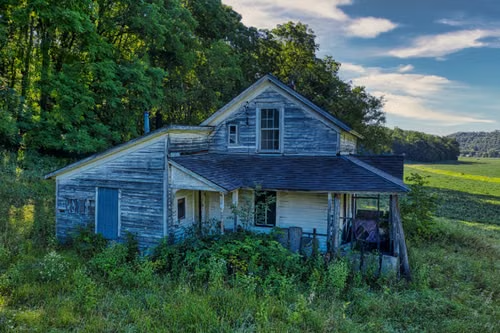
Leaving a Michigan house unused can seem harmless at first. Maybe you moved for work, inherited another property, or bought a new home and plan to decide what to do later. An empty house, however, does not stay frozen in time. Small maintenance issues can grow, utility bills can continue, and an unattended property can slowly lose its appeal.
Michigan weather can make the situation harder. Freezing temperatures, snow, heavy rain, and summer humidity can all put stress on a home. Even a property that was in good condition when you left can look different after months of sitting empty. Knowing the risks can help you decide whether keeping it still makes sense.
Small Problems Can Grow While Nobody Is There
An occupied home gives you chances to spot trouble. You notice a dripping faucet, strange smell, cracked window, or furnace problem. With a vacant house, those warning signs may go unnoticed for weeks or months.
A small plumbing leak can damage floors and walls. A faulty furnace can become a serious concern during a Michigan cold spell. A broken window can allow moisture inside and create an opening for pests. Time and a lack of attention can turn minor issues into expensive repairs.
Michigan Weather Does Not Wait
Seasonal weather is a major concern for an empty property. During winter, freezing temperatures can affect pipes, heating systems, roofs, and exterior surfaces.
Spring brings rain and changing temperatures, while summer can expose problems with roofs, gutters, landscaping, and air conditioning. A vacant house needs year-round attention.
| Area to check | What can go wrong |
| Plumbing | Frozen or leaking pipes |
| Roof and gutters | Leaks and water damage |
| Heating | System failure during cold weather |
| Yard | Overgrowth and drainage issues |
| Windows and doors | Moisture, drafts, or security problems |
An Empty House Still Has Bills
Vacant does not mean free. You may still pay property taxes, insurance, utilities, lawn care, snow removal, and routine maintenance. Those costs can continue without producing income.
Calculate the yearly carrying cost instead of looking at each bill separately.
Security Can Become a Bigger Concern
An empty property can attract unwanted attention. Overgrown grass, piled-up mail, dark windows, or visible signs that nobody lives there may make a house appear neglected. Vacant homes can also become targets for trespassing, theft, or vandalism.
Keep the exterior maintained, collect mail, secure doors and windows, and arrange regular property checks.
When Selling Starts to Look Practical
If an unused home keeps creating expenses and maintenance tasks, selling may deserve consideration. You do not always need to complete a major renovation before exploring your options.
For homeowners exploring a direct sale, We Buy Houses Detroit can be one option to research when comparing ways to sell a Michigan property. Review the offer, costs, timeline, and terms before accepting any offer.
If the property has rental potential or a clear future purpose, keeping it may still make sense. Compare the cost of holding it with the value it provides.
What Is Your House Really Costing You?
Before buying or selling, decide what to do; look beyond the home’s estimated market value. Ask how much you spend to keep it, what work it needs, and how long you realistically plan to hold it.
| Question | Why it matters |
| What are monthly carrying costs? | Shows the ongoing financial burden |
| What repairs are needed now? | Helps estimate near-term spending |
| Could repairs increase the sale price? | Prevents unnecessary spending |
| How often can you check the property? | Reveals management challenges |
| What is your long-term plan? | Helps avoid keeping the house by default |
Sometimes the hardest part is deciding what to do with a property that no longer fits your plans.
A Practical Plan for an Unused Property
An unused house should not be treated as a problem that can wait forever. Set a review date, inspect the property regularly, track its expenses, and estimate upcoming repairs. Then compare those numbers with what you could gain by renting, renovating, or selling.
A clear plan can prevent an empty property from becoming a larger burden. Make the choice based on actual costs and conditions.
A Few Questions Homeowners Ask
How long can a Michigan house sit vacant?
There is no single ideal period. The longer a house remains empty, the more important regular inspections, maintenance, security, and weather preparation become. Insurance requirements may also change depending on vacancy status.
Does an empty house lose value?
It can. Lack of maintenance, visible neglect, damage, and outdated systems may affect buyer interest and the amount buyers are willing to offer. Vacancy itself is not always a direct cause of value loss, yet problems that develop during vacancy can matter.
Should I turn off utilities in an unused house?
Not always. In Michigan, shutting off heat during freezing weather can create serious plumbing risks. Consider the season, property condition, insurance requirements, and advice from qualified local professionals before changing utilities.
Can I sell an unused Michigan house without fixing everything first?
In some cases, yes. Selling as-is can be an option for owners who do not want to spend months managing repairs or preparing a vacant property for a traditional listing. Companies such as Speedy Sale Home Buyers may purchase houses in their current condition, allowing owners to explore a simpler selling process. Compare expected sale proceeds with repair costs, holding expenses, and your preferred timeline before choosing a route.