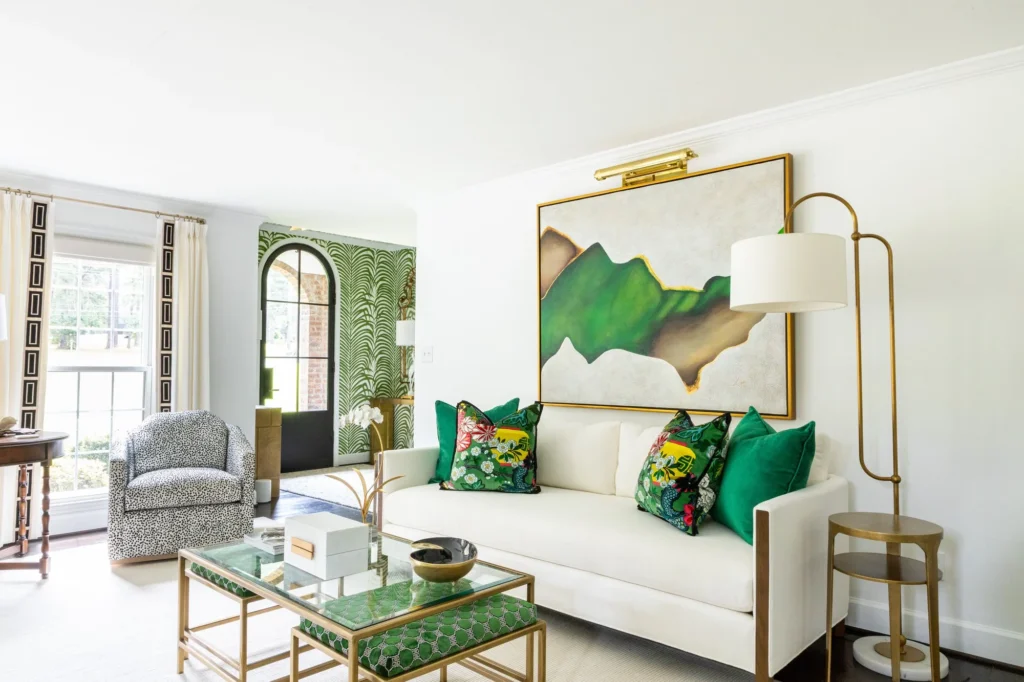
Why a beautiful home starts with knowing what matters most
Twenty saved photos can show you twenty rooms you like. They rarely tell you which choices belong in your own home. One has the right colors but too little storage. Another has lovely chairs that would block your doorway. You keep collecting ideas, yet the next step feels no clearer. That is often when an interior designer becomes useful. You need someone who can sort what you admire from what will serve you. Taste is part of that work, but listening matters just as much. Your home has limits, habits, and favorite things that deserve a place in the plan. A good design process makes those details easier to work with.
For residents comparing interior designers in Augusta, GA, Curtain Call offers a local starting point, with interior design services and a showroom on Davis Road. The business serves Augusta, Evans, Martinez, and the wider Central Savannah River Area (CSRA). Whether you rent or own, choosing support begins with clear questions about your space and spending priorities. This guide explores project scope, lighting, and the decisions that need your approval. It also considers what to expect from a residential interior designer when updating an existing home. A short list of questions gives your first meeting direction without requiring every answer in advance. You can then compare an interior design firm’s proposal and recognize gaps before work begins. The goal is a home that suits your daily life and a process you understand.
What your housing plans should tell a designer first
Local figures from the U.S. Census Bureau put the owner-occupied housing rate for Augusta-Richmond County (the consolidated city, not the full metro) at 50.8% for 2020–2024. In other words, roughly half of local households own their homes, and the rest rent. For your project, ownership and moving plans help shape sensible choices. Tell your designer whether you rent, own, or expect to move.
A rented home may call for pieces you can take elsewhere. Long-term ownership may make fitted storage or custom window treatments more useful. Neither situation means you need to spend across every room at once. Explain which spaces need attention now and which can wait. Ask your interior designer to separate lasting purchases from property-specific work. That distinction helps you judge value beyond how the room looks today.
- Share any lease limits before discussing changes to walls or fittings.
- Identify furniture you expect to keep through a future move.
- Set priorities around your plans instead of a fixed room-by-room package.
How to make lighting part of the plan before shopping
Information from ENERGY STAR states that LED products produce light up to 90% more efficiently than incandescent bulbs. Actual savings depend on the products replaced and hours of use. Energy use is one reason to review lighting during a room update. Placement, brightness, and glare also affect how comfortable the space feels. Ask for lighting choices that suit both your tasks and preferences.
Review where you read, prepare food, work, and relax after dark. A single ceiling fixture may leave shadows where you need useful light. Your residential interior designer can consider lamps alongside furniture and outlet positions. Check fabric and paint samples under the lighting you intend to use. Their appearance can shift between daylight and different electric light sources. Approve the room’s lighting approach before making final color decisions.
- Request separate light sources for tasks and general room use.
- Check dimmer compatibility before purchasing bulbs or new fixtures.
- Arrange qualified electrical help when the plan requires wiring changes.
Which three agreements keep your design project on track
An appealing proposal should explain how the work will move forward. You need to know what happens between approving ideas and receiving furniture. Settle these three agreements before placing orders or booking installation dates.
1. Define the service you are buying
Ask whether the fee covers advice, drawings, sourcing, or project coordination. An interior design firm may offer several levels of support. Confirm which tasks remain yours and which the team will handle.
2. Set the spending approval process
Agree on a total budget that includes fees, delivery, and installation. Request approval before purchases or paid changes go ahead. Ask how deposits, markups, returns, and cancellation charges will be explained.
3. Decide how updates will reach you
Choose a clear channel for questions, progress notes, and approvals. Ask who will contact you if stock or delivery dates change. Keep decisions in writing so everyone works from the same information.
Clear agreements give creative work a practical structure you can follow. They also make it easier to spot changes before costs grow. A useful proposal leaves you knowing your role throughout the project.
Why a portfolio needs a conversation behind every photo
Look beyond whether a designer’s finished rooms match your favorite style. Ask what the client needed and which limits shaped each project. The answers reveal more about their approach than a polished image alone. Find out how they work with pieces clients already own. Discuss how they respond when someone dislikes a proposed color or layout. Your comfort with that conversation matters when choosing an interior designer.
Request examples of projects close to yours in scale and scope. A whole-home renovation involves different demands from furnishing one living room. Ask how measurements, samples, delivery checks, and final details are handled. Confirm whether an in-home visit is part of the proposed service. Use the meeting to assess how clearly the designer explains choices. Good communication makes it easier to raise concerns before they become expensive.
- Ask what changed between the first proposal and the completed room.
- Discuss how your daily routines would influence the design.
- Choose someone who welcomes questions and explains the reasons behind recommendations.
How to turn your design questions into a useful first step
You do not need a finished vision before asking for design help. Start with what feels awkward, what you value, and what you can spend. The right partnership turns that information into choices you can assess with confidence. A few room photos and a short wish list can open the conversation, whether you are settling into a rental or updating a longtime home. When you are ready, book an in-home consultation with a local team such as Curtain Call, which has served the CSRA since 1996, and bring your hardest question. That gives the meeting a practical starting point rooted in how you want to live.