Why the best rooms start with the way you move through them
A room can look expensive and still make you feel out of place. You notice it when you perch on a stiff chair or hunt for a light switch. The rug looks right, yet you catch its edge as you leave. These small moments tell you more than a staged photo ever could. You want a home that welcomes you, holds what you love, and makes daily life feel less rushed. Luxury residential interior design starts with that wish. It asks how you live before it asks which shade you like. When you get that order right, good looks have a clear purpose. You get rooms that feel calm, work well, and leave room for your personal tastes to grow over time.
That ease can slip away when choices pile up. You may love a fabric but doubt you can care for it. You might choose a large table before you check the space around it. A clear plan helps you weigh those choices as parts of one home. Room flow, comfortable seating, and finishes that suit your habits all shape how a space feels. The design brief brings those needs together before you start buying. It gives you a way to judge whether a piece belongs in your home, beyond how it looks in a showroom. The real test comes later, when you reach for a lamp, open a drawer, or sit down at the end of a long day. Those ordinary moments reveal whether the design works for you.
How to plan rooms that make daily life feel more at ease
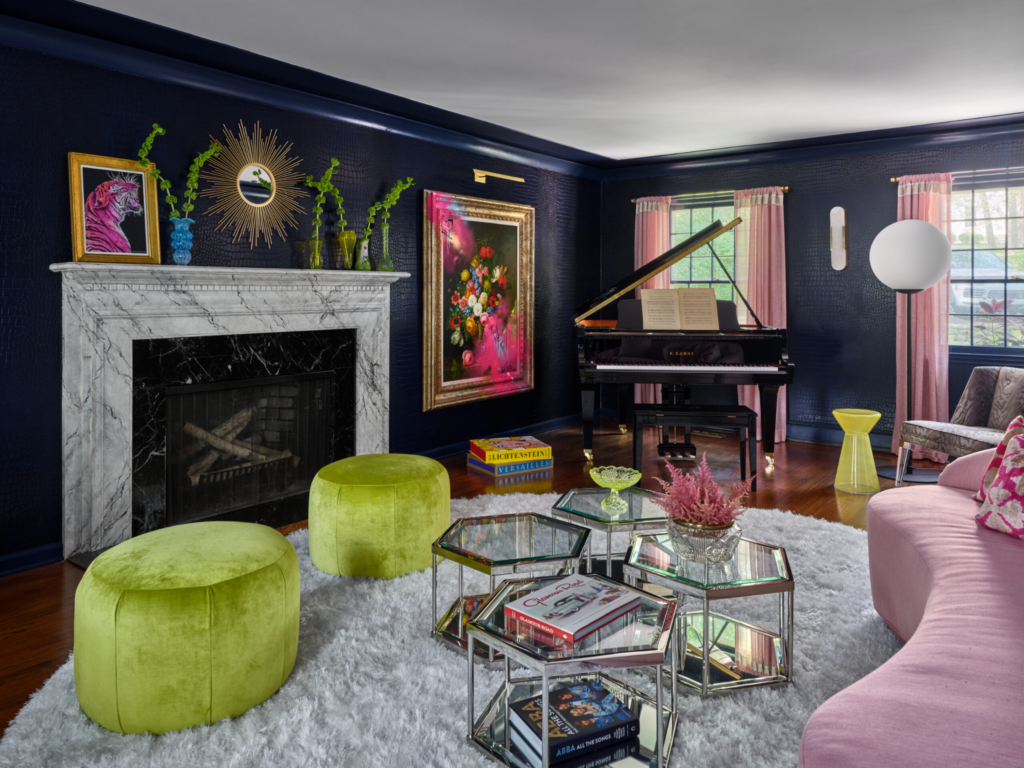
Start with what you need each room to do. Trace the routes between doors, seats, storage, and windows. Check where those routes narrow when chairs pull out or doors swing. You should be able to move through a room without thinking about it. Set the room layout before you choose the largest pieces. This gives each purchase a job and a place to fit. Keep those priorities close as you weigh colors, fabrics, and finishes.
Let your daily habits shape the brief you share with a designer. Note where you read, rest, eat, and put things down. Think about your favorite seat, how your mornings unfold, and what bothers you about the current layout. Then rank those needs so the room has a clear purpose. When you compare residential interior design services, ask how the proposed layout will support those habits. A strong proposal should explain why each piece sits where it does. High-end residential interior design works best when comfort shapes the look. Leave enough open space for the room to breathe. Use this short list to check the plan before you approve it.
- Leave clear paths around the seats you use each day.
- Place lights where you need them, with switches you can reach from the bed or sofa, just as a good hotel suite does.
- Plan storage near where each item is used.
- Check furniture sizes against a measured plan before placing orders.
What to ask before you choose a home interior design firm
Before you choose a firm, look for a portfolio that shows a range of homes and styles. Ask how the team learns about your routines and who your day-to-day contact would be. Those answers help you judge whether a firm’s approach suits you. Then ask what “full-service” means for your project. A full-service team can oversee many parts of the work, so check which tasks your fee covers before you commit.
1. Set the scope in writing
List the rooms, drawings, purchases, and site visits in your agreement. Ask who verifies measurements and signs off on key choices. Clear roles help you know who’s in charge.
2. Map the true cost
Ask the firm to separate fees from purchases. Include freight, receiving and storage, installation, and tax in the cost plan. Build in a contingency for changes, with rules for how you approve them.
3. Agree on how updates work
Choose one place to track choices, dates, costs, and open questions. Ask how delays or damaged goods will affect the next steps. Know who follows up and when to expect news.
Read the terms for changes, returns, and made-to-order goods. Ask how the team will handle the final checks and handover. A shared plan gives you a sound basis for each decision.
Why the details you touch deserve more care and thought
Touch the samples before you choose a finish for your home. View them in daylight and under the lamps you will use. Ask how each surface wears, cleans, and responds to spills. A finish can look rich yet need more care than you want. Choose what suits your habits and your taste. The best choice should still please you when daily life leaves marks.
Spend first on pieces you touch and use the most. Check seat comfort, drawer movement, door hardware, and how it feels underfoot. Let a few well-made pieces give the room its strength. You do not need each surface to compete for your gaze. Leave space for art and objects that mean something to you. Review these last details while you still have time to make changes.
- Test seats for comfort before you commit to a purchase.
- Keep care guides on file so you know which cleaning products are safe to use.
- Match bulb color temperatures within each room so the light stays consistent.
- Review the finished room against the scope you agreed on at the start.
Taking the first step toward a home that fits
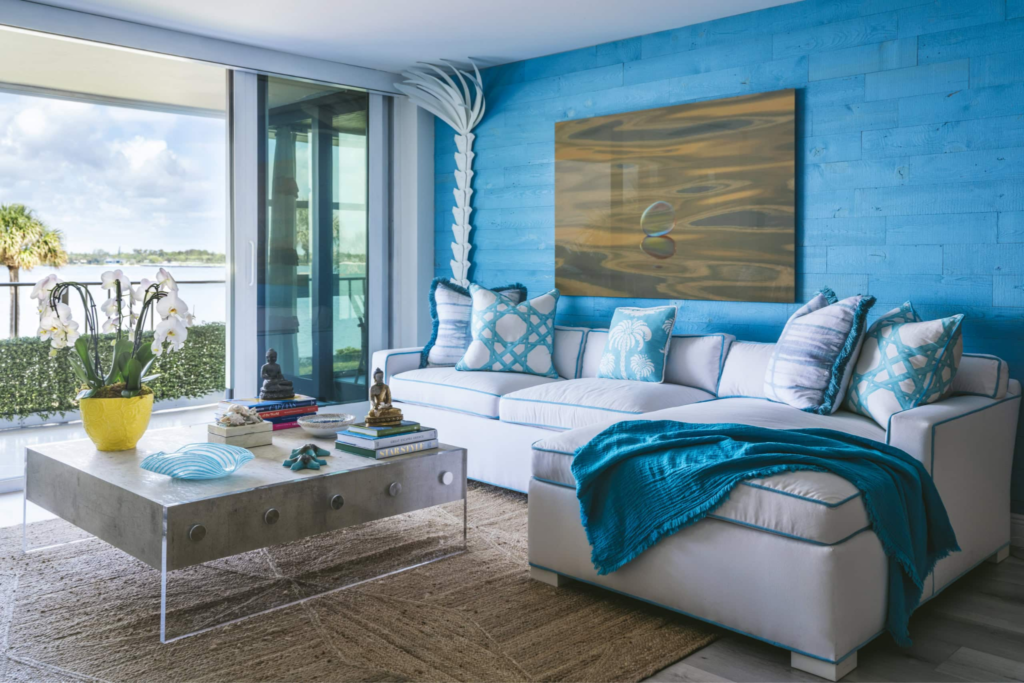
You get more from a home when its design serves daily life. Good flow, comfortable furniture, and finishes you can care for give you a useful starting point. You do not need every choice settled before you speak with a designer, but it helps to know which problems matter most. Before your first consultation, gather room measurements, a working budget, and a short list of what frustrates you now and what you want to keep. Include any pieces you love and any daily routines your rooms need to support. Those notes will shape the conversation more than any mood board.