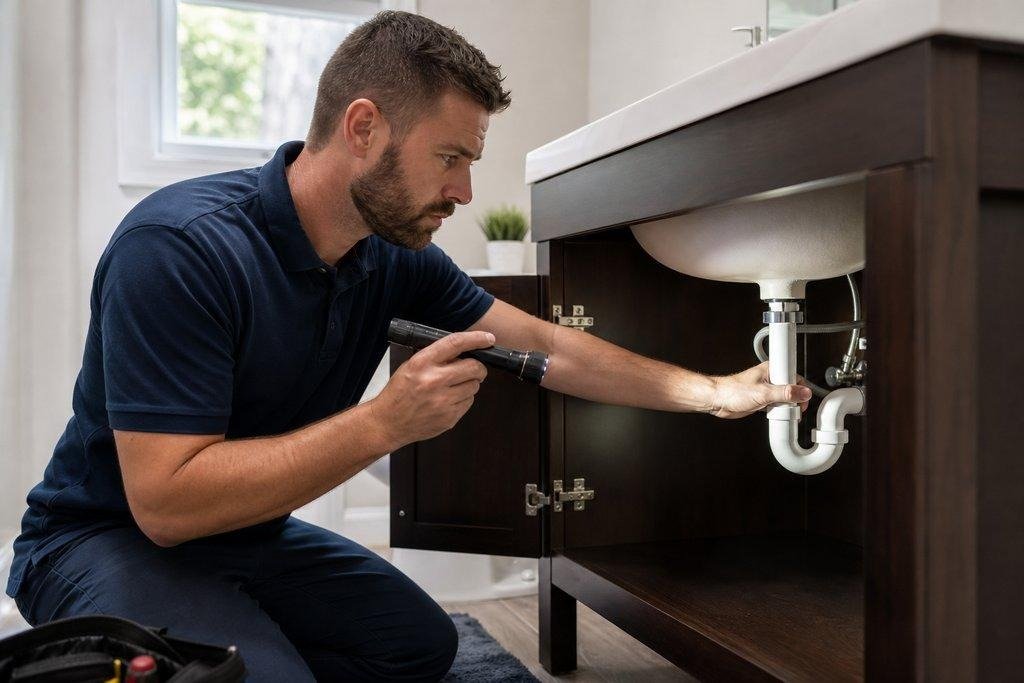
In most instances, a small problem doesn’t pose as a threat and there’s nothing to worry about. You may even be able to fix it yourself. But there are circumstances in which you should call for immediate assistance.
Signs It Has Become an Emergency
A bathroom plumbing emergency could include:
- Water that continues to leak from fixtures
- A toilet that will not flush without overflowing
- Sewage coming up in your sink, bathtub, shower or floor drains
- A broken pipe
- Loss of water to your home
If this includes your bathroom, a call should be made immediately. There are other scenarios, too, that could prove an emergency:
- If multiple drains back up, or if the water backs up around an electrical outlet, electrical panel or appliance
- If the smell is accompanied by gurgling sounds, then it’s a sign that the drain is clogged. This means it’s likely clogged somewhere deeper in the line, as opposed to being clogged with hair or soap buildup. In this case, if you flush the toilet, the drains in your bathroom could start to back up. It’s also possible that water will come gushing out of the drains into your home.
- If your water level does not lower after 15 minutes or is continuing to rise, then it’s an emergency.
Once you’ve decided that it’s time to call for help, here are things you should consider to limit the problem and the damage it could cause to your home.
Containing Water at the Source
Shut off the water
This is the best thing you can do to contain the problem. Shut off the water supply to your toilet, sink or any fixture that is leaking.
If that doesn’t seem to help, then it could be an issue with your main supply line. In this case, find the main water shut off for your home and shut that off.
Keeping People and Belongings Safe
Protect belongings from damage
If you have rugs, towels or other items in the wet area, move them.
Keep children and pets away from standing water
Standing water can harbor germs and diseases that can make them sick.
Try not to use any other bathroom fixtures or drains
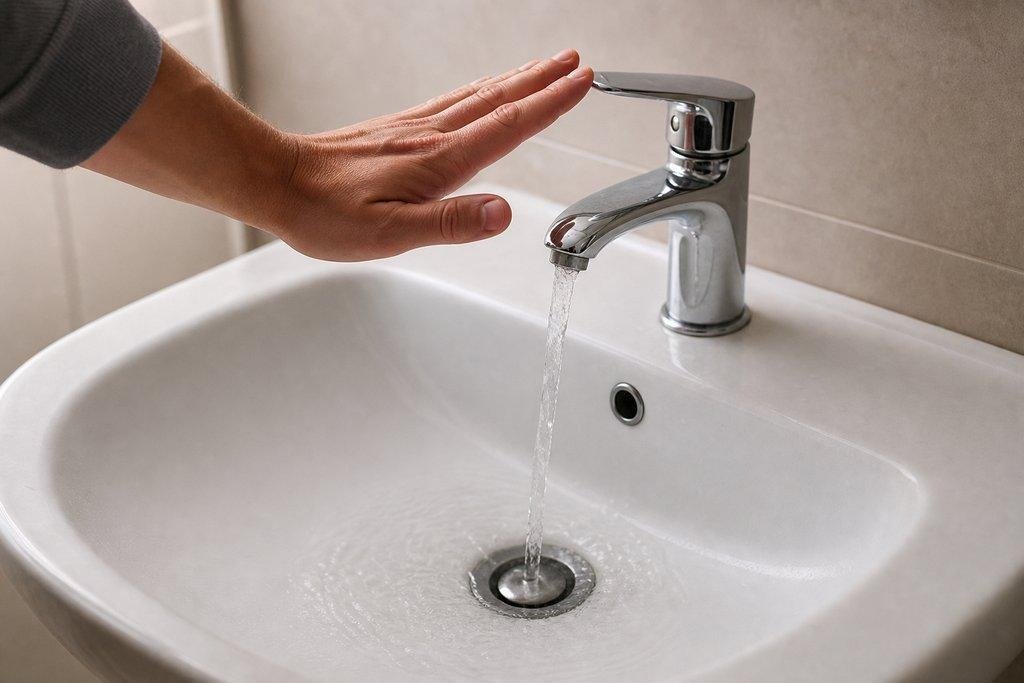
If the drain is already backed up and you use another drain, then the sewer could back up into your home, especially through the lowest drain. It’s important to refrain from running water into a clogged drain and especially not to attempt to clean a clogged drain (bookmark https://www.cnet.com/home if you want the longer version) with a chemical drain cleaner, as it can create an unsafe situation in your home and could make the problem worse. Do NOT attempt to use a plunger. In this situation, it will likely result in a big, messy mess.
What Should You Tell the Plumber?
Let them know what the problem is. Whether its clean water leaking from your toilet or dirty water leaking from your drains, the Houston Texas emergency plumbing help will need to know. They’ll also need to know if you’ve shut off your main water line to your home. Whether it just started or if there were any other problems with other fixtures, the plumber will need to know.
Do they hear a running sound or a banging sound? Is there any electrical nearby that may be at risk? Are there more than one fixture that is affected? Is the problem getting worse? Is it spreading to other areas? All of these questions will help the plumber to know what to expect when they arrive and be able to better serve you.
While waiting for your plumber: Take pictures or videos of the situation, if it’s safe to do so. You might need this evidence of the severity of the damage for your landlord or insurance company. If anything has come into contact with the sewage, DO NOT touch the items without gloves, and do not allow these items to come into contact with bare skin and keep them away from your laundry until you can sanitize them or get rid of them. Open any necessary gates to gain access to your property. Clear the path to the bathroom. Know where your water shut-off valve is.
Do not touch sagging drywall or light fixtures overhead, though you can safely use a container to catch water dripping from the ceiling, if appropriate.
When the plumber arrives, be sure to mention any water stains or wet spots in all rooms under the upstairs bathroom.
Checking the Area After Repairs
After everything is corrected, be sure to clean up and thoroughly dry any areas and objects that have gotten wet. It’s a good idea to remove anything that appears damp from under cabinets or from the walls and check these places for water damage. You should test out your sink, tub, shower or toilet to ensure that it drains properly, but use it slowly and stand by and observe. Once you’re satisfied that the problem has been corrected and all of your drains are flowing freely, you can continue with your daily use.