Summer heat waves are growing more intense, transforming homes into stifling spaces that challenge both comfort and well-being. For homeowners who value sustainable design and thoughtful living, the solution lies in a coordinated approach. Creating a cool, healthy sanctuary during extreme heat requires expertise from diverse professionals who understand how climate control, building science and outdoor environments work together to form a resilient home.
- Starting With a Core Climate Control System
According to the U.S. Centers for Disease Control and Prevention, over 700 Americans die from heat-related causes annually, making reliable temperature management essential during heat waves. Staying indoors where quality air conditioning is available remains one of the most effective protective measures, particularly for vulnerable family members, such as children and older adults, who face heightened risks during prolonged heat exposure.
Ingram’s Water & Air Equipment specializes in ductless split systems that can be configured for up to six zones, providing flexibility that conventional forced-air installations cannot match. Its products deliver customizable temperature control that adapts to how different spaces are actually used, whether lowering bedroom temperatures at night or maintaining consistency in home offices during the day.
Homeowners can purchase energy-efficient air conditioners online and have them delivered directly. The investment supports both health during extreme weather and long-term savings that cut operating expenses year after year.
- Reinforcing the Home’s Thermal Envelope
The thermal envelope describes the barrier between indoor and outdoor environments. When insulation fails, invisible leaks drive up bills while undermining livability, a problem that particularly affects older homes built under less stringent standards.
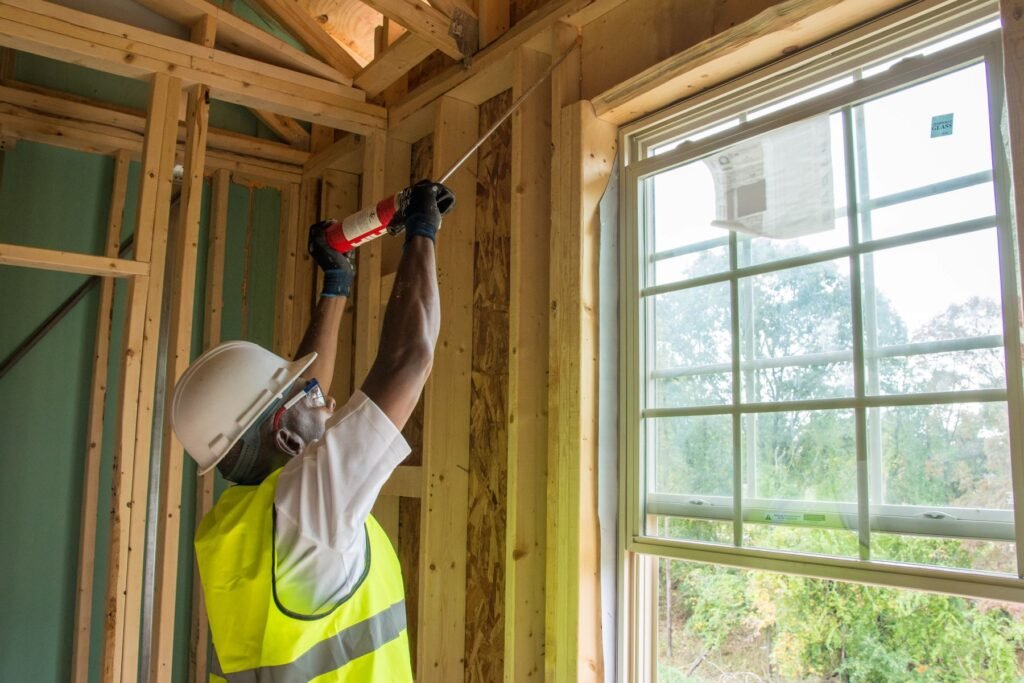
Professional insulation installers like TruTeam offer sustainable solutions that align with both environmental values and practical performance goals. Its wood fiber insulation is made from FSC-certified softwood chips left over from lumber production, exemplifying this balance. Refined into loose fiber and blended with borate, the material resists flames, mold and mildew growth while maintaining its carbon-negative profile.
Better insulation means cooling equipment works less aggressively to maintain comfortable temperatures, extending equipment life while lowering utility expenses over the years.
- Upgrading Windows and Doors to Seal the Interior
Windows and doors are among the most vulnerable points in a residence’s defense against seasonal heat, particularly in older construction, where single-pane glass allows radiant heat to flood interior spaces despite improved insulation.
Rooms that face direct sun during peak hours benefit significantly from keeping the curtains drawn, which substantially reduces solar gain. Opening windows only at night, when outdoor temperatures drop, improves ventilation without introducing hot air.
Modern window glazing from Pella transforms how residences respond to seasonal heat. Its products can reduce utility costs by 13%, while the 250 Series Triple-Pane Windows perform 62% more efficiently than single-pane alternatives on average. This combination of immediate savings and lasting value makes window replacement a cornerstone investment for serious heat management.
- Automating and Integrating Cooling Systems
Smart technology optimizes how physical upgrades work together, ensuring cooling happens precisely when and where needed rather than running on guesswork or forgotten adjustments.
An ENERGY STAR-certified thermostat can save $100 annually in residences that remain unoccupied much of the day, while households with more consistent presence see savings of around $50 per year. These reductions compound over time while delivering superior comfort.
Companies like Brilliant Tech unite various smart devices into a single control platform, enabling these technologies to work together more effectively. Touch and voice controls adjust temperatures through compatible thermostats, while automated shades can be programmed to block rays during afternoon heat and maximize natural light during cooler hours. The platform even learns household patterns and adjusts automatically to optimize both comfort and efficiency.
- Cultivating a Cooler Exterior Through Landscaping
While interior installations receive most attention in cooling strategies, strategic landscaping reduces the amount of direct sunlight that reaches exterior walls and roofs, lowering the thermal load that indoor equipment must address.
Landscape architects like Mainscape design outdoor spaces that deliver both aesthetic appeal and functional cooling benefits through custom programs tailored to each property’s unique conditions. CEO Mark Forsythe especially emphasizes state-of-the-art robotics and the elimination of carbon emissions from mowing operations as key priorities.
The company is also committed to water stewardship, performing routine inspections and repairs to keep irrigation systems operating at peak efficiency and uniformity across planted areas. Research conducted by Mainscape further demonstrates that its water management program can reduce consumption by up to 60%, maintaining lush, cooling vegetation while addressing a precious natural resource.
Maintaining Peak Performance Through the Season
The most sophisticated cooling infrastructure requires ongoing attention to deliver sustained results throughout warmer months. Simple maintenance practices prevent efficiency losses and catch problems early. Essential maintenance tasks include:
- Monthly filter changes: Changing air filters during peak usage prevents systems from working harder than necessary and maintains optimal airflow.
- Pre-season professional servicing: Scheduling maintenance before hot weather begins catches potential issues before they become costly failures.
- Energy bill monitoring: Watching for unexpected spikes signals efficiency problems that need immediate attention.
Behavioral adjustments complement physical upgrades. Programming thermostats to rise by a few degrees when the residence is unoccupied prevents unnecessary cycling. Ceiling fans create wind-chill effects, allowing thermostats to be set higher while maintaining comfort.
Running heat-generating appliances like ovens and dryers during cooler evening hours rather than peak afternoon temperatures reduces the burden on cooling equipment and extends the benefits of every upgrade.
Protecting Health During Extreme Heat Events
Even with comprehensive cooling systems in place, awareness of heat-related illness remains essential for vulnerable household members. According to Mayo Clinic, recognizing early warning signs allows for quick intervention. Heat exhaustion symptoms require immediate attention:
- Heavy sweating and weakness: The body struggles to regulate temperature effectively.
- Cold, clammy skin: Blood flow redirects away from the skin surface.
- Nausea and dizziness: Dehydration affects normal body function.
Moving to a cooler environment, loosening clothing and sipping water slowly addresses these symptoms, while heat stroke, marked by hot, dry skin, rapid pulse and confusion, requires immediate medical attention.
Hydration also becomes particularly important during extended heat waves. Drinking water regularly throughout the day rather than waiting for thirst helps maintain proper function, while avoiding alcohol and caffeine prevents additional dehydration.
Achieving a Holistic Approach to Summer Comfort
Creating a cool, healthy residence during intense heat requires collaboration among diverse experts who each contribute essential capabilities. From purchasing energy-efficient air conditioners online to optimizing landscapes that naturally reduce thermal stress, every element reinforces the others. This integrated strategy transforms the season from one of discomfort into an opportunity for sustainable, beautiful living.