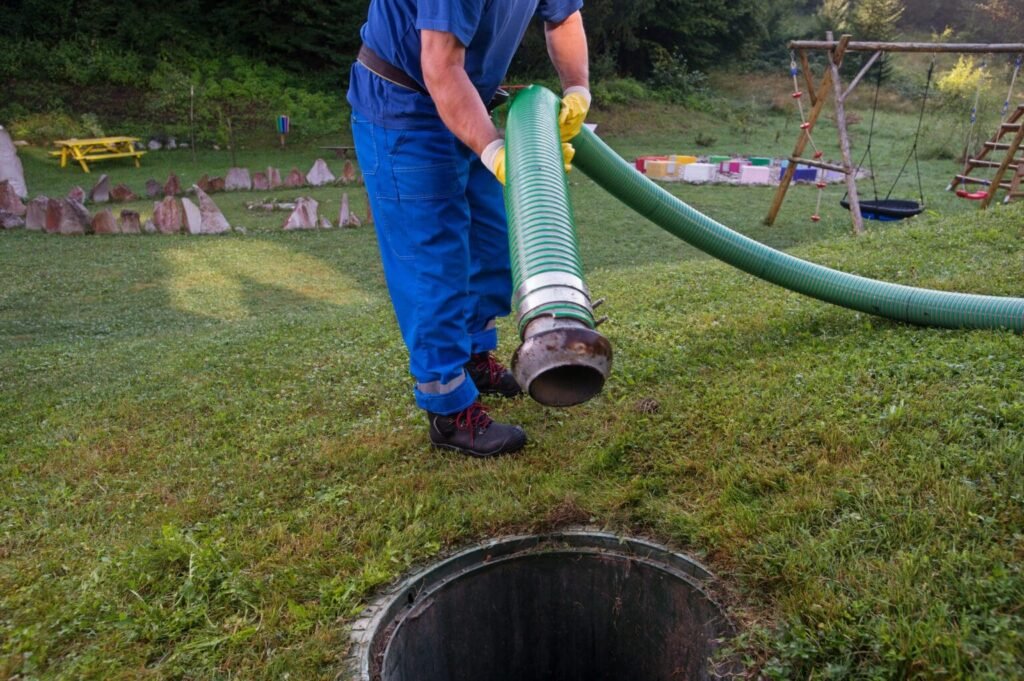
Every homeowner has that one chore they know they should do but never quite get around to. For some, it’s cleaning the gutters. For others, it’s changing the furnace filter. But the task that tops the “forgotten” list for most people is preventative drain maintenance, and it’s also the one with the steepest price tag when it gets ignored.
There’s a simple reason drains and septic systems slip our minds. They’re hidden. Your water heater sits in the basement where you walk past it every day. Your drains, and in many homes the septic tank itself, are underground or behind walls. When something works fine, the human brain files it under “handled” and moves on. Unfortunately, plumbing doesn’t reward that kind of thinking. It punishes it, usually at the worst possible moment.
Why We Forget (And Why That’s a Problem)
Think about how often you actually think about your plumbing. If you’re like most people, the answer is only when something goes wrong. The toilet gurgles. The shower drains slowly. A smell creeps up from the basement. That’s when the panic sets in and the phone comes out.
The problem is that by the time you notice those symptoms, the underlying issue has usually been developing for months or even years. Grease has been building up in the pipe walls. Solids have been accumulating in the septic tank. Tree roots have been quietly working their way into joints and cracks. None of this announces itself early. It just quietly gets worse until one day it can’t be ignored anymore.
Maintenance exists to interrupt that slow decline before it becomes a disaster. It’s the difference between a planned service call on a Tuesday afternoon and a sewage backup in your basement on Thanksgiving morning.
What Skipping Maintenance Actually Costs
Let’s talk numbers, because “it’s expensive” doesn’t really land until you see the figures side by side.
A routine septic tank pumping typically runs a few hundred dollars, and for most households it only needs to happen every two to four years. Spread that cost out over the years between service visits and it’s barely a rounding error in a family budget.
Now consider the alternative. A neglected septic tank that overflows or backs up into your home can mean several thousand dollars in emergency pumping, drain cleaning, and cleanup. If the backup damages flooring, drywall, or stored belongings in a basement, remediation costs climb fast. And if the drain field fails entirely because the system was ignored for too long, you’re looking at a replacement bill that can easily run into the five-figure range. In some cases, a failed system means excavating part of your yard, replacing soil, and reinstalling lines, which is a project measured in weeks, not hours.
The math is not subtle. A few hundred dollars every few years versus ten thousand dollars all at once, plus the stress, the mess, and the time off work to deal with it. Prevention is one of the few areas of homeownership where the cheap option and the smart option are the same thing.
The Hidden Damage Nobody Talks About
Cost is only part of the story. There are consequences of neglected drains that don’t show up on an invoice but still hurt.
Health risks are the big one. When a septic system backs up, the water coming into your home isn’t just unpleasant, it’s unsanitary. Wastewater carries bacteria and pathogens that can contaminate surfaces and create genuine health concerns, especially for kids, pets, and anyone with a compromised immune system.
There’s also the environmental angle. A failing system doesn’t always back up into the house. Sometimes it leaches into the yard, and from there into groundwater, nearby wells, or a creek behind the property. Many municipalities can fine homeowners for systems that are contaminating the surrounding area, which adds legal fees and penalties on top of repair costs.
And finally, there’s resale value. If you ever put your house on the market, a documented history of regular maintenance is a selling point, while a system with no records invites low offers and nervous buyers. Home inspectors absolutely look at this stuff.
Simple Habits That Count as Maintenance
Here’s the good news. A large share of preventative care doesn’t require a professional at all. It’s just everyday habits that keep solids, grease, and debris out of your system in the first place.
Watch what goes down the kitchen drain. Grease is the number one offender. It goes in as a liquid, cools inside the pipe, and hardens into a wax-like plug that catches everything passing behind it. Coffee grounds are a close second. Both belong in the trash, not the drain.
Be honest about what you flush. Toilet paper and human waste, full stop. Even products labeled “flushable” often don’t break down the way manufacturers claim, and they’re a leading cause of clogs in both septic systems and municipal sewer lines.
Skip the chemical drain cleaners. It’s tempting to dump a bottle of caustic cleaner into a slow drain and hope for the best. Those chemicals can corrode pipes over time, and in a septic system they kill the beneficial bacteria that break down waste. Boiling water or a basic drain snake handles most slow drains without the collateral damage.
Spread out your water use. Doing five loads of laundry back to back floods the system with more water than it can process at once. Spacing it out gives everything time to drain properly. The same logic applies to long showers and running the dishwasher while the washing machine is going.
Mind your landscaping. Tree roots are relentless. They seek out the moisture around drain lines and can crush or clog a pipe over time. Keep deep-rooted trees and shrubs well away from your drainage areas, and if you’re planting anything near the system, stick to shallow-rooted grasses and ground cover.
Keep records. Write down the date of every pumping, inspection, and repair. Not only does this help you stay on schedule, it’s gold if you ever sell the home.
When to Call a Professional
Household habits cover a lot of ground, but they can’t do everything. Septic tanks need periodic pumping by a certified professional, generally every three years for a standard tank, and more often for older systems or high-usage households. Inspections matter too, since a trained eye can spot small issues, like a cracked line or a worn effluent filter, long before they become emergencies.
The best approach is to put maintenance on autopilot. Many service companies offer reminder programs or scheduled maintenance plans, so instead of relying on your memory (which, let’s be honest, has already failed you on this front), you get a call or a notice when it’s time. Some homeowners set a recurring phone reminder. Others write the next service date on a physical calendar the day after a pumping. The method matters less than the fact that it happens.
The Bottom Line
Drain and septic maintenance is the definition of an unglamorous chore. There’s no satisfaction in crossing it off a weekend list, no visible result, and no immediate reward. That’s exactly why it gets skipped, and exactly why the companies that clean up the aftermath stay busy year after year.
But the homeowners who treat maintenance as a scheduled, non-negotiable part of owning a home spend less, stress less, and face far fewer ugly surprises. A few hundred dollars and an hour of your time every few years is a small price to pay to avoid a flooded basement and a five-figure repair bill.
So if you can’t remember the last time your system was serviced, consider that your sign. Don’t wait for the gurgle, the smell, or the slow drain to make the decision for you. Your future self, standing in a dry basement on a holiday morning, will thank you.