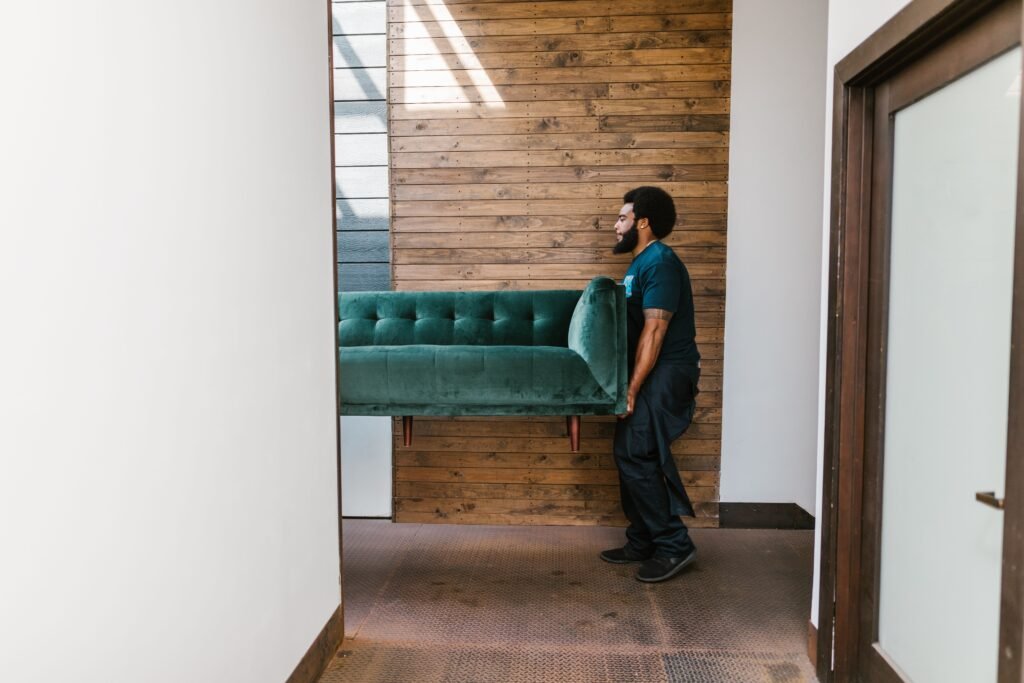
Moving heavy furniture can be challenging, especially when you’re loading it onto a truck or trailer and unloading it. A loading ramp makes the process easier by providing a sloped path to move furniture from the ground to the vehicle or vice versa. However, ramps must be used correctly to prevent injuries, damaged furniture, and accidents. Understanding a few basic safety practices can help make your moving day smoother and safer.
When you’re planning a move, you may wonder, do you need a trailer with a ramp to transport heavy furniture. The answer depends on the type of vehicle you’re using, the size of your furniture, and how much help you may or may not have. Whether you use a truck with a built-in ramp or a separate loading ramp, choosing the right equipment and following proper safety procedures can reduce the risks that come with loading and unloading.
1) Choose the Right Ramp
Not all loading ramps are designed to handle the same weight or types of equipment. Before using one, check its weight capacity, and make sure it can safely support the furniture and any moving equipment and people involved. The ramp should also be long enough to create a manageable incline. A ramp that’s too steep can make heavy items difficult to control. That increases the risk of slips and tipping.
2) Inspect the Ramp Before Use
Always examine the ramp for damage before use. Look for cracks, bent sections, loose fasteners, and other signs of trouble. Check that the ramp is properly secured to the vehicle, and be sure it rests firmly on the ground. Never use a damaged or unstable ramp, even if the furniture seems light enough to move across it.
3) Clear Your Path
A cluttered walkway can create unnecessary hazards when you’re moving heavy furniture. Remove loose objects, tools, packaging materials, and other obstacles from the area surrounding the ramp as well as the ramp itself. Make sure the ground is reasonably level and free of slippery substances. Keeping the pathway clear gives everyone involved more room to maneuver and reduces the likelihood of tripping while handling bulky items.
4) Use Proper Lifting Techniques
Lifting heavy furniture incorrectly can strain your back, shoulders, and other muscles, so be sure to use proper lifting techniques. Bend at your hips and knees, keep the load close to your body, and avoid twisting while lifting. Whenever possible, use furniture dollies, lifting straps, or other appropriate moving equipment to reduce physical strain. Ask for help with oversized or unusually heavy items rather than attempting to move them alone.
5) Secure Furniture Before Moving It
Loose furniture can shift unexpectedly while it’s traveling up or down a ramp. Remove detachable components, such as shelves, drawers, and mirrors, and secure doors that might swing open. Cover surfaces with protective materials to prevent scratches. Keep the load balanced, and make sure it can be controlled throughout the moving process. Never let go of furniture while it’s on a ramp.
6) Wear Appropriate Footwear and Clothing
Proper footwear provides stability when you’re moving heavy items, and it can help protect your feet. Choose closed-toe shoes with slip-resistant soles. Avoid shoes that leave your toes exposed and loose footwear that could catch on the ramp. Wear gloves that improve your grip without compromising control. Clothing should fit comfortably without loose sleeves or dangling accessories that might get caught on something.
7) Work as a Team
Moving large furniture often requires more than one person. Before starting, agree on who will guide the load, who will push or pull, and when everyone should stop. Move slowly and communicate clearly, especially when visibility is limited. Keep hands and feet away from pinch points, and never position yourself directly downhill from an unsecured item that could slide toward you.
Make Safety a Priority When Moving Furniture
A loading ramp can simplify the process of moving heavy furniture, but safety depends on preparation, proper equipment, and careful handling. Inspect the ramp, secure the load, maintain a clear pathway, and ask for help when necessary. Taking these precautions makes moving furniture both safer and more efficient.