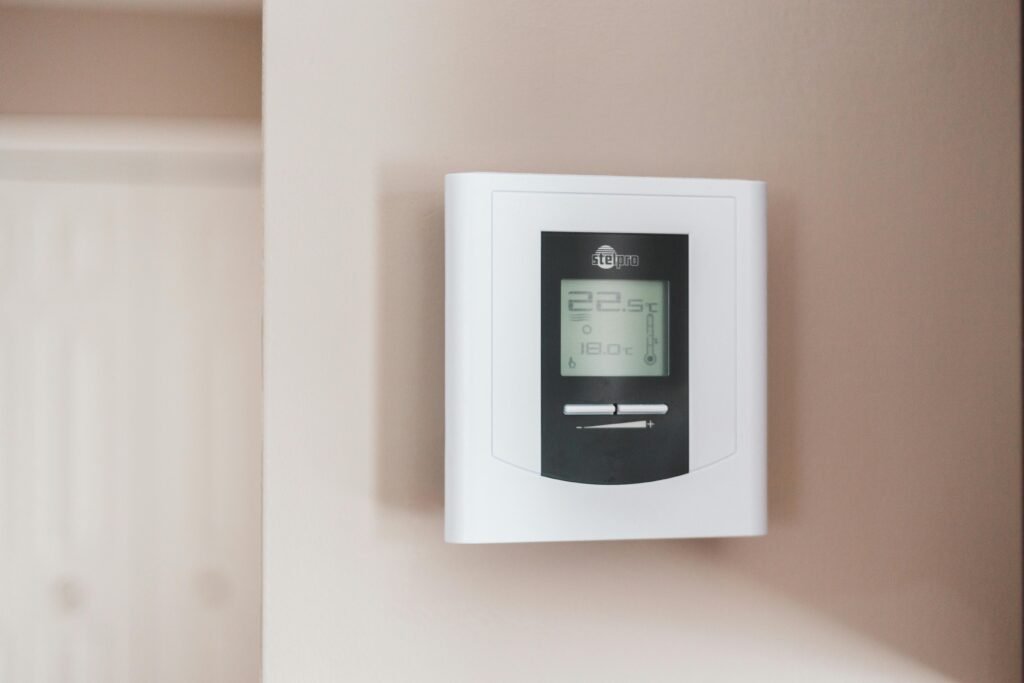
Heating used to be an afterthought in home design. You picked a boiler, a contractor fitted it, and that was the end of the conversation. That has changed. Today, the choice of heating system shapes floor plans, material selections and even the look of living spaces.
Why Energy Efficiency Matters in Home Planning
Energy bills keep climbing, and homeowners feel the pinch every winter. A property with solid insulation and an efficient heating system simply costs less to run, month after month. But money is only part of the picture. Buyers now check energy performance certificates before they book a viewing, and a poor rating can knock thousands off a sale price.
This growing awareness has opened the door for manufacturers who build cleaner technology. Fenagy A/S is one example. The company develops heating and cooling systems that run entirely on natural refrigerants like CO₂ and hydrocarbons, substances free of harmful fluorinated compounds and with a negligible effect on the climate. That kind of transparency around materials and environmental impact resonates with a generation of buyers who read the fine print.
Architects have picked up on the shift too. Heating infrastructure is no longer squeezed into a utility cupboard at the last minute. It features in design discussions from day one, and the results speak for themselves.
Greener Heating and Cooling Systems on the Rise
Across Europe, fossil fuel boilers are losing ground. The Energy Saving Trust notes that heat pumps suit nearly every type of home and can cut a household’s carbon footprint significantly when compared with gas or oil alternatives. In the UK alone, 51,886 retrofit heat pump installations were recorded in 2025, more than four and a half times the figure from five years earlier. Numbers like that point to a genuine shift rather than a passing trend.
What Makes Natural Refrigerants Different
Conventional heat pumps frequently use synthetic refrigerants with a high global warming potential. Natural alternatives, including CO₂ and propane, occur in the environment already and perform reliably across a broad temperature range. Their presence in residential systems is expanding year on year, which is encouraging for anyone weighing the long term environmental cost of a new installation.
Combining Comfort and Sustainability in Home Design
Sustainable heating has quietly become part of the interior design conversation. Underfloor systems eliminate radiators entirely, freeing up wall space for shelving, artwork or simply a cleaner look. Heat pump units tuck away outside or in a utility area, so living rooms stay uncluttered.
Pair that with triple glazed windows, a well sealed building envelope and good insulation, and the result is a home that stays comfortable with remarkably little energy input. If you are planning upgrades, this guide to improving the energy efficiency of your home offers a practical starting point for identifying where the biggest savings lie.
Practical Steps Homeowners Can Take Now
You do not need a full renovation to make meaningful changes. A few targeted measures go a long way:
- Get a professional insulation assessment before committing to any new heating system
- Research local grants and subsidies for heat pump installations, as many regions offer financial support
- Ask about refrigerant types when comparing units, because not all systems carry the same environmental footprint
- Pair heating upgrades with solar panels for greater energy independence over time
The choices you make today will shape your energy bills, your comfort and your home’s value for years ahead. Starting with the heating system is as good a place as any.