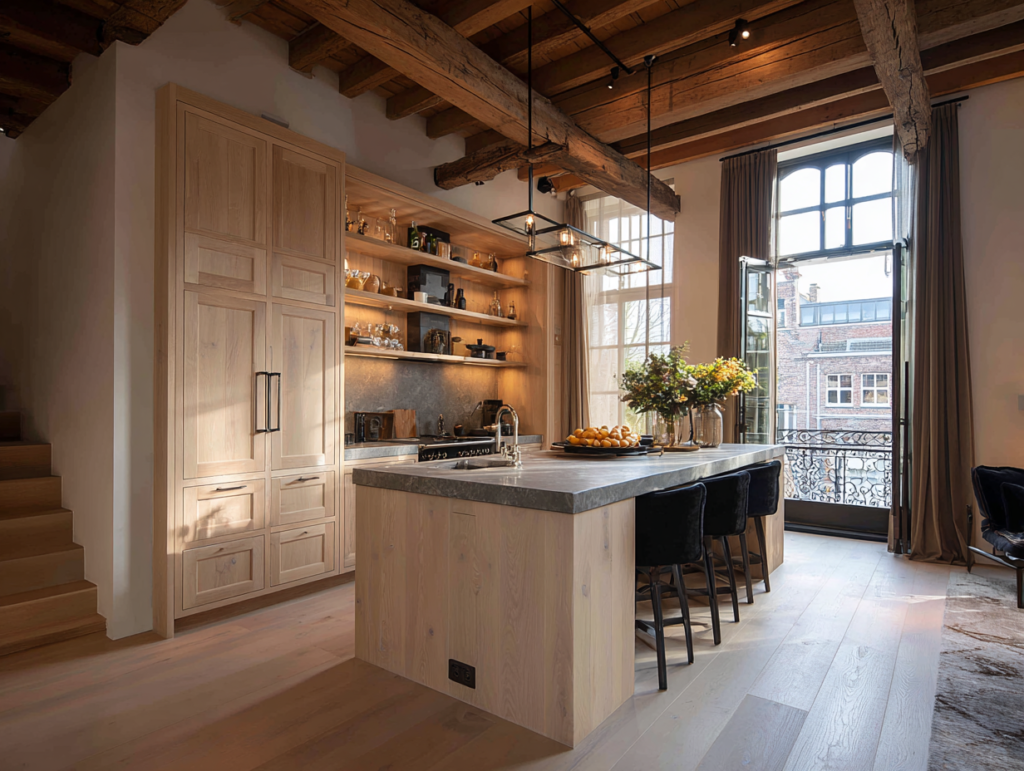
Walk into a modern kitchen showroom today, scroll through home design social media pages, or browse interior design magazines, and one trend quickly stands out: unpainted kitchen cabinets.
For years, homeowners loved bright white cabinets, colorful painted finishes, and bold modern designs. While those styles still have their place, many people are now moving toward something more natural, warm, and timeless. Raw wood is making a strong comeback, and homeowners everywhere are embracing the beauty of natural grain, texture, and authentic materials.
The rise of unpainted kitchen cabinets is more than just a passing design trend. It reflects a growing desire for simplicity, sustainability, and a stronger connection to nature inside the home.
Let’s explore why this trend has become so popular and why so many homeowners are choosing natural wood over painted finishes.
Why Natural Wood Feels Different
There is something special about real wood.
Every piece has its own grain pattern, texture, and character. Unlike painted surfaces that create a uniform appearance, natural wood tells a story. Knots, color variations, and grain movement make every cabinet unique.
This uniqueness creates warmth that many painted cabinets simply cannot match.
When people walk into a kitchen with unpainted kitchen cabinets, they often describe the space as welcoming, comfortable, and calming. The natural tones create a sense of balance that makes the room feel less like a showroom and more like a lived-in home.
As homeowners spend more time at home, many are looking for spaces that feel peaceful and relaxing. Natural wood helps achieve exactly that.
The Influence of Nature-Inspired Design
One major reason behind the popularity of unpainted kitchen cabinets is the rise of nature-inspired interior design.
Design styles such as Scandinavian, Japandi, Modern Organic, and Rustic Modern all celebrate natural materials. Wood plays a central role in these styles because it adds warmth without overwhelming a space.
Homeowners are increasingly choosing:
- Natural wood furniture
- Stone countertops
- Organic fabrics
- Earth-tone colors
- Raw wood cabinetry
Together, these elements create interiors that feel grounded and timeless.
Instead of trying to impress with bold colors or dramatic finishes, these spaces focus on comfort, simplicity, and authenticity.
Unpainted Kitchen Cabinets Create Timeless Beauty
Design trends come and go.
A cabinet color that feels modern today may look outdated in ten years. Many homeowners have experienced this firsthand after investing in trendy colors that eventually lost popularity.
Natural wood offers a different approach.
Because wood has been used in homes for centuries, it rarely feels outdated. Oak, walnut, maple, ash, and other wood species continue to look beautiful regardless of changing design trends.
This is one reason many homeowners see unpainted kitchen cabinets as a safer long-term investment. Instead of following a short-term trend, they are choosing a material with proven staying power.
A kitchen renovation is a significant expense, and timeless design choices often provide better value over time.
Wood Grain Adds Visual Interest
One of the biggest advantages of unpainted kitchen cabinets is the natural visual texture they provide.
Paint creates a smooth, solid surface. While that can look clean and modern, it can sometimes make a kitchen feel flat.
Natural wood introduces depth and movement through its grain patterns.
Even simple cabinet doors become visually interesting because the wood itself becomes part of the design.
The grain creates subtle variations that catch light differently throughout the day, making the kitchen feel more dynamic and alive.
This natural texture can reduce the need for additional decorative elements because the cabinets themselves become a focal point.
They Work With Many Design Styles
Some design trends are limited to specific aesthetics.
Natural wood is different.
Unpainted kitchen cabinets can work beautifully in many different kitchen styles, including:
Modern Kitchens
Flat-panel wood cabinets create a sleek and contemporary look while maintaining warmth.
Farmhouse Kitchens
Natural wood pairs perfectly with farmhouse sinks, open shelving, and rustic accents.
Scandinavian Kitchens
Light wood cabinets complement clean lines and minimalist design principles.
Traditional Kitchens
Rich wood tones add elegance and classic charm.
Transitional Kitchens
Wood blends traditional and modern elements effortlessly.
This versatility makes natural wood an attractive choice for homeowners who want flexibility in future design updates.
Sustainability Matters More Than Ever
Many homeowners today are thinking more carefully about sustainability.
Choosing natural materials often aligns with environmentally conscious living.
While sustainability depends on sourcing and manufacturing practices, unpainted kitchen cabinets can offer several advantages.
Some benefits include:
- Fewer chemical coatings
- Reduced use of paints and finishes
- Easier refinishing options
- Longer lifespan
- Natural aging process
Many homeowners appreciate knowing that their kitchen incorporates authentic materials rather than heavily processed products.
As eco-friendly design continues to grow in popularity, natural wood remains an appealing choice.
Easy to Refresh Over Time
Painted cabinets can become difficult to maintain.
When paint chips or scratches, repairs often require color matching and repainting.
Natural wood offers more flexibility.
Minor scratches can often blend into the existing grain pattern. If needed, wood surfaces can be sanded and refinished to restore their appearance.
This ability to refresh rather than replace helps extend the life of the cabinetry.
Many homeowners see this as a practical advantage because kitchens experience daily wear and tear.
Instead of worrying about perfect paint finishes, they can enjoy the natural character that develops over time.
Popular Wood Species for Unpainted Kitchen Cabinets
Not all wood looks the same.
Different species offer unique colors, grain patterns, and textures.
White Oak
White oak has become one of the most popular choices in modern kitchen design. Its subtle grain and warm tones create a sophisticated appearance.
Walnut
Walnut offers rich, darker tones and luxurious character. It is often used in high-end kitchens.
Maple
Maple provides a smooth grain pattern and lighter color that works well in contemporary spaces.
Ash
Ash combines durability with distinctive grain patterns that add visual interest.
Birch
Birch offers a clean appearance and natural warmth that suits many kitchen styles.
Each wood species brings its own personality, allowing homeowners to create a kitchen that reflects their taste.
The Rise of the Modern Organic Kitchen
One design movement that has greatly influenced the popularity of unpainted kitchen cabinets is the Modern Organic style.
Modern Organic design combines:
- Clean lines
- Natural materials
- Soft textures
- Warm color palettes
- Minimal clutter
Wood cabinets serve as a cornerstone of this design approach.
Instead of creating cold, sterile spaces, Modern Organic kitchens feel inviting and comfortable while maintaining a contemporary appearance.
This balance between modern simplicity and natural warmth explains why so many homeowners are embracing raw wood cabinetry.
Light Wood Tones Are Leading the Trend
While darker woods remain popular, light wood finishes are currently dominating kitchen design.
Many homeowners prefer lighter wood because it helps kitchens feel:
- Larger
- Brighter
- Airier
- More open
White oak, ash, and light maple are particularly popular choices.
These woods reflect natural light beautifully while maintaining warmth.
The result is a kitchen that feels fresh and modern without appearing cold or overly minimalist.
Natural Imperfections Are Becoming Desirable
For many years, perfection was the goal.
Homeowners wanted flawless surfaces, perfectly smooth finishes, and uniform appearances.
Today, attitudes are changing.
Many people now appreciate imperfections because they add authenticity and character.
Knots, grain variation, and subtle color differences make unpainted kitchen cabinets feel more natural and genuine.
Rather than hiding these features, designers often celebrate them.
This shift reflects a broader movement toward homes that feel real, personal, and lived-in.
Pairing Unpainted Kitchen Cabinets With Other Materials
Natural wood works beautifully alongside many other materials.
Popular combinations include:
Stone Countertops
Quartz, marble, and natural stone create beautiful contrast against wood cabinetry.
Black Hardware
Matte black handles and fixtures provide a modern touch.
White Walls
White walls allow wood cabinets to become the focal point.
Natural Stone Backsplashes
Stone textures complement the organic appearance of wood.
Metal Accents
Brass, bronze, and stainless steel add sophistication without overpowering the space.
These combinations help create kitchens that feel balanced and visually appealing.
Are Unpainted Kitchen Cabinets Right for Every Home?
While unpainted kitchen cabinets offer many benefits, they may not be the perfect choice for every homeowner.
Some people prefer bold colors and dramatic design statements. Others enjoy the crisp appearance of painted cabinetry.
The key is understanding your personal style and how you want your kitchen to feel.
If you value warmth, authenticity, natural materials, and timeless design, natural wood cabinetry may be an excellent fit.
The growing popularity of raw wood suggests that many homeowners are finding exactly what they want in these natural finishes.
Final Thoughts
The growing demand for unpainted kitchen cabinets is not simply another design trend. It reflects a broader shift toward authenticity, comfort, and connection with natural materials.
Homeowners are increasingly choosing spaces that feel warm, welcoming, and timeless. Raw wood cabinetry delivers all of these qualities while offering beauty that evolves gracefully over time.
Whether featured in a sleek modern kitchen, a cozy farmhouse space, or a minimalist Scandinavian design, unpainted kitchen cabinets continue to prove their versatility and appeal.
As design preferences move away from overly polished perfection and toward natural simplicity, it is easy to understand why raw wood is everywhere right now. This trend celebrates the beauty of nature itself, and that is something that never truly goes out of style.