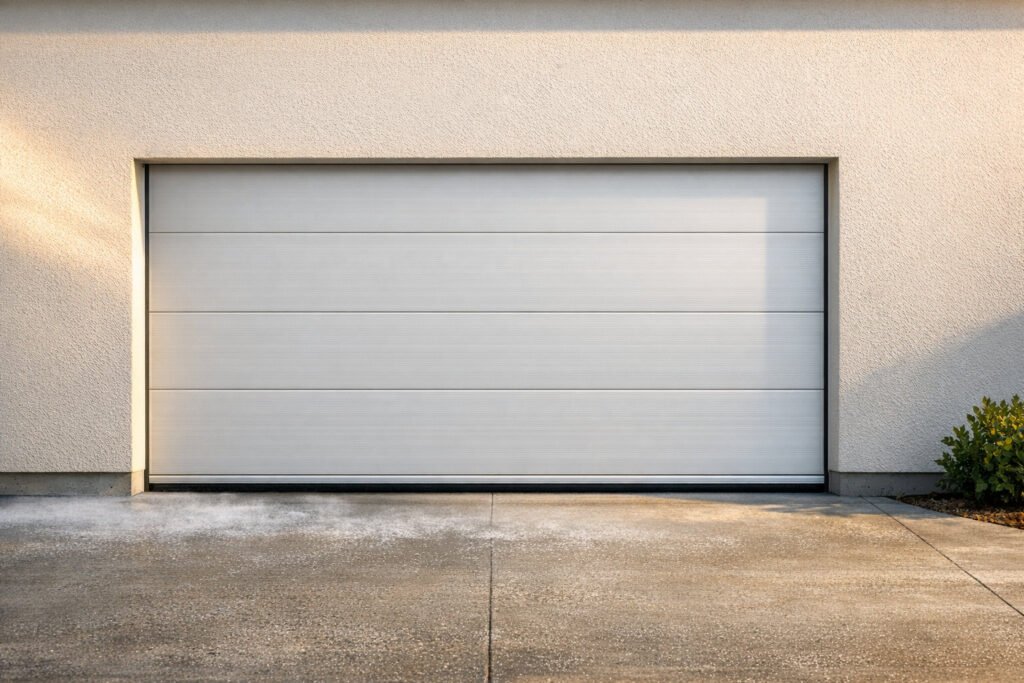
Homeowners often underestimate how much the garage affects overall energy use. Uninsulated garage doors can allow for significant heat loss or gain, raising household energy expenses. Upgrading to an insulated garage door can increase comfort and provide measurable energy savings in modern homes.
A garage is often one of the largest openings in a home’s exterior, exposing your living space to significant temperature swings, especially during extreme weather. DuraServ residential garage door installers frequently highlight that because garages are commonly attached and share walls or floors with living areas, the temperature inside the garage can easily affect the rooms above or next to it. For many families, this means garages can drive up heating and cooling costs. Selecting an insulated garage door can make a substantial difference in energy performance and household comfort.
Understanding what garage door insulation provides
Insulated garage doors are built differently from standard models. They often feature two or three layers of steel or fiberglass with a core of polystyrene or polyurethane foam, significantly boosting thermal resistance. This multi-layer construction adds both strength and insulation, making the door more effective against outside temperature extremes.
When comparing options, you might see the term “R-value” describing how well a garage door resists heat flow. A higher R-value generally means better insulation, but it is important to recognize that total energy efficiency also depends on the door’s installation, fit, and sealing. R-value alone does not account for air leaks that can reduce the benefits of insulation.
Benefits for attached homes and adjacent rooms
Homeowners with attached garages benefit most from an insulated garage door, as these garages often have direct connections to living spaces. Improved insulation reduces temperature swings, helping to maintain more stable conditions in the garage during hot or cold weather. Rooms located above or beside the garage are less likely to experience drafts or uncomfortable temperature fluctuations.
In addition, an insulated garage door can lessen the strain on your home’s heating and cooling systems by acting as a barrier. This can help prevent warm or cold air from moving freely between the garage and the rest of your home, resulting in potential savings on energy bills. DuraServ notes that reduced HVAC workload can support equipment longevity and comfort, depending on a home’s layout and regional climate.
Critical features beyond just insulation material
While the insulation material inside a garage door is important, other features play an essential role in overall performance. High-quality weatherstripping along the sides and top of the door can block drafts and moisture, which is particularly valuable during seasonal changes. A strong bottom seal helps stop cold air, rain, and pests from entering under the door, helping the insulation work at its best.
The way door panels join together also matters for efficiency. Tight-fitting joints and a properly aligned door reduce unwanted gaps that could let conditioned air escape. If your door includes windows, insulated glass can reduce heat transfer compared with standard panes.
Selection, installation, and ongoing maintenance tips
The right garage door balances insulation performance, durability, longevity, and affordability. For those who need better sound reduction or regularly use garages as workshops, gyms, or for storing temperature-sensitive items, investing in higher insulation levels can be particularly helpful. Finished rooms above the garage will often see greater comfort benefits compared to stand-alone structures.
Proper installation is as important as the choice of door, since misaligned tracks or poor sealing can create gaps for air movement. Regular inspection of the door’s alignment, track condition, and all weather seals each season helps support ongoing efficiency. Identifying and repairing issues promptly helps ensure the garage supports your home’s overall energy efficiency.
By choosing an insulated garage door and maintaining it well, you can minimize energy loss, improve year-round comfort, and strengthen your home’s energy efficiency envelope.