Most homeowners rarely think about their water heater until something goes wrong. Hot showers, clean dishes, warm laundry, and everyday household comfort all rely on a properly functioning water heater. Because these systems work quietly behind the scenes, it is easy to overlook their importance—until cold water suddenly replaces hot water. Whether you are dealing with an aging unit or considering an upgrade, understanding the benefits of a reliable water heater can help homeowners avoid unexpected problems and costly repairs.
Water heaters are one of the hardest-working appliances in any home. On average, families use hot water multiple times a day for showers, dishwashing, laundry, and cooking. Over time, the constant demand causes wear and tear that eventually impacts efficiency and performance. Most traditional tank water heaters last between 8 to 12 years, while tankless systems often last longer with proper maintenance. However, as water heaters age, they become more vulnerable to leaks, heating issues, and rising energy costs.
One of the first warning signs of a failing water heater is inconsistent hot water. If showers suddenly become lukewarm or hot water runs out faster than normal, sediment buildup or aging heating components may be to blame. Over time, minerals naturally found in water settle at the bottom of the tank, especially in areas with hard water. This buildup reduces heating efficiency and forces the system to work harder, increasing utility bills while reducing performance.
Unusual noises coming from the water heater are another sign that maintenance or replacement may be needed. Popping, rumbling, or banging sounds are often caused by hardened sediment inside the tank. As water heats beneath these deposits, pressure and movement can create loud noises. Ignoring these warning signs may eventually lead to tank damage or complete system failure.
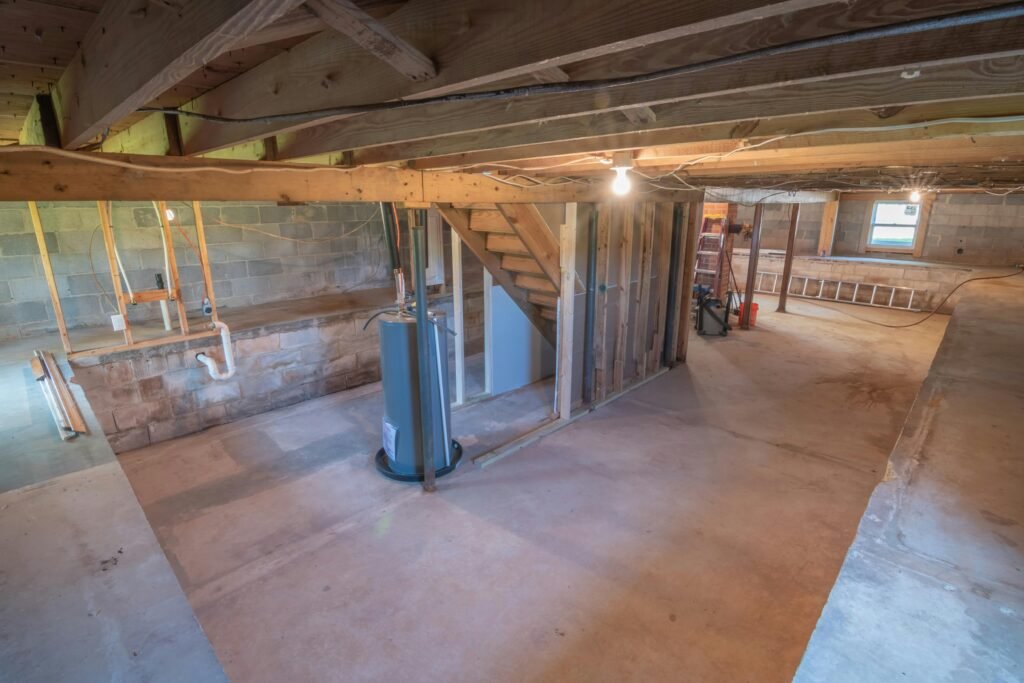
Leaks are among the most serious problems homeowners can face with water heaters. Even a small leak can quickly become a major issue if left untreated. Water damage can impact floors, drywall, nearby appliances, and even structural areas of the home. Regular inspections and maintenance help catch early signs of wear before major water damage occurs.
Energy efficiency is another reason many homeowners choose to upgrade older water heaters. Older units tend to consume more energy while delivering lower performance. Modern water heaters are designed to heat water more efficiently, helping homeowners reduce monthly utility costs. Tankless water heaters, in particular, have become increasingly popular because they heat water on demand rather than storing hot water continuously. This means homeowners can enjoy endless hot water while potentially lowering energy usage.
Traditional tank water heaters still remain an excellent choice for many households as well. Today’s newer models offer improved insulation, better energy ratings, and faster recovery times than older systems. Choosing the right size and type of water heater depends on family size, water usage habits, and overall household needs.
Maintenance also plays an important role in maximizing water heater lifespan. Routine flushing helps remove sediment buildup, improving efficiency and reducing wear on heating components. Annual inspections can identify small issues before they become expensive emergencies. Homeowners who invest in preventive maintenance often experience fewer unexpected breakdowns and longer-lasting equipment.
Hard water conditions can also affect water heater performance. Mineral buildup not only decreases efficiency but may shorten the overall lifespan of the system. Many homeowners combine water heater upgrades with water softeners to help protect plumbing systems and appliances from scale buildup. This combination often improves water quality while extending the life of major household equipment.
Safety should also be considered when evaluating an older water heater. Faulty pressure relief valves, gas leaks, rusted tanks, or aging electrical components can create serious hazards if ignored. Regular inspections by experienced professionals help ensure systems operate safely and efficiently year-round.
Choosing the right installer is just as important as selecting the right equipment. Improper installation can reduce performance, shorten lifespan, and lead to expensive repairs later. Working with experienced professionals ensures proper sizing, installation, and code compliance while helping homeowners understand their options.
If your current system struggles to keep up with demand, frequently requires repairs, or is nearing the end of its lifespan, partnering with a trusted water heater company in Indianapolis can help you find the best solution for your home. Experienced technicians can assess your family’s needs, recommend energy-efficient options, and ensure proper installation for long-term performance.
At the end of the day, a dependable water heater is essential for comfort, convenience, and everyday living. Waiting until a system completely fails often leads to stressful emergency replacements and unexpected costs. By upgrading an aging unit or staying proactive with maintenance, homeowners can enjoy reliable hot water, lower energy bills, and greater peace of mind for years to come.