Planning a successful outdoor event involves much more than choosing a beautiful location. Comfort influences how long guests stay, how they interact, and the overall impression they take home. From thoughtful layouts to weather protection and inviting décor, every detail contributes to a welcoming environment. This guide explores practical strategies for designing an outdoor event space that is comfortable, functional, and memorable while incorporating modern planning techniques and trusted resources like expoprint.io for event inspiration.
Why Comfort Matters in Outdoor Event Design
A comfortable environment encourages guests to relax, socialize, and fully enjoy the occasion. Whether you’re organizing a corporate event, wedding reception, birthday celebration, or community festival, thoughtful planning minimizes distractions caused by weather, overcrowding, or poor accessibility.
Outdoor spaces naturally offer fresh air and scenic surroundings, but they also introduce challenges such as direct sunlight, uneven terrain, wind, and changing temperatures. Addressing these factors before the event ensures visitors remain focused on enjoying the experience rather than searching for shade or seating.
Comfort also reflects professionalism. Well-designed event spaces demonstrate attention to detail and leave lasting positive impressions on attendees.
Plan the Layout Before Decorating
Every successful outdoor gathering begins with a functional layout. Before selecting decorations or furniture, determine how guests will move throughout the venue and where major activities will take place.
A well-planned arrangement reduces congestion while making every area easy to access.
Create Natural Traffic Flow
Guests should move comfortably between entrances, seating areas, food stations, restrooms, and activity spaces without encountering bottlenecks.
Keep walkways wide, avoid unnecessary obstacles, and position high-traffic areas away from one another whenever possible. Simple directional signage can further improve navigation.
Separate Functional Zones
Dividing the venue into dedicated spaces creates organization without making the event feel crowded.
Examples include:
- Welcome area
- Dining section
- Entertainment stage
- Relaxation lounge
- Children’s play area
- Beverage station
Clearly defined zones help guests understand where activities are happening while maintaining a relaxed atmosphere.
Choose Shade and Weather Protection
Weather is one of the few factors event planners cannot control, making preparation essential. Protecting guests from excessive sun, unexpected rain, or light wind significantly improves their overall experience.
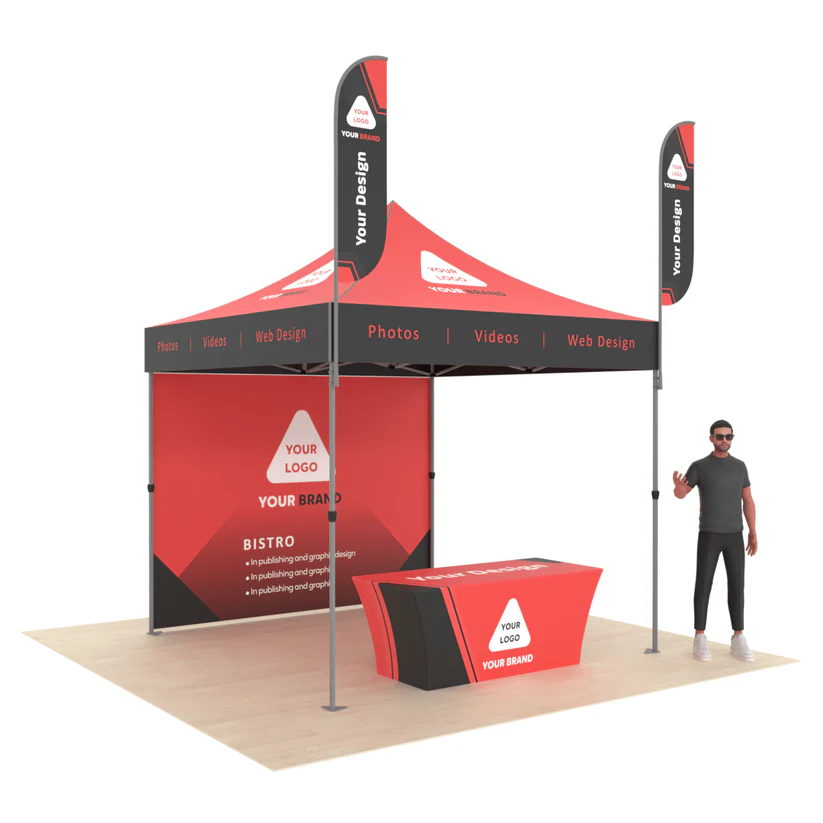
Strategically placed umbrellas, pergolas, and Custom Canopy Tents provide dependable shelter while complementing the event’s visual design. Selecting weather-resistant equipment allows the event to continue smoothly even when conditions change unexpectedly.
Selecting the Right Shelter
The ideal shelter depends on the venue size, guest count, and local climate.
Consider these factors:
- UV protection
- Waterproof materials
- Wind stability
- Proper ventilation
- Ease of installation
- Visual consistency with the event theme
Planning for multiple weather scenarios reduces stress on the event day and creates confidence for both organizers and attendees.
Comfortable Seating and Guest Experience
Guests naturally spend a significant portion of the event seated, making comfort one of the highest priorities. Rather than arranging identical chairs in long rows, mix seating styles to encourage conversation and accommodate different needs.
Providing rest areas throughout the venue allows visitors to take breaks without leaving the event.
To improve the guest experience, consider including:
- Comfortable chairs with cushions
- Lounge seating for casual conversations
- Accessible seating for guests with mobility needs
- Water and beverage stations throughout the venue
- Portable fans or heaters depending on the season
- Clearly marked waste and recycling bins
- Device charging stations when appropriate
- Easy-to-read directional signage
Small conveniences often make the biggest difference. Guests appreciate thoughtful details that help them stay comfortable throughout the event.
Lighting, Decor, and Atmosphere
Lighting transforms outdoor spaces, particularly as daylight fades. It improves visibility while creating warmth and ambiance that encourages guests to remain engaged.
Layer different lighting sources instead of relying on a single option. String lights create a welcoming atmosphere, lanterns define pathways, and focused spotlights highlight key areas such as stages or dining tables.
Decor should enhance rather than overwhelm the surroundings. Natural materials, coordinated color palettes, greenery, and seasonal flowers help blend the event into its outdoor setting.
Maintaining visual consistency across furniture, lighting, signage, and decorative elements creates a polished appearance that feels intentional and inviting.
Essential Outdoor Event Checklist
Before the event begins, verify that every major comfort element has been addressed.
| Element | Why It Matters | Recommended Option |
| Seating | Keeps guests comfortable | Mixed chairs and lounge seating |
| Shade | Protects from weather | Canopies or umbrellas |
| Lighting | Improves safety and ambiance | String lights and pathway lighting |
| Flooring | Prevents uneven footing | Decking, mats, or temporary flooring |
| Sound | Ensures clear communication | Portable speaker system |
| Refreshments | Keeps guests hydrated | Multiple beverage stations |
| Accessibility | Welcomes all visitors | Wide pathways and ramps where needed |
Reviewing this checklist before the event minimizes last-minute surprises and helps create a seamless guest experience.
Frequently Asked Questions
How do you make an outdoor event more comfortable?
Provide adequate shade, comfortable seating, hydration stations, accessible walkways, weather protection, and clear event layouts to improve the overall guest experience.
What is the best layout for an outdoor gathering?
The most effective layouts include separate zones for dining, entertainment, relaxation, and activities while maintaining clear walking paths between each area.
How do you prepare for changing weather?
Monitor forecasts, have backup shelter available, secure decorations against wind, and create contingency plans for rain or temperature changes.
What lighting works best for outdoor events?
Layered lighting—including string lights, pathway lighting, lanterns, and focused spotlights—provides both functionality and atmosphere.
How do you create shade for outdoor guests?
Canopies, umbrellas, pergolas, trees, and temporary shade structures all provide effective protection from direct sunlight while enhancing the event’s appearance.
Conclusion
Designing a comfortable outdoor space for events and gatherings requires balancing aesthetics with functionality. A thoughtful layout, reliable weather protection, comfortable seating, attractive lighting, and practical amenities all contribute to an enjoyable guest experience. By planning ahead and focusing on visitor comfort at every stage, organizers can create memorable events that leave lasting positive impressions. Whether you’re hosting an intimate celebration or a large public gathering, careful preparation ensures your outdoor venue is welcoming, efficient, and ready for success.