Having friends and family over at Christmas often means asking more of your home. The dining table needs to seat extra people, the spare bedroom needs clearing, and the hallway suddenly has to accommodate a small mountain of coats and shoes.
Before worrying about matching table decorations, it helps to get the practical arrangements right. Guests are more likely to appreciate a comfortable bed and somewhere to put their bags than a perfectly styled mantelpiece.
These eight preparations will help make your home welcoming and easier to manage, whether visitors are coming for Christmas lunch or staying through to Boxing Day.
1. Clear clutter from the spaces guests will use
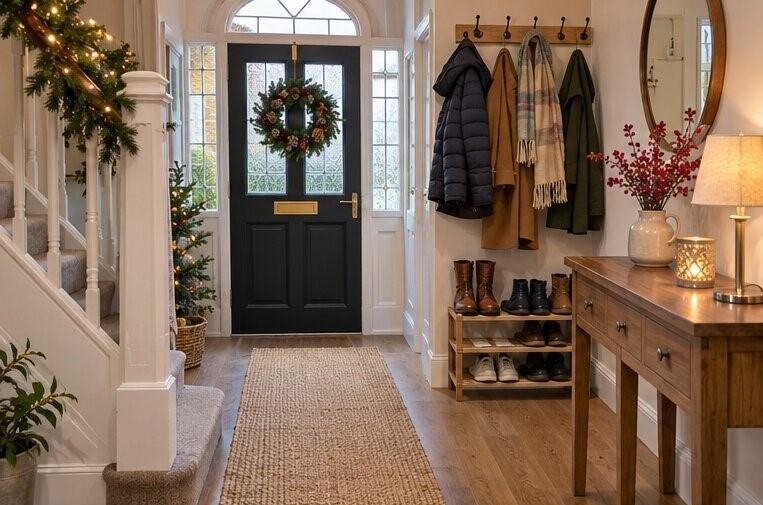
Start with the entrance, sitting room, dining area and any bedrooms guests will be using. Focus on making these spaces usable rather than trying to reorganise the entire house.
Clear somewhere for visitors to leave bags, remove paperwork from the dining table and free up surfaces for drinks. In the hallway, put away shoes and coats that your household will not need over the next few days.
Consider where Christmas presents will go once they have been opened. A basket for packaging and a space for gifts can stop the living room becoming difficult to move around.
Avoid moving all the clutter into the spare room if someone will be sleeping there. Guests should be able to reach the bed, open the door fully and put their belongings down without rearranging yours.
2. Plan seating and dining arrangements early
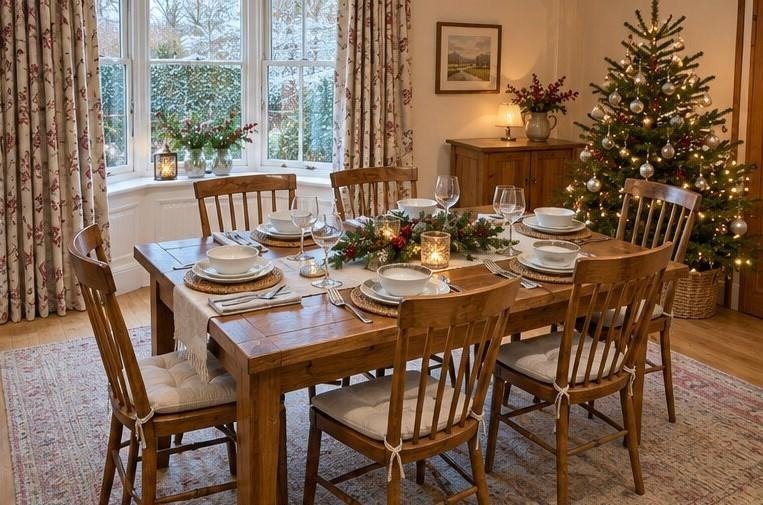
Count how many people are coming and check that you have suitable seating for everyone. Do this before Christmas Eve, when borrowing extra chairs becomes another job on an already long list.
Try the arrangement with the table extended, chairs in position and any children’s highchairs included. Leave room for people to get up and for food to reach the table safely.
If the dining space is tight, serving food from the kitchen or a sideboard can free up valuable room. Keep the table decorations low enough for guests to see and speak to one another.
Think beyond the meal, too. Once everyone moves into the sitting room, will there be enough comfortable seats? Moving an occasional chair from another room may make conversation easier than squeezing everyone onto one sofa.
3. Make the guest bedroom comfortable and private

Fresh bedding is a good start, but spend a few minutes checking how the room will work for someone staying overnight.
Clear a drawer, provide a few hangers and leave somewhere for a suitcase. Make sure guests can reach a lamp from the bed and charge their phones without moving furniture.
Window coverings deserve attention as well. A bedroom that doubles as an office may have blinds chosen for daytime glare rather than sleeping. Check whether outside lights shine into the room and whether guests have enough privacy.
For homeowners planning an update, Jacksons Blinds fits naturally into this part of the preparation. Choosing suitable bedroom blinds means considering privacy, light control and ease of use. Where blackout fabric is preferred, the fitting also matters because light can enter around the edges.
Finish with a spare blanket and towels placed somewhere obvious, so visitors do not have to ask for the basics.
4. Create a second space for relaxing
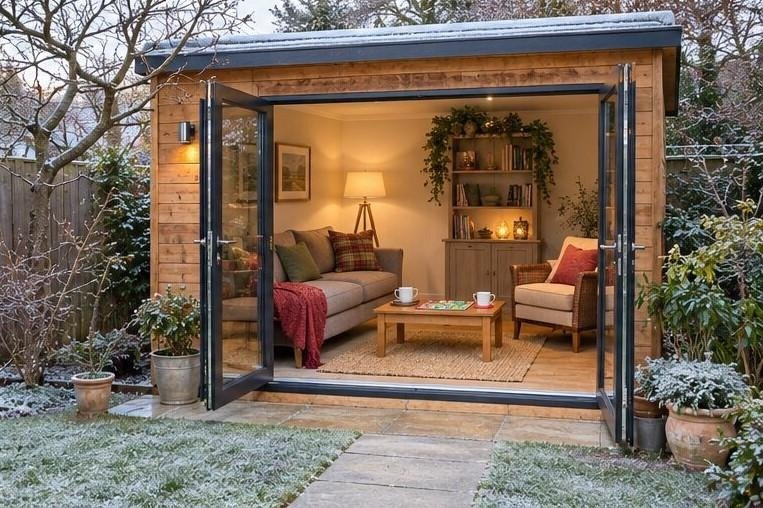
Even close families appreciate a little breathing room during a busy Christmas visit. One person may want to read while others watch a film, and children’s games can quickly take over the main sitting room.
Set aside another comfortable area if space allows. It might be a chair in a quiet bedroom, a small snug or an existing garden room.
A garden room with suitable insulation and heating can provide somewhere for board games, conversation or a break from the noise of the house. Check its comfort in cold weather before planning to use it, and make sure the route outside is clear and well lit.
For households thinking ahead to future gatherings, Elevate Garden Rooms can be introduced here as a garden room specialist. The wider point is to plan additional space around everyday use as well as occasional entertaining, whether that means a home office that becomes a family room or somewhere to enjoy hobbies.
Keep Christmas use focused on relaxing and activities rather than assuming a garden room is suitable for overnight accommodation.
5. Make shared rooms welcoming from day to evening
Christmas gatherings often stretch from a late breakfast into the evening, so living and dining rooms need to feel comfortable as the light changes.
During the day, make the most of available daylight. As darkness falls, use lamps alongside the main lighting to create a softer setting for conversation or watching television.
Privacy becomes more noticeable once indoor lights are on, especially in rooms facing the street. Check that existing curtains, blinds or shutters close properly and remain accessible behind the Christmas tree.
For homeowners considering a longer-term change, Lifestyle Shutters Suffolk fits into the discussion of balancing daylight and privacy. Adjustable shutter louvres can help manage views into a room while admitting some light, depending on their position and the window layout.
The immediate task is simple: make sure each room works comfortably both during the afternoon and after dark, without guests feeling exposed to passers-by.
6. Stock and prepare the bathroom
A few extra people can put pressure on a bathroom, particularly when everyone is getting ready at once.
Give it a thorough clean, check that the lock works and make sure there is somewhere to hang towels. Put spare toilet rolls where guests can find them without searching through cupboards.
Provide hand soap, a clean hand towel and a small bin. If visitors are staying overnight, clear a little shelf space for toiletries.
Check that the room’s ventilation works and explain any unfamiliar shower controls before guests need to use them. A quick explanation on arrival is easier than trying to help through a closed bathroom door the following morning.
7. Organise the kitchen so guests can help themselves
Christmas cooking becomes harder when every request for a glass of water brings someone into the busiest part of the kitchen.
Set up an accessible area for mugs, glasses and drinks, away from hot trays and food preparation where possible. Tell visitors where to find tea, coffee and breakfast essentials so they feel comfortable helping themselves.
Before buying festive food, clear out the fridge and check storage space. Plan where prepared dishes and leftovers will go, rather than discovering there is no room once the meal is over.
Ask guests about dietary requirements in advance. Knowing what is needed gives you time to plan food they can enjoy and keep any necessary packaging for checking ingredients.
8. Check access, safety and useful household details
Walk through the house as though you were arriving for the first time. Look for things your household automatically works around but visitors may not notice.
Check outside lighting, clear the path to the front door and keep stairs free of bags and decorations. Secure loose cables and avoid placing presents where they narrow walkways.
If young children are visiting, move fragile decorations, medicines and cleaning products out of reach. Ask parents beforehand if there is anything specific they need you to prepare.
Finally, share the useful details: Wi-Fi access, where to park, how to adjust the heating and where to find an extra blanket. These small explanations help guests settle in without feeling they need permission for everything.
Once those preparations are done, leave yourself time to enjoy the visit. A home that is easy to use and comfortable to spend time in gives everyone a better chance to relax—including the person hosting.