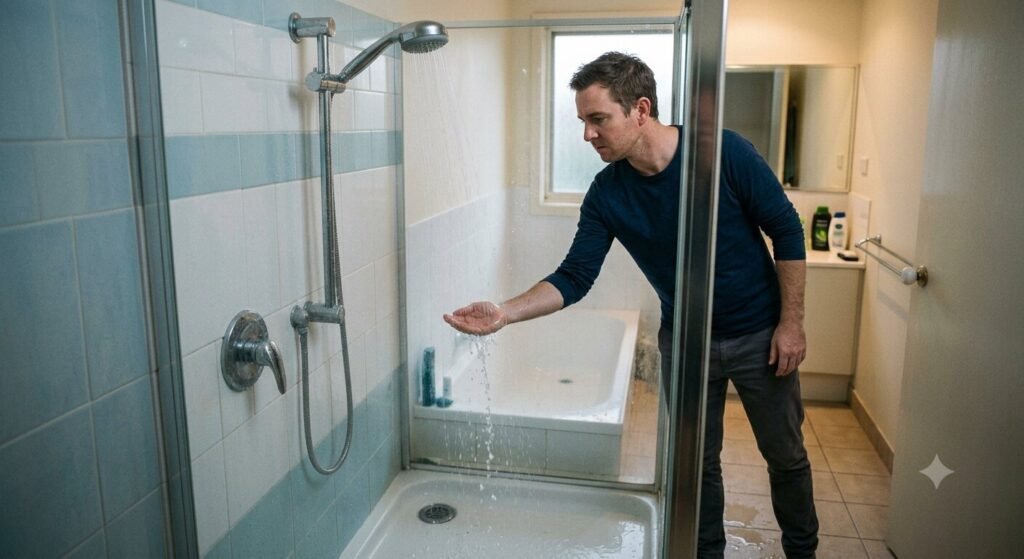
Nobody thinks about their hot water system until it stops working. That’s just how it goes. It sits in the garage or the roof cavity doing its job quietly for years, completely ignored, right up until someone turns the shower on one morning and gets nothing but cold water and a very unpleasant surprise. By that afternoon, most people are searching for a hot water plumber in Melbourne and hoping someone can come out the same day.
Sometimes that works out. Often it doesn’t, because a system that’s failed completely usually needed attention weeks earlier and nobody was paying attention.
The Warning Signs That Get Ignored
A hot water system rarely just dies without warning. There’s usually a lead-up such as water that takes longer to heat than it used to, a rumbling or popping sound from the tank, water that comes out slightly discoloured, or a pilot light that keeps going out for no obvious reason. Any one of these gets brushed off easily enough. People are busy. A slightly slower hot water cycle doesn’t feel urgent when there’s a dozen other things competing for attention that week, and sediment buildup alone causes a huge chunk of the call-outs plumbers get for underperforming systems. It’s boring, unglamorous, and completely preventable with a service most homeowners never book because the thing still technically works.
Gas, Electric, or Heat Pump: It Actually Matters
The type of system changes what tends to go wrong and how urgently it needs fixing. Gas systems can develop pilot light or thermocouple issues that are genuinely a safety concern, not just an inconvenience. Electric systems tend to fail more gradually, usually through element wear, which is why the water gets steadily less hot rather than cutting out all at once, and it’s one of several common plumbing problems that homeowners tend to notice only once it’s already fairly advanced. Heat pump systems are newer to a lot of Melbourne homes and come with their own quirks around airflow and placement that older systems never had to deal with.
Honestly, a lot of homeowners don’t even know which type they have until something goes wrong and a plumber has to explain it to them. That’s fine. It’s not really something anyone needs to know until it matters.
Replace or Repair
This is the question everyone asks and the answer is genuinely “it depends,” which isn’t a satisfying thing to hear when the shower’s cold. A system under five years old with a single fault is almost always worth repairing. A system past the ten year mark that’s already had one or two repairs is usually closer to the end of its useful life, and throwing more money at it just delays a replacement that’s coming anyway.
A few things worth checking before deciding either way:
- Puddles or damp patches around the base of the unit, which usually means the tank itself is failing
- A noticeable drop in hot water pressure specifically, not overall pressure
- Rusty or discoloured water first thing in the morning
- Whether the system’s already had a repair in the last twelve months
Tank size matters here too, more than people expect. A family of four running an old 125 litre tank isn’t undersized because the tank’s broken. It’s undersized because the household outgrew it years ago, and every cold shower complaint since then has really been a capacity problem wearing a fault’s clothes.
Getting Ahead of It
An annual service catches most of what turns into an emergency call-out later. It’s a small cost against the alternative, which is usually a cold morning, a rushed same-day booking, and paying whatever premium comes with urgent work. Systems that get serviced regularly last longer and fail less dramatically when they do eventually fail.
Most people only think about their hot water system when it’s already too late to think about it calmly.