People often view their home as a static living space within four walls. In reality, it’s very much like one big, interconnected ecosystem. The air you breathe, the water you drink and the way waste is carried out of your home may feel like independent components, but they work in tandem with each other.
If one part of the system falters, the effects ripple through the entire habitat. When you understand just how well synchronized the various factors in your home environment are, you can truly create a living space that maximizes health and comfort.
What Really Defines Indoor Air Quality

Indoor air quality is one of the most important yet overlooked aspects in creating a healthy home environment. Homeowners often assume that the air they breathe is fine, since most of the harmful particles that degrade air quality can’t be seen. Beyond dust and pet dander, volatile organic compounds (VOCs) are produced from cleaning products, furniture finishes and even DIY crafting materials. When left unaddressed, poor air quality can deteriorate health and comfort.
A highly important aspect of improving indoor air quality is effective ventilation. Using exhaust fans in the kitchen and bathroom and regularly opening windows to cycle the air are crucial for maintaining healthy airflow.
This is also where home systems start to overlap. A slow plumbing leak or a clogged drain can create a hidden pocket of dampness inside a wall. This moisture becomes a breeding ground for mold, which then releases harmful spores into the air you breathe. In this way, a seemingly minor plumbing issue can quickly escalate into a major air quality problem, undermining your efforts to keep the air clean.
Studies actually show that having houseplants can reduce harmful VOCs. For plant lovers, this is a great opportunity to add freshness and style to your living space.
Protecting the Quality of Your Home’s Water

Similar to air quality, the water quality in a home is often an overlooked factor, as many harmful chemicals in water are hard to detect without specialized equipment. This is why regular testing is so important. Whether you rely on a municipal supply or a private well, there is potential for harmful contaminants like lead, chlorine or bacterial runoff, all of which can compromise the safety of your family’s drinking and bathing water.
For DIY enthusiasts, installing a water filtration system is an effective way to improve water quality. There is a wide range of options for your specific housing needs that range from simple and portable attachments to full osmosis systems. The right choice depends on your budget and living situation.
Either way, it is important to acknowledge that water in a home is moving in a loop. Water that goes down the drain still has to go somewhere. If your waste system or septic tank isn’t working properly, it can leak, polluting the soil around your home and contaminating the groundwater you rely on. This further underscores the importance of having an “ecosystem-based” mindset.
The Unseen Pillar: How Septic Health Governs Your Home’s Ecosystem

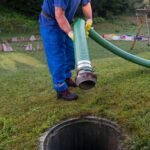
If air and water are the main components of the home’s respiratory and circulatory systems, the septic tank can be viewed as a digestive system. Millions of homeowners rely on this silent guardian to manage waste and protect the local environment. Yet, people often lose sight of its importance as it is buried underground. While you don’t have to conduct daily routine checkups, having a “set it and forget it” mentality can be dangerous.
A well-functioning septic tank breaks down solids and filters effluent before it reaches the soil. If this system is neglected, whether through a lack of pumping or by flushing non-biodegradable items, the consequences are severe. The dangers of neglecting your septic tank extend beyond a quick plumbing backup.
A failing tank can release toxic gases, like methane and hydrogen sulfide, which can compromise indoor air quality and result in respiratory issues, headaches and fatigue. If these gases accumulate in confined spaces, such as a basement, they can be especially harmful.
The problems can spill into your outdoor living space as well. An overflowing tank can fill your yard with untreated wastewater, which is a serious health risk. This raw sewage releases harmful bacteria into your lawn and garden, posing a direct threat to safety. Eventually, these contaminants can seep deep into the soil, polluting the groundwater and undoing the hard work you’ve put into creating a safe home ecosystem.
The Importance of Investing in Your Home
At the end of the day, there is no price you can put on you and your family’s health. By understanding how these seemingly individual factors are interconnected in the ecosystem of your home environment, you can take the right measures to ensure a healthy and comfortable living space. Investing time in inspections and maintenance ensures that the home you’ve worked hard to build continues to support the people inside of it.