What if the urban dream most people have been chasing is starting to feel more like a constraint than a reward?
For decades, city centers have attracted professionals with their dense infrastructure, tight networking circles, and convenience-first lifestyle. But lately, a growing segment of buyers and renters (especially those with mid- to high-income flexibility) are opting out. In fact, in the three years following 2020, large metropolitan areas in the U.S. experienced a net loss of approximately 1.8 to 2.4 million residents annually.
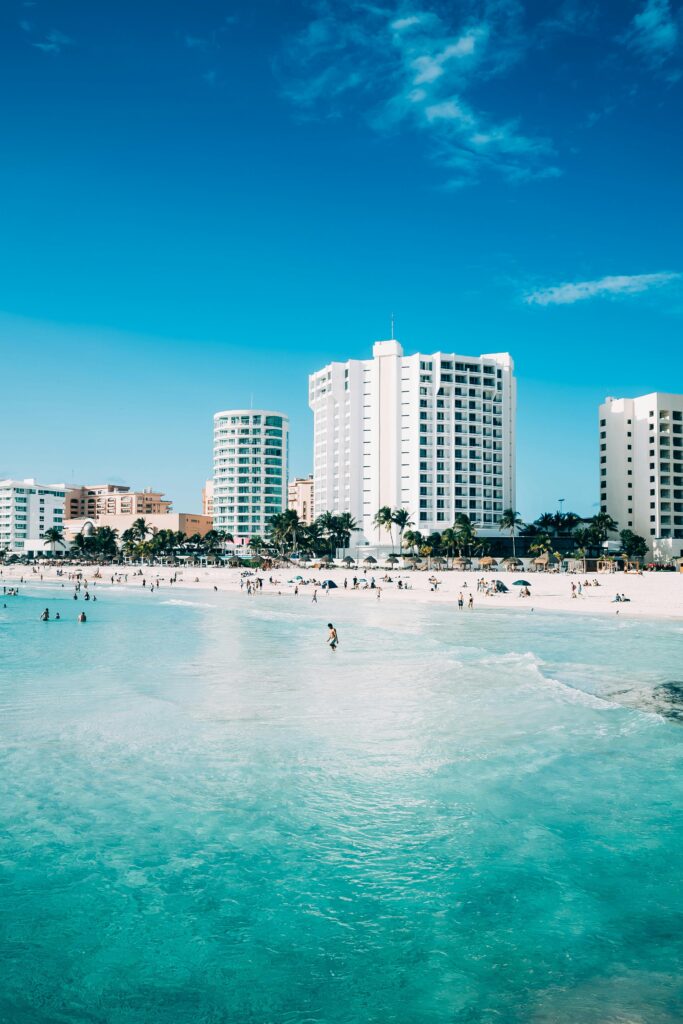
Aside from remote mountains and rural solitude, waterfront off-city apartments are becoming quite popular. Not fully rural. Not fully urban. Something in between that offers the best of both.
The appeal is both aesthetic and strategic, with off-city waterfront living being about escaping modern life but about optimizing it.
Where Demand Meets Design: ENTA Residences
Take ENTA Residences as a leading example. Located near Dubai, this residential development was designed to meet the needs of people who want access to the city but don’t want to be swallowed by it.
ENTA Residences balances access to nature with architectural precision. Floor-to-ceiling windows open out to tranquil water views. Interiors are built for functionality but lean toward serene, minimalist design. And perhaps most importantly, the development isn’t isolated. It’s positioned close enough to major roads and infrastructure to allow easy movement between work and home, but far enough to offer a true break from urban density.
This isn’t a rare case. It’s a signal of where buyer intent is going. ENTA Residences and similar projects have struck a chord with buyers who value privacy, modern amenities, and views that stretch far beyond their screens.
Why Waterfronts Work
There’s something hardwired in people that responds to water. Behavioral researchers have studied this phenomenon, often referred to as the “blue space effect.” People tend to feel calmer, more focused, and more emotionally balanced when exposed to water environments.
Developers have taken note. Waterfront apartments, whether positioned by rivers, lakes, or artificial lagoons, aren’t being built just for Instagram aesthetics. They’re meeting deeper emotional and physiological needs.
This results in tangible benefits:
- Increased time spent outdoors, especially for working professionals needing a break from screens
- Higher sleep quality, due to reduced noise pollution and air contaminants
- Improved mental clarity, often linked to view-based relaxation
These aren’t marketing claims. As per Science Direct, people living near water scored significantly higher on well-being metrics compared to those living in inland high-density neighborhoods. The control for income and age solidified one important takeaway: it’s not about wealth. It’s about environment.
The Cost of Convenience: Why City Living is Losing Appeal
Most urban residents accept compromise as a way of life. Limited square footage. Noise that doesn’t end. Window views of other people’s windows. It’s all part of the cost of convenience.
But the pandemic-era shift to hybrid work exposed how fragile that trade-off actually is. Once people realized they could do their jobs without physically being in the city every day, priorities shifted. What used to be minor annoyances, think noisy neighbors, lack of personal space, limited natural light, have turned into dealbreakers.
Suddenly, off-city living wasn’t a retreat. It was an upgrade.
And it still is. Today’s hybrid workers want spaces that support both focus and decompression. They want flexibility not just in work, but in lifestyle. Waterfront off-city apartments provide that, often with features that urban towers can’t match.
Logistical Strength: Off-City Doesn’t Mean Off-Grid
Contrary to outdated assumptions, these homes don’t come with a “sacrifice” clause. Smart developers know the audience they’re targeting like modern professionals who demand stability and performance.
Connectivity? Fiber optics, 5G towers, and satellite backup make remote work seamless. Security? Gated access, smart locks, and integrated surveillance systems are becoming standard. Amenities? Think beyond gyms. Many off-city developments now include co-working lounges, rooftop decks, pet-friendly trails, and concierge support.
Buyers aren’t looking for a rural fantasy. They’re looking for precision-engineered peace.
Shifting Investment Patterns
The rising popularity of waterfront off-city developments isn’t just about lifestyle. It’s also about asset durability.
Real estate analysts have noticed a trend: properties in these zones tend to hold their value longer and attract more stable tenants or buyers. This is especially true for developments that manage to balance privacy, connectivity, and scenic surroundings.
Investors are taking note. Instead of betting on high-density units that may face zoning risks or oversupply, more portfolios are diversifying into waterfront off-city properties. The logic is clear: lower turnover, higher tenant satisfaction, and a growing pool of professionals priced out (or burned out) from central zones.
The Psychological Edge
It’s not just about space or views. It’s about how these environments shift habits.
Living in a waterfront off-city apartment often leads to slower morning routines, more frequent walking or jogging sessions, and a stronger boundary between work and rest. That boundary, often missing in urban setups, is becoming a prized asset.
Here’s what typically improves in the first year of transition, based on tenant interviews and owner surveys:
- Sleep quality and duration
- Time spent on hobbies or outdoor recreation
- Lowered screen time during non-working hours
- Decrease in reported anxiety and overstimulation
It’s not a lifestyle for everyone. But for people craving focus, privacy, and long-term mental clarity, it’s a near-perfect match.
What to Watch for When Considering the Move
Before jumping into a purchase or lease, experienced buyers focus on specific markers. Location and view are obvious. But equally important are:
- Development scale: Smaller projects often offer better privacy and personalized amenities
- Transportation flow: Access to highways or reliable shuttle routes matter more than proximity to subways
- Flood resilience and insurance structures
- Future zoning regulations: Especially around new constructions or possible commercial builds nearby
Off-city doesn’t mean unchecked development. Due diligence still applies.