
Homeowners often associate pest activity with warm summer weather. Mosquitoes become more noticeable outdoors, ants begin appearing around kitchens, and wasps may build nests near porches or rooflines.
However, pest pressure does not disappear when temperatures fall. The types of pests homeowners encounter may change, and their activity may move from yards and gardens into attics, crawl spaces, basements, garages, and wall voids.
Chattanooga’s combination of rainfall, warm summer weather, vegetation, wooded neighborhoods, and seasonal temperature changes creates different pest risks throughout the year. National Weather Service climate normals show that Chattanooga receives approximately 55 inches of rain annually, experiences many days above 90°F, and also has regular winter freezes. These changing conditions influence where insects and rodents find food, water, and shelter.
A year-round prevention strategy helps homeowners address the conditions that support pests instead of reacting only after an infestation becomes visible.
Why Pest Activity Changes Throughout the Year
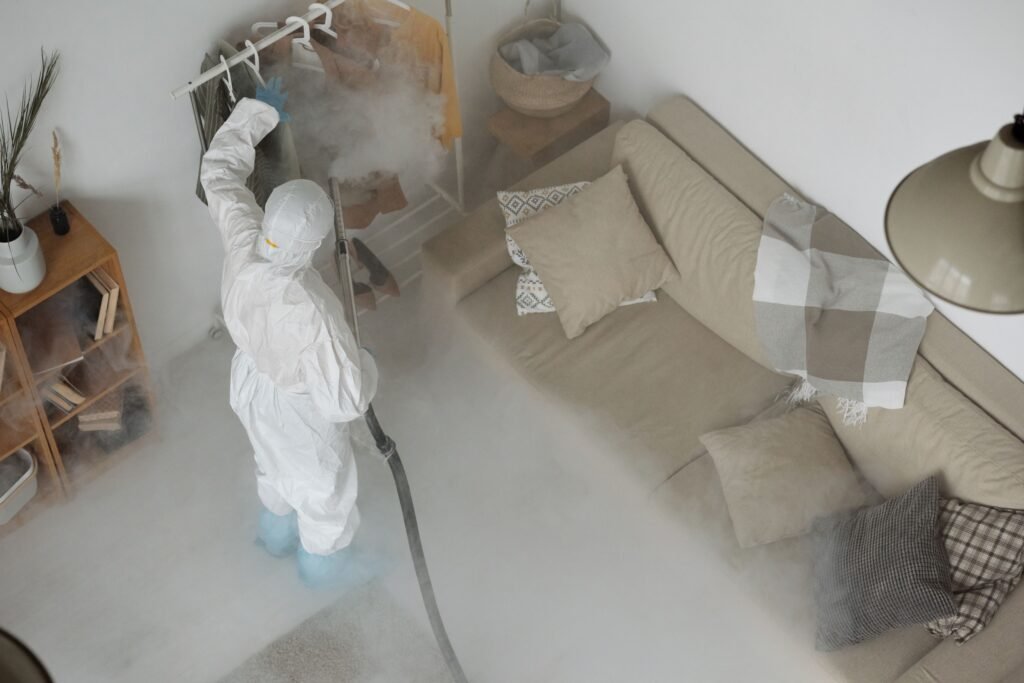
Pests respond to changes in temperature, rainfall, food availability, moisture, and shelter.
Warm conditions generally increase insect movement and reproduction. Heavy rain can create standing water, soften soil, or push insects away from saturated outdoor nesting areas. Dry periods may encourage pests to move closer to buildings in search of water.
When cooler weather arrives, rodents, spiders, cockroaches, and other pests may enter protected areas of a home. Attics, garages, crawl spaces, utility rooms, and wall voids can provide more stable conditions than the outdoors.
This means pest prevention should change with the season while continuing throughout the year.
Spring: Inspect for Moisture, Termites, and Emerging Insects
Spring is one of the most important times to inspect a property. Warmer temperatures and increased moisture can contribute to greater activity from termites, ants, mosquitoes, and other insects.
Watch for Termite Warning Signs
Subterranean termites often remain hidden in soil, wood, and structural spaces. Homeowners may first notice evidence during a swarm, when winged reproductive termites leave an established colony.
Possible warning signs include:
- Discarded wings near doors or windows
- Mud-like tubes along foundations or supports
- Wood that sounds hollow when tapped
- Soft or damaged baseboards
- Unexplained changes in flooring
- Winged insects appearing indoors
- Damage around crawl spaces or wooden supports
Finding swarmers outdoors does not automatically prove that a structure is infested. Indoor swarmers or wings concentrated around interior windows deserve closer attention.
Check the Property After Winter
Winter weather can affect door seals, window screens, siding, roof edges, foundation materials, and utility openings.
A spring inspection should include:
- Foundation cracks
- Gaps around pipes and cables
- Damaged crawl-space vents
- Loose siding
- Torn screens
- Openings around doors
- Roof and soffit damage
- Deteriorated exterior sealant
Small gaps may be enough for ants, cockroaches, spiders, mice, and other pests to enter.
Correct Drainage and Moisture Problems
Spring rain can reveal drainage weaknesses around a property.
Gutters should remain clear, and downspouts should direct water away from the foundation. Outdoor faucets, plumbing lines, air-conditioning drainage, and irrigation systems should be checked for leaks.
Moisture does not automatically cause an infestation, but it can make an area more attractive to termites, cockroaches, mosquitoes, ants, and rodents.
Homeowners noticing repeated activity may benefit from professional pest control in Chattanooga before seasonal pest populations become more established.
Summer: Reduce Mosquitoes and Outdoor Pest Activity
Summer brings more opportunities for outdoor activity, but it can also increase contact with mosquitoes, ants, flies, stinging insects, ticks, and other pests.
Remove Standing Water
Mosquitoes require water during their early development. The source is not always a pond or large drainage area. Small household items can hold enough water to become potential breeding sites.
Homeowners should inspect:
- Buckets
- Plant saucers
- Birdbaths
- Children’s toys
- Wheelbarrows
- Tarps
- Pet bowls
- Clogged gutters
- Trash can lids
- Unused containers
- Low areas in the yard
Items that are not needed should be emptied, covered, turned over, or stored under shelter.
The EPA recommends eliminating standing water from gutters, buckets, covers, birdbaths, fountains, pools, and plant trays as part of a preventive pest-management strategy.
Maintain Vegetation Around the Home

Dense vegetation can retain moisture, block airflow, hide structural gaps, and provide sheltered areas for insects.
Shrubs and branches should be trimmed away from exterior walls where practical. Grass, weeds, and leaf litter should not be allowed to conceal the foundation.
Tree limbs touching the roof may also provide access for rodents and wildlife.
Maintaining a visible space around the home makes it easier to detect:
- Ant trails
- Foundation openings
- Rodent burrows
- Termite tubes
- Wasp activity
- Drainage issues
- Damaged siding
Inspect for Stinging Insects
Wasps, hornets, and other stinging insects may nest under roof edges, inside wall openings, beneath decks, in sheds, or within ground cavities.
Repeated insect movement into the same opening may indicate a concealed nest. Homeowners should avoid blocking an active opening without first determining where the insects are nesting, as this may cause them to search for another route.
Professional assistance is appropriate when a nest is concealed, difficult to reach, unusually large, or located near an entrance or frequently used outdoor area.
Fall: Prevent Rodents from Moving Indoors
As outdoor temperatures decline, rats and mice may search for protected nesting areas.
A home can provide warmth, food, water, and materials for building nests. Rodents may settle in attics, garages, crawl spaces, storage rooms, and wall voids before homeowners realize they are present.
Inspect From the Foundation to the Roof
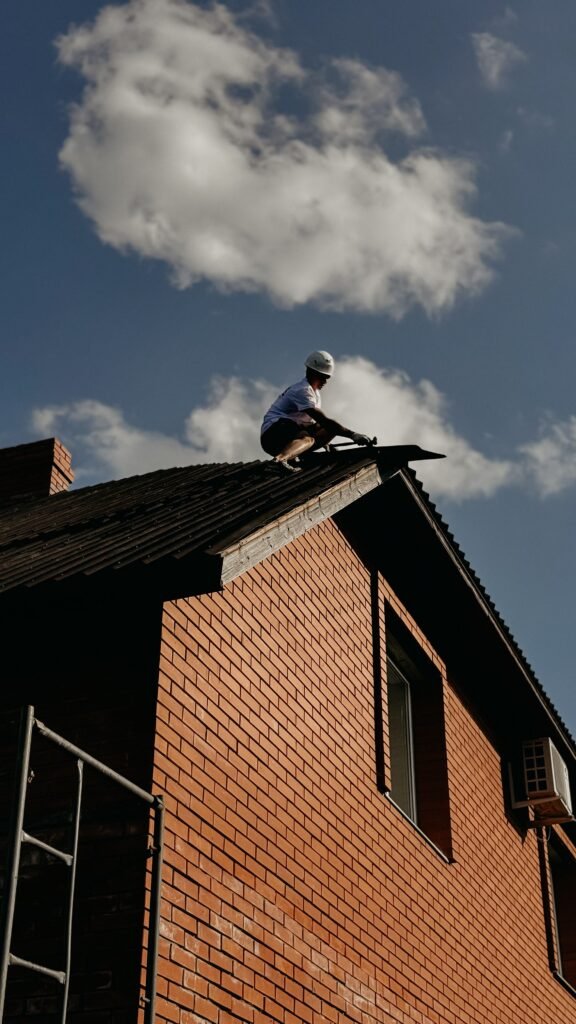
Rodents do not enter only at ground level. They may use trees, fences, utility lines, porches, or attached structures to reach upper openings.
Common access points include:
- Gaps around utility lines
- Damaged foundation vents
- Openings beneath doors
- Garage door corners
- Roof and soffit damage
- Unscreened attic vents
- Loose siding
- Crawl-space access panels
- Openings around plumbing
- Gaps beneath porches
Repairs should use materials suitable for the location. Temporary materials that can be moved or gnawed may not provide lasting exclusion.
Reduce Food and Nesting Materials
Rodents may be attracted by:
- Birdseed
- Pet food
- Livestock feed
- Unsecured garbage
- Fallen fruit or nuts
- Outdoor cooking residue
- Cardboard boxes
- Paper and fabric
- Cluttered storage areas
Food and seed should be stored in secure containers rather than open bags. Pet food should not remain outdoors overnight.
Garages, attics, and sheds should be organized so that floors and walls remain visible enough to inspect.
Recognize Early Rodent Evidence
Warning signs can include:
- Droppings
- Gnaw marks
- Damaged food packages
- Scratching sounds
- Shredded paper or insulation
- Greasy marks along walls
- Unusual odors
- Disturbed attic insulation
Removing one rodent does not solve the problem if the entry point remains open.
Winter: Monitor Protected Indoor Areas
Winter may reduce visible outdoor insect activity, but it can increase the importance of indoor monitoring.
Heated buildings, wall spaces, basements, attics, and garages may provide enough protection for rodents, cockroaches, spiders, and other pests to remain active.
Inspect Quiet and Infrequently Used Areas
Homeowners should periodically inspect:
- Guest rooms
- Closets
- Attics
- Basement storage
- Utility rooms
- Garages
- Cabinets
- Areas beneath appliances
Look for droppings, damaged packaging, dead insects, shed skins, webbing, gnaw marks, or disturbed materials.
Seasonal decorations should be inspected before they are brought into living spaces and again before they are returned to storage.
Check Doors and Windows for Gaps
Cold drafts can reveal the same gaps pests may use to enter.
Inspect:
- Door sweeps
- Weatherstripping
- Window seals
- Basement windows
- Garage doors
- Utility penetrations
Visible light around a closed door often indicates that the perimeter is not fully sealed.
Correcting these gaps can improve indoor comfort while reducing pest access.
Focus on Food, Water, Shelter, and Access
Effective prevention is based on understanding what pests need to survive.
The EPA’s integrated pest-management approach emphasizes removing food, water, and shelter, reducing clutter, sealing entry points, maintaining clean food-storage areas, removing standing water, and monitoring the results.
Homeowners can apply these principles throughout the property.
Food
- Store dry goods in closed containers.
- Clean crumbs and spills promptly.
- Remove garbage regularly.
- Clean beneath appliances.
- Avoid leaving pet food exposed overnight.
- Secure birdseed and animal feed.
Water
- Repair plumbing leaks.
- Check outdoor faucets.
- Remove standing water.
- Keep gutters clear.
- Correct drainage beside the foundation.
- Monitor condensation around pipes and appliances.
Shelter
- Reduce cardboard clutter.
- Organize garages and attics.
- Remove unnecessary outdoor debris.
- Trim dense vegetation.
- Keep firewood away from exterior walls.
- Inspect crawl spaces and sheds.
Access
- Seal utility openings.
- Repair screens.
- Replace damaged door sweeps.
- Cover vents appropriately.
- Repair roof and soffit damage.
- Close foundation and siding gaps.
Addressing all four categories usually produces better results than relying on treatment alone.
Why Reactive Pest Treatment May Not Be Enough
Reactive pest control begins after pests become visible.
This can be appropriate for isolated problems, but recurring activity usually indicates that another condition remains unresolved.
For example:
- Removing visible ants may not affect the colony.
- Trapping one mouse does not close its entry point.
- Treating adult mosquitoes does not remove breeding water.
- Removing a wasp nest does not repair the opening that supported it.
- Spraying cockroaches does not correct a plumbing leak or food source.
A more complete approach includes:
- Correctly identifying the pest.
- Locating entry points or nesting areas.
- Removing accessible food and water.
- Correcting moisture and structural problems.
- Applying an appropriate treatment when necessary.
- Monitoring the property for renewed activity.
This is the basis of preventive pest management.
When Professional Assistance Is Appropriate
Household maintenance can reduce many pest risks, but some situations require professional evaluation.
Homeowners should consider requesting assistance when:
- Pests repeatedly return
- The source cannot be identified
- Termite warning signs appear
- Rodents are active inside walls or ceilings
- Several rooms are affected
- A nest is concealed or inaccessible
- Structural damage is visible
- The pest cannot be identified confidently
- Household treatments have not worked
- Wildlife has entered an attic or crawl space
A professional inspection can determine whether visible activity is isolated or connected to a larger infestation.
Build a Simple Year-Round Prevention Schedule
A prevention plan does not need to be complicated.
Monthly
- Check kitchens and bathrooms for leaks.
- Inspect food-storage areas.
- Remove standing water.
- Look for droppings and gnaw marks.
- Clean garbage and recycling areas.
- Record unusual pest activity.
Every Three Months
- Inspect doors and windows.
- Check the foundation and utility openings.
- Clean gutters and drainage areas.
- Trim vegetation away from the structure.
- Review garages, attics, and crawl spaces.
- Examine exterior vents and roof edges.
Annually
- Review recurring problem areas.
- Arrange termite or structural pest inspections where appropriate.
- Correct long-term drainage problems.
- Replace damaged weatherstripping and screens.
- Update the prevention plan after renovations or landscaping changes.
Professional preventive pest control in Chattanooga can supplement this maintenance by monitoring activity, identifying seasonal risks, and responding before smaller problems become established infestations.
Consistency Provides Better Long-Term Protection
Pest pressure changes with Chattanooga’s seasons, but it rarely disappears completely.
Spring moisture can increase termite and insect activity. Summer supports mosquitoes, ants, and outdoor pests. Fall encourages rodents to seek shelter, while winter shifts attention toward indoor and concealed spaces.
The most effective strategy combines routine inspection, sanitation, moisture correction, exclusion, monitoring, and properly selected treatment.
Bug Busters has served customers in the Southeast since 1984 and provides residential and commercial pest, termite, mosquito, bed bug, rodent, and wildlife services through its Georgia and Tennessee locations, including its Chattanooga office.
By making pest prevention part of regular property maintenance, Chattanooga homeowners can detect problems earlier and reduce the conditions that allow pests to return.