A long-lasting roof isn’t luck. It’s the outcome of consistent maintenance, smart material choices, and understanding how weather, age, and installation quality shape performance over time. Most homeowners don’t think about their roof until something goes wrong, but the truth is simple: if you treat it as part of your home’s long-term health strategy, it will give you decades of reliability. This guide breaks down the practical steps, real maintenance habits, and structural insights that keep a roof strong, stable, and durable far beyond the typical lifespan.
Why Roof Longevity Starts With the Right Foundation
The lifespan of a roof begins long before the first shingle touches the deck. Everything starts with the structure beneath, the quality of ventilation, the choice of underlayment, and the skill of the professionals handling the job. Homeowners who invest time into understanding their roof’s foundation make better decisions and avoid shortcuts that cause expensive problems years later.
Proper Installation Determines Everything
Poor installation is one of the leading causes of roof failure. Even the best materials can’t perform if they’re installed incorrectly, misaligned, or not properly sealed against weather exposure. This is where working with specialists such as a Brooklyn NY Roofing Contractor becomes valuable. Precision matters from fastening patterns to flashing placement to how each valley or ridge is sealed. A roof built with attention to detail resists leaks, stays structurally intact, and weathers storms without rapid deterioration.
Ventilation and Insulation Keep Your Roof Alive
Roofs fail from the inside out more often than the outside in. Without balanced airflow in the attic, heat and moisture get trapped, causing rot, mold, and premature shingle curling. Proper insulation supports this system by preventing warm indoor air from rising into the attic and condensing. Maintaining this balance ensures that your roof ages evenly rather than burning out early due to hidden structural stress.
Choosing the Right Materials for Long-Term Durability
Material choice influences everything from energy efficiency to weather resistance to long-term repair costs. Homeowners often pick materials based purely on appearance or price, but durability depends on deeper factors like climate, UV exposure, surrounding tree coverage, and local temperature shifts.
Asphalt Shingles: Still the Most Popular for a Reason
Asphalt shingles remain popular because they blend cost-effectiveness with high performance in most climates. Modern architectural shingles last far longer than older 3-tab versions, resist wind and hail better, and offer improved protection against moisture penetration. Regular inspections and timely replacements of damaged shingles can easily push their lifespan past 25 years.
Metal Roofing: Exceptional Longevity and Strength
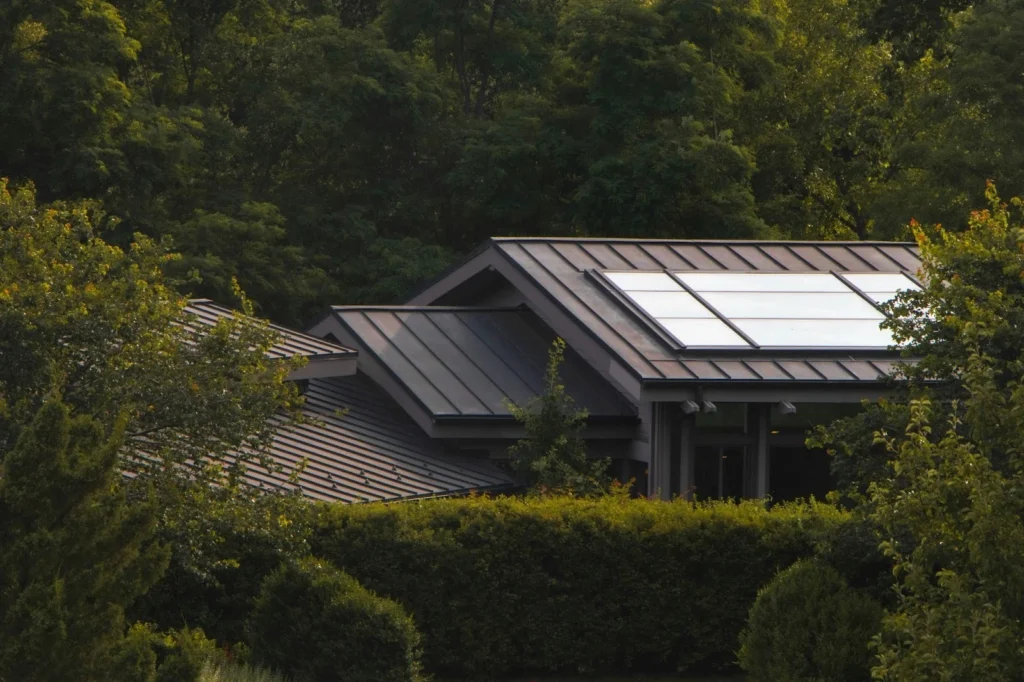
Metal roofs have become increasingly common due to their long lifespan, durability, and resistance to extreme weather. They’re lightweight, fire-resistant, and excellent at reflecting heat, which helps reduce cooling costs. When installed correctly, a metal roof can last 40 to 70 years with minimal maintenance. They’re ideal for homeowners who want long-term security without frequent replacements.
Tile and Slate: High-End Materials With Centuries of Performance
Clay tile and natural slate roofs last decades even generations when they’re installed on a strong structural frame. They resist UV damage, don’t rot, and maintain stability in harsh weather. While the upfront cost is higher, their longevity makes them one of the strongest lifetime investments a homeowner can make.
Preventative Maintenance That Extends Roof Life
Most roof damage starts small. A few loose shingles, a small flashing gap, a clogged gutter these little issues compound over time and turn into major failures. Preventative maintenance is the difference between a roof that lasts 20 years and one that lasts 40 or more.
Schedule Annual Roof Inspections
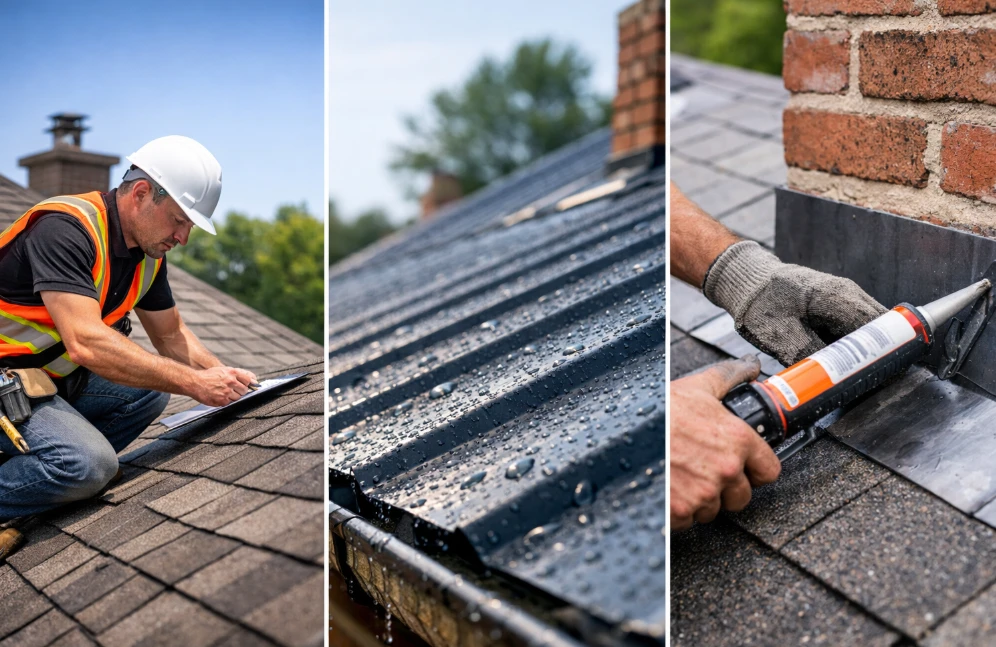
Annual inspections catch small issues before they grow. Professionals look for granule loss, soft spots, loose flashing, lifted shingles, and early signs of moisture intrusion. This is also the best time to verify the integrity of the attic ventilation system. Whether you rely on a Brooklyn NY Roofing Contractor or a qualified roofing technician in your area, a thorough inspection once or twice per year is the smartest long-term habit you can adopt.
Clean Gutters and Downspouts Regularly
Water that can’t drain properly will back up beneath shingles, rot fascia boards, and weaken the roof edge. Cleaning gutters twice a year typically in late fall and early spring prevents overflow and keeps water flowing where it belongs. Homes surrounded by trees may need more frequent cleanings to prevent debris buildup.
Trim Overhanging Branches
Branches hanging over your roof drop leaves, needles, sap, and seeds. They scrape shingles on windy days, and in storms they can break and cause serious damage. Keeping branches trimmed back reduces wear and tear and limits the moisture that collects on your roof surface.
Address Minor Damage Immediately
Small cracks in flashing, a loose shingle after a storm, or a tiny leak in the attic shouldn’t wait. Roof problems don’t fix themselves they grow. Fast repairs save thousands in future replacement costs and keep the roof structure sound.
Weatherproofing for Maximum Protection
Your roof faces constant exposure to sun, rain, wind, snow, and changing temperatures. Weatherproofing strengthens its defenses, especially in regions with unpredictable seasonal shifts.
Reinforce Flashing Around Vulnerable Areas
Flashing protects the joints where surfaces meet: chimneys, vents, skylights, and roof valleys. These are the first areas to leak during storms. High-quality flashing, sealed correctly, blocks moisture intrusion and prevents structural rot.
Upgrade Underlayment for Better Moisture Defense
The underlayment is the hidden layer that protects the deck if shingles blow off or fail temporarily. High-performance synthetic underlayments last longer and resist water better than traditional felt. This extra layer of protection helps your roof withstand extreme weather events without suffering long-term damage.
Seal the Roof Edge Against Wind Lift
The edges of your roof face the strongest wind forces. Sealing and reinforcing these sections prevents wind uplift, which can break the roof’s watertight barrier. This structural reinforcement dramatically increases resilience during storms.
Smart Habits That Keep Your Roof Strong for Years
Roof longevity isn’t just about inspections and materials it’s also about adopting smart habits that reduce friction, weight, and environmental strain.
Avoid Walking on the Roof
Every step compresses shingles and weakens their protective granule layer. Unless absolutely necessary, leave walking on the roof to professionals.
Manage Moss and Algae Growth
Moss traps moisture, lifting shingles and weakening their adhesion. Algae streaks aren’t usually harmful but indicate excess moisture. Applying safe roof treatments or installing algae-resistant shingles keeps the surface clean and stable.
Improve Attic Airflow and Temperature Balance
Preventing heat buildup protects the roof from inside degradation. Maintaining airflow ensures your insulation stays dry, your deck remains solid, and your roof wears evenly across all seasons.