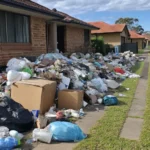
In today’s world, electronic devices play a central role in daily life. From smartphones and laptops to televisions and kitchen appliances, we rely on technology for communication, work, entertainment, and convenience. As a result, old or broken electronics accumulate quickly, creating a growing problem known as electronic waste or e-waste. Proper disposal and recycling of e-waste is essential for environmental protection, resource conservation, and human health. This guide explains how to safely dispose of electronics and why recycling e-waste is more important than ever.
The Problem of E-Waste
E-waste refers to any discarded electrical or electronic device. This includes computers, mobile phones, printers, televisions, gaming consoles, and even household appliances such as refrigerators and washing machines. E-waste is one of the fastest growing waste streams globally, driven by rapid technological advances and consumer demand for the latest devices.
When electronics are thrown into general waste, they often end up in landfills. Here, hazardous materials such as lead, mercury, cadmium, and brominated flame retardants can leach into soil and groundwater. These substances pose serious risks to the environment and human health. Contamination of water and soil affects ecosystems, harms wildlife, and can contribute to health problems for communities living near landfill sites.
Why Recycling E-Waste Matters
Recycling electronics is not just about preventing pollution. It also allows valuable resources to be recovered and reused. Modern electronics contain precious metals such as gold, silver, copper, and palladium. Recovering these materials reduces the need for mining, which is energy intensive and environmentally damaging.
Additionally, recycling reduces the volume of waste sent to landfill, conserving space and minimising the environmental footprint of our consumption. Proper recycling also supports the development of a circular economy where materials are continually repurposed, helping to build a more sustainable future.
Safe Methods for Disposing of E-Waste
Disposing of electronics safely requires more than simply placing them in a bin. There are several approaches that help protect the environment and comply with Australian regulations.
1. Return to Retailers
Many electronics retailers in Australia offer take back programs. These programs allow customers to return old devices when purchasing new ones or at dedicated drop off points. Retailers then ensure the devices are recycled properly. Brands such as Apple, Samsung, and Dell provide recycling options for their products, accepting items even if they are no longer functional.
2. Local Council Collection Services
Many local councils run e-waste collection programs. These services provide a convenient way to dispose of small and large electronics safely. Councils often organise collection events where residents can drop off old electronics free of charge. Information about these programs can be found on local council websites or by contacting council offices directly.
3. Accredited E-Waste Recycling Centres
Australia has a network of accredited e-waste recycling centres that comply with environmental standards. These centres dismantle electronics, sort components, and process materials to recover metals, plastics, and other reusable substances. Using accredited recyclers ensures that hazardous materials are handled safely and responsibly. Searching for a recycler through official directories helps ensure your e-waste is processed correctly.
4. Donate or Repurpose
If electronics are still functional, donating them can extend their life and reduce waste. Schools, charities, and community organisations often accept computers, tablets, printers, and other devices. Repurposing old electronics for personal projects, such as using a tablet as a digital photo frame or a computer as a media server, is another way to reduce e-waste.
Precautions When Recycling Electronics
Before recycling or donating electronics, certain precautions should be taken to protect personal information and ensure safety.
Data Removal
Many electronic devices store sensitive data such as passwords, financial information, and personal photos. It is essential to wipe all data before disposal. For computers and laptops, use certified data erasure software or restore the device to factory settings. Mobile phones should have all accounts signed out, storage wiped, and SIM cards removed.
Remove Batteries
Some electronics contain removable batteries that require separate disposal. Lithium ion batteries, commonly found in smartphones, laptops, and power tools, can be hazardous if damaged or exposed to heat. Many retailers and recycling centres accept batteries for safe processing. Never dispose of batteries in general waste.
Handle Hazardous Materials Carefully
Certain electronics contain hazardous substances that require careful handling. Televisions, monitors, and fluorescent lamps contain mercury, while older devices may contain lead in solder or cathode ray tubes. Avoid breaking these components and ensure they are delivered to a facility capable of processing hazardous materials safely.
The Role of Government Regulations
Australia has strict regulations surrounding e-waste disposal and recycling. The National Television and Computer Recycling Scheme provides a framework for responsible recycling of televisions, computers, and computer products. Under this scheme, participating manufacturers and importers are responsible for financing and providing collection and recycling services.
State and territory governments also have legislation and programs to manage e-waste safely. Familiarising yourself with these rules ensures that you comply with the law and contribute to environmental protection.
Environmental Benefits of Recycling E-Waste
Proper e-waste recycling prevents toxic substances from entering the environment, protecting water, soil, and air quality. It reduces the need for raw material extraction, conserving natural resources and energy. Recycling metals and plastics from electronics decreases greenhouse gas emissions associated with manufacturing new products.
Furthermore, responsible recycling reduces the volume of waste in landfills, helping communities manage space and waste effectively. It also fosters a culture of sustainability, encouraging individuals and businesses to make environmentally conscious choices.
Conclusion
Recycling electronics is an essential part of responsible modern living. With the rapid pace of technological change, old and unused devices accumulate quickly, creating both environmental and health challenges if not disposed of correctly. By using retailer take back programs, local council collection services, accredited recyclers, or donating functional devices, Australians can ensure e-waste is handled safely.
Taking precautions such as removing data, handling hazardous materials carefully, and separating batteries further protects both personal information and the environment. Recycling electronics reduces pollution, conserves valuable resources, and supports a circular economy.
In short, safe disposal of e-waste is not just an individual responsibility, it is a critical step towards a more sustainable future. Every device recycled correctly helps reduce the environmental footprint of technology, protects human health, and contributes to the preservation of resources for future generations. Embracing responsible e-waste practices ensures that electronics continue to serve society without causing harm to the planet.