Natural materials in interiors no longer feel like a niche choice for eco-geeks. That’s why designers so often choose sisal grasscloth wallpaper when they work with warm, tactile, sustainable spaces. It gives walls a cozy texture and at the same time supports a more conscious lifestyle.
What these wallcoverings actually are
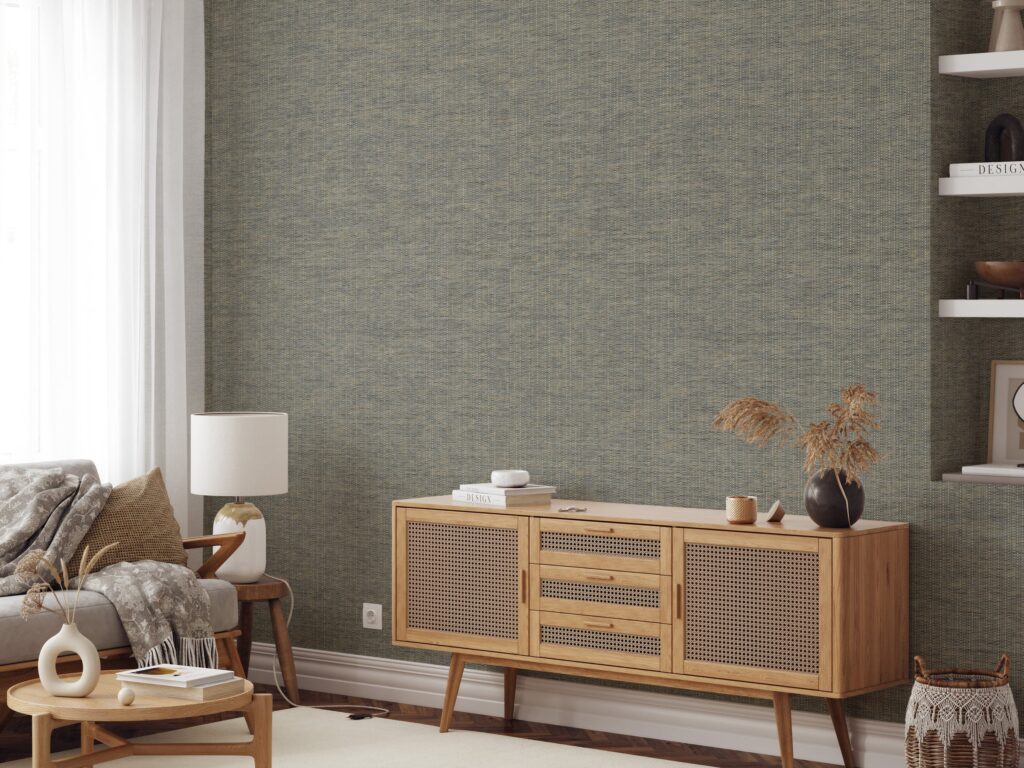
Sisal comes from the leaves of the agave plant. For decades people have used this fiber for ropes, rugs and mats because it’s strong and wear-resistant. When it is woven into grasscloth, the surface becomes textured. You can see tiny knots, threads and natural color shifts.
Light falls on the weave and changes it slightly during the day, so even a simple beige room gains more depth.
Why these wallcoverings fit the eco trend
If you try to live more consciously, you probably think about what you bring into your home, not only how it looks. Sisal helps on several levels. The plant renews quite fast, and the fibers are plant-based and can decompose, unlike many synthetic coatings.
Many quality products use water-based dyes and low-VOC glues, which means fewer harmful emissions in the air you breathe every day. For families with kids or people sensitive to strong smells, this is a big advantage. After installation there is usually no strong “chemical” smell. You may notice a light natural scent at first, and it fades quickly.
Key benefits of this material
- cozy, tactile look with visible woven texture;
- ability to hide small wall imperfections thanks to the natural weave;
- plant-based composition that supports eco-focused interiors;
- warmer and “softer” feeling compared with many smooth paint or vinyl finishes.
Where this finish works best
You don’t have to cover the whole apartment. Designers often use natural grasscloth:
- in living rooms, behind the sofa or TV zone;
- in bedrooms on the wall behind the headboard;
- in dining areas, especially with wooden tables and chairs;
- in home offices, where calm natural tones help you focus.
In kitchens and bathrooms it needs a bit more care. You keep it away from direct water and heavy steam and make sure the room has proper ventilation. Constant moisture can damage the fibers and glue, so people usually combine grasscloth with tiles or paint in “wet” zones.
How to choose the right wallcovering
When you open a catalog, the choice can feel overwhelming. You see fine and coarse weaves, dozens of colors and different backings. A good wallpaper store Los Angeles or any specialist showroom usually offers samples. It really helps to see and touch them before you buy.
Fine weave looks calmer and more minimal, while a coarse weave creates a stronger statement and works well on accent walls. Classic colors include sand, beige, straw and taupe. Deeper shades like olive, charcoal or inky blue suit moodier, more dramatic interiors.
Backing also matters. Paper or non-woven backing makes installation easier and more stable. Professional installers usually prefer this type. For homes with kids or pets, darker or slightly mottled colors hide small marks better than flat, very light tones.
Everyday care and maintenance
These wallcoverings don’t demand complicated care routines, but they still behave like a woven surface, not tile or plastic. Simple habits keep them in good shape for years:
- vacuum gently with a soft brush attachment to remove dust;
- clean fresh, dry stains carefully with a cloth, without soaking the material;
- avoid aggressive chemical cleaners and too much water on the surface.
If you know a wall will “live a tough life” — for example, near a kids’ play area, bikes or pet beds — choose a more practical finish there. Use this material on calmer walls instead.
When this material might not suit your home
People who want perfectly smooth, washable walls that you can scrub hard may feel disappointed. Frequent repainting also doesn’t work well with grasscloth, because you can’t just roll a new layer of paint on top.
Homes with constant high humidity and no proper ventilation create problems for any natural fiber. In rental apartments, you often need something cheap and temporary. In this case, simple paint or basic non-woven wallpaper works better.
A natural step toward a calmer home
Natural sisal wallcoverings show that eco design goes deeper than a few plants on the windowsill. This material brings texture, depth and a gentle, relaxed mood into any interior.
If you want your space to feel more natural but still modern, plant-based grasscloth is a great option. Choose a color you like and a weave that fits your style. The natural fibers help create a calm home where it’s easier to relax and feel comfortable.