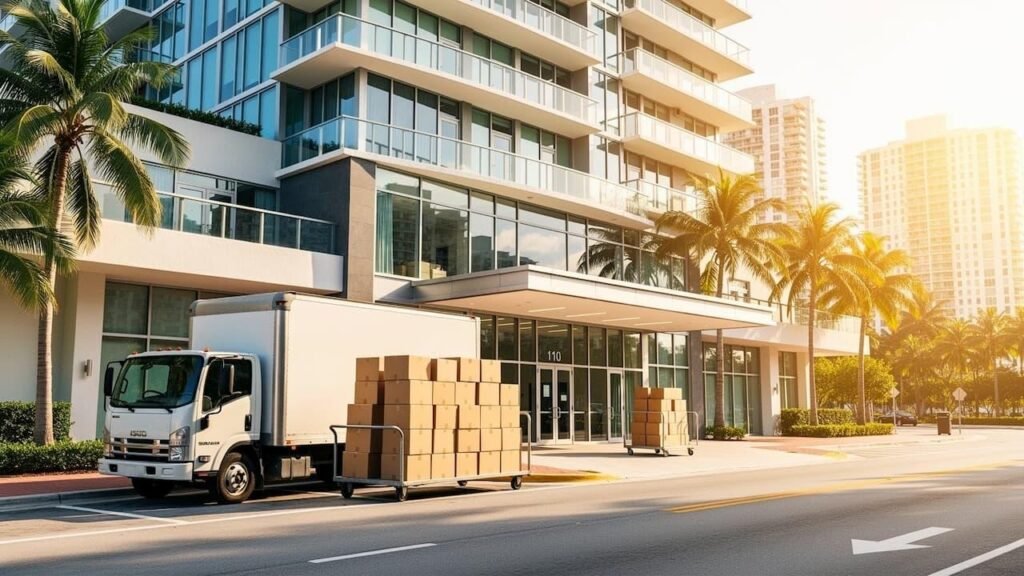
Moving is already a little chaotic. Moving in Miami adds a few “bonus features”: humidity that makes cardboard feel like it’s sweating, traffic that treats your schedule as a suggestion, and building rules that can turn “quick unload” into a polite standoff with a front desk. The good news: with a smart plan (and a few reality-based expectations), you can make the whole thing feel more like a controlled operation and less like a sitcom episode.
If you’re starting from scratch, it helps to know what good Miami movers actually do well here: timing, building coordination, protecting floors/walls, and keeping your move from turning into an all-day endurance sport. Let’s get into the practical stuff that makes the biggest difference.
1) Miami’s #1 moving challenge isn’t distance — it’s friction
A ten-mile move can take longer than a fifty-mile move when your day includes: finding parking, waiting for an elevator, doing paperwork, and navigating narrow hallways while trying not to clip a wall with a sofa corner.
Here’s what “friction” looks like in Miami:
- High-rise logistics: elevator reservations, loading dock access, time windows, and “only these doors” rules.
- Traffic + peak hours: a short drive can balloon if you hit the wrong window (or the wrong bridge).
- Weather: heat and pop-up rain change everything—especially if you’ve got fabric furniture, mattresses, or electronics.
- Building protections: many properties require hallway padding, floor runners, and careful handling—meaning slower but safer movement.
How to reduce friction: treat your move like an appointment-heavy day, not a simple pickup-and-drop. Confirm building requirements early, schedule strategically, and don’t assume you can “figure it out on the spot.” That’s how moves become twelve-hour marathons.
2) The high-rise and condo checklist: what to confirm before moving day
If you’re moving into or out of a condo or managed building, you can save hours by getting answers to a few questions up front. The trick is to ask before you have a truck idling outside.
Here’s the checklist that actually matters:
- Do I need to reserve the service elevator?
Many buildings require a reservation and limit move times. If you miss your window, you’re not “late,” you’re “rescheduled.” - Is there a loading dock, and how do we access it?
Some docks require a fob, a code, or staff access. - Are there insurance requirements (COI)?
Some buildings want a Certificate of Insurance from the moving company. This can take time to process. - What protection is required for hallways and elevators?
You may need pads, runners, or elevator blankets. (A professional crew typically comes prepared, but building expectations vary.) - What are the move-in/move-out hours?
Weekends, holidays, and after-hours rules can be surprisingly strict. - Where can the truck park legally?
This is huge. Getting ticketed or forced to move the truck mid-load is the kind of chaos nobody needs.
When you’re working with experienced local movers in Miami, they’ll usually help you think through these details because they’ve seen every version of “the front desk says no.” But you still want to do your part: make the calls, get the approvals, and keep receipts/emails handy.
3) Heat and humidity change how you should pack (seriously)
In a drier climate, you can get away with more. In Miami, heat and humidity expose weak packing choices fast.
A few reality checks:
- Cardboard softens.
If boxes sit in a humid space, they lose rigidity. Avoid overloading, especially for books and dishes. - Plastic can trap moisture.
Wrapping items airtight when they’re even slightly damp can create that “mystery smell” later. - Electronics hate temperature swings.
Try to keep sensitive electronics in climate-controlled spaces as long as possible. - Rain happens.
“It looks fine” is not a forecast.
Practical packing tips that hold up in South Florida:
- Use smaller boxes for heavy items (books, tools, kitchen appliances). Your back will thank you.
- Double-tape the bottom of boxes and consider plastic bins for items that can’t get wet.
- Bag soft goods (linens, clothes) in heavy-duty bags inside boxes if you expect any exposure.
- Keep a “humidity-risk” tote for documents, photos, candles, cosmetics, and anything that melts, warps, or absorbs moisture.
- Label boxes by room + priority (“Kitchen – Open First,” “Bedroom – Night 1”). Labeling isn’t cute. It’s survival.
And if you’re packing yourself, start earlier than you think. Miami moves punish last-minute packing because rushing leads to poorly sealed boxes, mixed rooms, and “where did the screws go?” moments.
4) A realistic moving-day timeline that doesn’t rely on miracles
A good timeline isn’t optimistic; it’s honest. The most common moving-day failure is assuming everything will go perfectly and quickly. Instead, build in buffers like you’re planning for a flight.
Here’s a realistic framework:
7–10 days out
- Confirm building rules, elevator reservations, COI requirements
- Decide what won’t be moved (trash, donate, sell)
- Order supplies or schedule packing help
3–5 days out
- Pack non-essentials
- Set aside essentials (work laptop, chargers, meds, toiletries)
- Confirm parking/loading plan at both addresses
1 day out
- Pack a “first night kit”: bedding, towels, a change of clothes, basic kitchen items
- Charge devices, locate keys/fobs, print any building confirmations
- Do a quick walk-through: photograph fragile/high-value items for peace of mind
Moving morning
- Eat. Hydrate. (You can’t brute-force Miami heat on vibes alone.)
- Clear pathways and protect floors if needed
- Keep your phone accessible—building staff may call you
A pro tip that feels obvious only after you suffer: don’t schedule anything important after your move. Not a dinner reservation, not a contractor, not “I’ll just hop on a quick Zoom.” Moves run long. Plan accordingly.
5) How to choose movers in Miami without getting burned
Miami has plenty of moving options, which is great—until you realize the range includes everything from “highly organized professionals” to “two guys and a rental truck who may or may not answer their phone tomorrow.”
A few green flags:
- Clear written estimates that explain what’s included (labor, travel time, stairs, packing materials, etc.)
- Transparent policies on rescheduling, delays, and cancellations
- A plan for protection (pads, wrap, floor runners when needed)
- Good communication before moving day (confirmations, building coordination, arrival window)
And a few red flags:
- Vague pricing or “we’ll figure it out when we arrive”
- No discussion of building rules (a sign they haven’t done many condo/high-rise moves)
- Pressure tactics or weird deposit demands without paperwork
- Unrealistically low quotes that don’t match the scope (often followed by surprise charges)
If you want a baseline example of what a well-structured moving operation looks like—especially for Miami’s condo-heavy, logistics-heavy environment—you can look at how QShark Moving Company presents its services and local coverage. Even if you’re still comparing options, it helps to see what “organized and Miami-aware” looks like.
Conclusion: the secret to a smooth Miami move is boring preparation
The best moves aren’t dramatic—they’re almost dull. Truck arrives. Elevator reserved. Boxes labeled. Nothing gets soaked. Nobody has to sprint across a lobby begging for dock access. That kind of smooth is earned through prep, realistic timing, and choosing help that understands Miami’s particular brand of moving-day friction.
So if you take only one thing from this: plan for the building rules and the weather first. Everything else—packing, loading, traffic—gets easier when the “Miami-specific” obstacles are already handled. And then you can do what you actually want to do after a move: find your coffee maker, locate your pillows, and enjoy the fact that you don’t have to carry a couch ever again.