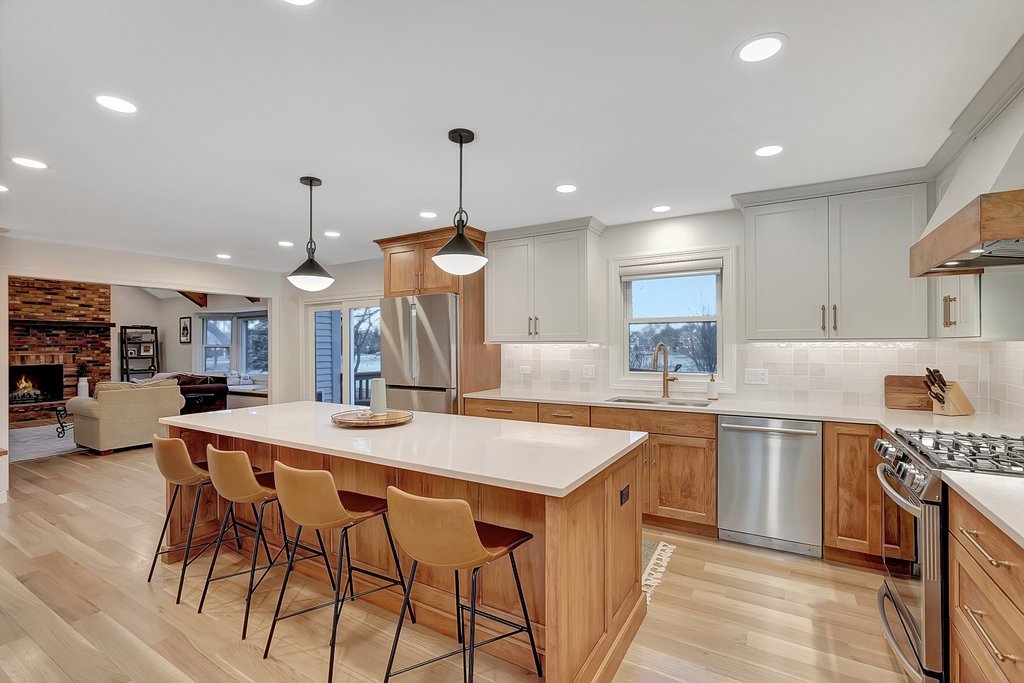
If you’ve ever felt frustrated while cooking because you had to cross the room just to grab a pot or reach for a cutting board, you’re not alone. The way your kitchen is laid out plays a huge role in how smoothly you can move, prep, and cook. Whether you’re designing a brand-new kitchen or simply daydreaming about a remodel, understanding the best kitchen layouts for workflow efficiency can make all the difference.
Let’s explore the most popular kitchen layouts that are known for making cooking easier, faster, and a lot more enjoyable. We’ll also talk about something called the “kitchen work triangle” and how to make your space work for you, not the other way around.
Why Kitchen Layout Matters
A kitchen isn’t just about beautiful cabinets and trendy backsplashes. It’s a space where functionality should come first. The right layout minimizes wasted steps, prevents clutter buildup, and helps you get more done with less hassle.
Whether you’re cooking a weeknight meal or hosting a holiday dinner, your kitchen should feel like a helpful partner, not an obstacle course. And that starts with choosing a layout that supports the natural flow of cooking.
Understanding the Kitchen Work Triangle
Before we dive into specific layouts, let’s talk about the “kitchen work triangle.” It’s a basic design concept that connects the three main work areas:
- The refrigerator – where you store food.
- The sink – where you wash and prep.
- The stove – where you cook.
When these three points are placed efficiently, neither too far apart nor too close together, moving between them becomes seamless. It reduces unnecessary steps and keeps your workflow smooth.
Now that we’ve got that in mind, let’s explore different layouts that naturally support this kind of flow.
1. The Galley Kitchen: Small Space, Big Efficiency
Best for: Smaller homes, apartments, or minimalist cooks.
The galley kitchen, also known as a corridor kitchen, has two parallel countertops with a walkway in between. It’s one of the most efficient layouts because everything is within reach. You can easily pivot between the stove, sink, and fridge without moving your feet much.
Pros:
- Great for tight spaces.
- Excellent workflow due to its compact design.
- Easy to keep clean and organized.
Cons:
- Limited space for more than one cook.
- Can feel narrow or cramped if not designed well.
If you’re short on space but want big performance, a galley kitchen can really deliver.
2. The L-Shaped Kitchen: Flexible and Functional
Best for: Open floor plans, small to medium kitchens.
The L-shaped kitchen uses two walls to create a right-angle layout. This design opens up the room and creates a natural work triangle. It also offers plenty of counter space and can be easily paired with an island if space allows.
Pros:
- Open and inviting.
- Efficient for solo cooking.
- Allows for dining or social space nearby.
Cons:
- Might require more steps between work zones compared to a galley.
This layout is perfect if you want a balance of function and flexibility. It’s especially great for families or people who like to entertain while cooking.
3. The U-Shaped Kitchen: Maximum Efficiency
Best for: Busy cooks, large families, or those who love to meal prep.
This layout wraps around three walls, or two walls and a peninsula, to form a “U.” It offers a ton of counter space and storage, and it keeps everything within arm’s reach.
Pros:
- Supports a strong work triangle.
- Tons of storage and prep space.
- Great for multitasking or cooking with others.
Cons:
- Can feel closed-in if the space is too small.
- Might block natural traffic flow unless one end is open.
A U-shaped kitchen is like having your own command center. Everything is in reach, and there’s a dedicated spot for every task.
4. The Island Kitchen: Ideal for Open Living
Best for: Larger kitchens and open-concept homes.
Adding an island to your kitchen gives you bonus workspace, extra storage, and a social hub. It can also support a second prep zone or even a breakfast bar. When used correctly, an island can enhance any layout, especially L-shaped or U-shaped kitchens.
Pros:
- Adds functionality and seating.
- Perfect for entertaining.
- Offers extra prep zones or even an additional sink.
Cons:
- Needs enough space to walk around comfortably.
- May disrupt workflow if not properly placed.
Islands are incredibly popular, and for good reason. Just make sure yours doesn’t get in the way of the work triangle.
5. The One-Wall Kitchen: Simplicity at Its Best
Best for: Studios, lofts, or homes with limited space.
All appliances and cabinets are lined up along a single wall in this minimalist layout. While it may not follow the work triangle perfectly, a well-designed one-wall kitchen can still be surprisingly efficient, especially if paired with a compact island.
Pros:
- Saves space and keeps things simple.
- Budget-friendly.
- Works well in open-plan living spaces.
Cons:
- Less counter space.
- May require more movement between work zones.
If simplicity is your goal, or if you’re working with a limited footprint, this layout keeps things clean and streamlined.
Tips to Maximize Workflow in Any Layout
No matter which layout you choose, a few smart strategies can help you get the most out of your kitchen:
- Group tasks together: Store prep tools near the prep zone, baking gear near the oven, and cleaning supplies under the sink.
- Use vertical space: Add hooks, floating shelves, or tall cabinets to keep counters clear.
- Create landing zones: Make sure there’s open counter space near the fridge, oven, and sink so you have a place to set things down.
- Avoid bottlenecks: Don’t place appliances where traffic flow will be blocked. Keep main walkways at least 36 inches wide.
These small tweaks can have a big impact on how efficient your kitchen feels.
Choosing the Right Layout for You
So, which kitchen layout is right for you? It really depends on your space, your cooking habits, and your lifestyle.
- Do you love to host? Consider an island.
- Are you short on space? A galley or one-wall layout might be perfect.
- Want a kitchen that grows with your family? The U-shaped or L-shaped design could be your best bet.
Take some time to think about what bugs you in your current kitchen. Is the trash too far from the prep area? Do you wish you had more room to chop veggies while someone else cooks? Let those frustrations guide your design. For expert guidance on your next project, consult with the industry specialists at River Oak Cabinetry & Design, Aurora’s premier kitchen and bath remodeling professionals.
Final Thoughts
A well-thought-out kitchen layout does more than just look good. It saves you time, reduces stress, and makes every task feel a little easier. By choosing a layout that supports natural movement and smart storage, you’re setting yourself up for better meals, smoother mornings, and less clean-up chaos.
Remember, your kitchen should fit you, not the other way around. So whether you’re building from scratch or planning a remodel, let efficiency lead the way.