Small rooms can often feel cramped and limiting, but with the right interior painting strategies, you can make even the tiniest spaces appear open, airy, and inviting. Colour, technique, and finishing touches play a crucial role in transforming a room’s perception. Whether you’re redecorating a bedroom, study, or living area, these interior painting tips and Gold Coast painters will help maximise your space visually while adding personality and style to your home.
The Power of Colour
Lighter Shades Expand Space
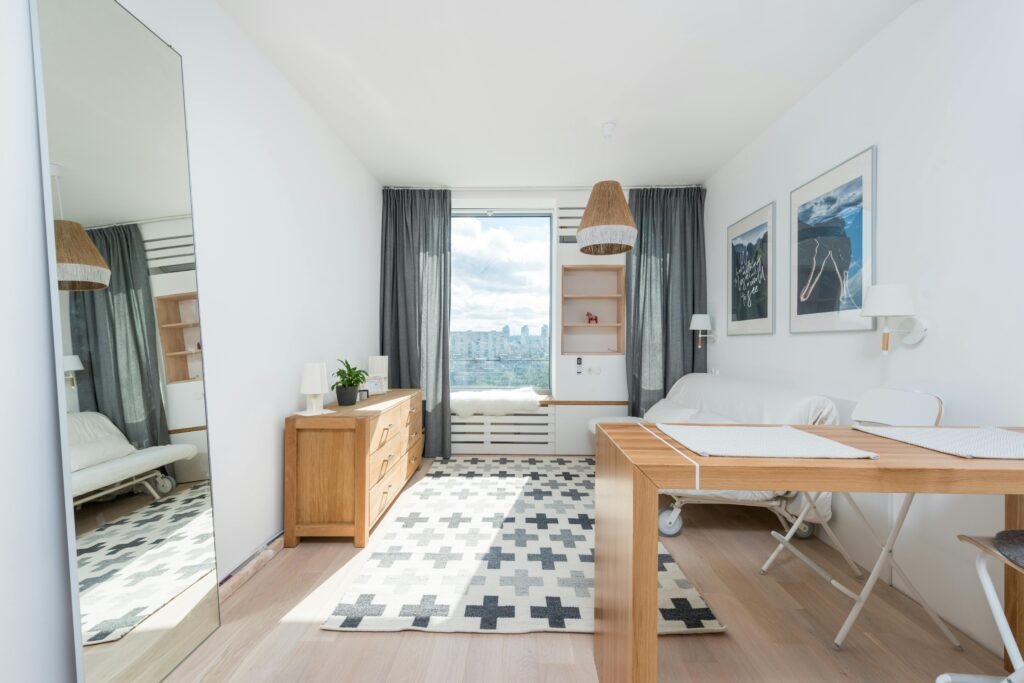
Light colours such as soft whites, pale greys, and pastel tones reflect more natural light, making a room feel larger and more open. These shades reduce the feeling of confinement, particularly in rooms with limited windows or low ceilings. Choosing a consistent light palette across walls and ceilings can create a seamless look that visually stretches the space.
Cool Colours Promote Airiness
Cool colours, including blues, greens, and muted purples, tend to recede visually, giving the impression of greater depth. Applying cool tones to walls in combination with light flooring and furniture can enhance the perception of space, creating a refreshing and calming atmosphere.
Monochromatic Schemes for Cohesion
Using variations of a single colour throughout the room creates a harmonious and cohesive look. Monochromatic schemes avoid abrupt visual breaks, making the space feel continuous and, therefore, more spacious. You can add interest through texture, patterns, or subtle colour accents rather than introducing contrasting shades.
Strategic Painting Techniques
Vertical Stripes for Height
Painting vertical stripes on walls is a simple yet effective way to make ceilings appear higher. This technique draws the eye upward, adding a sense of height and openness to the room. Choose subtle variations in colour to maintain a sophisticated and understated look.
Horizontal Lines for Width
Conversely, horizontal lines can make narrow rooms feel wider. A single feature wall with horizontal stripes or a subtle pattern can broaden the perception of the space without overwhelming it. Balance is key—avoid using overly bold or contrasting colours that might dominate the room.
Accent Walls for Depth
Introducing a feature or accent wall in a slightly darker or richer colour can add depth to a small room. Position the accent wall opposite windows or at the far end of the room to draw the eye and create the illusion of distance. This technique adds personality without making the room feel smaller.
Ceiling and Trim Considerations
Paint Ceilings Light
A light-coloured ceiling reflects more light, making the room feel taller and more open. White or soft pastel tones are ideal, especially in rooms with lower ceilings. Avoid dark ceiling colours, which tend to create a cocooning effect that can make the space feel confined.
Coordinated Trim
Painting skirting boards, window frames, and door trims in a complementary or slightly lighter colour than the walls can enhance continuity and prevent visual breaks. This subtle technique ensures that edges blend seamlessly, contributing to a more expansive feel.
Gloss and Sheen
Using satin or semi-gloss finishes on trim and ceilings can reflect light, subtly brightening the room. Walls in a matte finish reduce glare while still maintaining a polished, spacious appearance. Combining finishes strategically can enhance dimension and visual interest.
Lighting and Paint Interaction
Maximise Natural Light
Light and paint work together to influence perception. Position mirrors opposite windows to amplify natural light, and choose paint colours that reflect rather than absorb sunlight. Even a small room with minimal natural light can feel brighter and more open with reflective paint tones.
Artificial Lighting
Layered lighting, including ceiling lights, wall sconces, and lamps, complements paint choices to enhance the sense of space. Warmer or cooler lighting can emphasise specific colours, so consider testing paint samples under your room’s lighting conditions before committing.
Highlight Key Features
Using lighter tones near windows, mirrors, or open spaces draws attention outward, making the room feel larger. Conversely, slightly darker shades in corners or recessed areas can create contrast, adding depth and dimension without reducing perceived space.
Choosing the Right Paint Type
Low-VOC and Eco-Friendly Options
Opting for low-VOC or environmentally friendly paints not only promotes healthier indoor air quality but also ensures a smoother, cleaner finish. These paints are ideal for bedrooms, studies, and family spaces where air quality is particularly important.
High-Quality Paint for Longevity
Investing in quality paint ensures better coverage, durability, and colour vibrancy. High-quality paint requires fewer coats, reduces streaking, and maintains its appearance longer, particularly in small rooms where imperfections are more noticeable.
Primer for Flawless Finish
Using a primer helps cover existing colours or stains, ensuring that the topcoat appears even and true to colour. In small rooms, a smooth and consistent finish enhances the overall sense of spaciousness and polish.
Complementary Design Tips
Minimalist Approach
Clutter can make a small room feel cramped regardless of paint choices. Pair your painting strategy with minimalist furniture, clean lines, and thoughtful storage solutions to maximise perceived space.
Reflective Surfaces
Incorporating mirrors, glass tables, or glossy finishes can work alongside light paint colours to bounce light around the room. This technique increases brightness and reinforces the effect of more open space.
Consistent Flooring
Using a consistent flooring colour or material throughout the room enhances visual flow, preventing divisions that can make a small room feel segmented. Lighter tones on floors complement lighter wall colours, further enhancing spaciousness.
Conclusion
Interior painting is a powerful tool for transforming small rooms in Australian homes. By carefully selecting colours, applying strategic painting techniques, and considering lighting and finishes, you can make even the coziest spaces feel open, airy, and welcoming.
From light, reflective tones and cool colours to vertical stripes, accent walls, and coordinated trim, every decision affects how space is perceived. Complementing these painting strategies with thoughtful furniture placement, mirrors, and consistent flooring further enhances the effect.
Investing time in planning your paint colours and finishes ensures a long-lasting and visually appealing result. With the right approach, small rooms can become functional, stylish, and inviting, proving that even limited space doesn’t mean compromising on comfort or design.