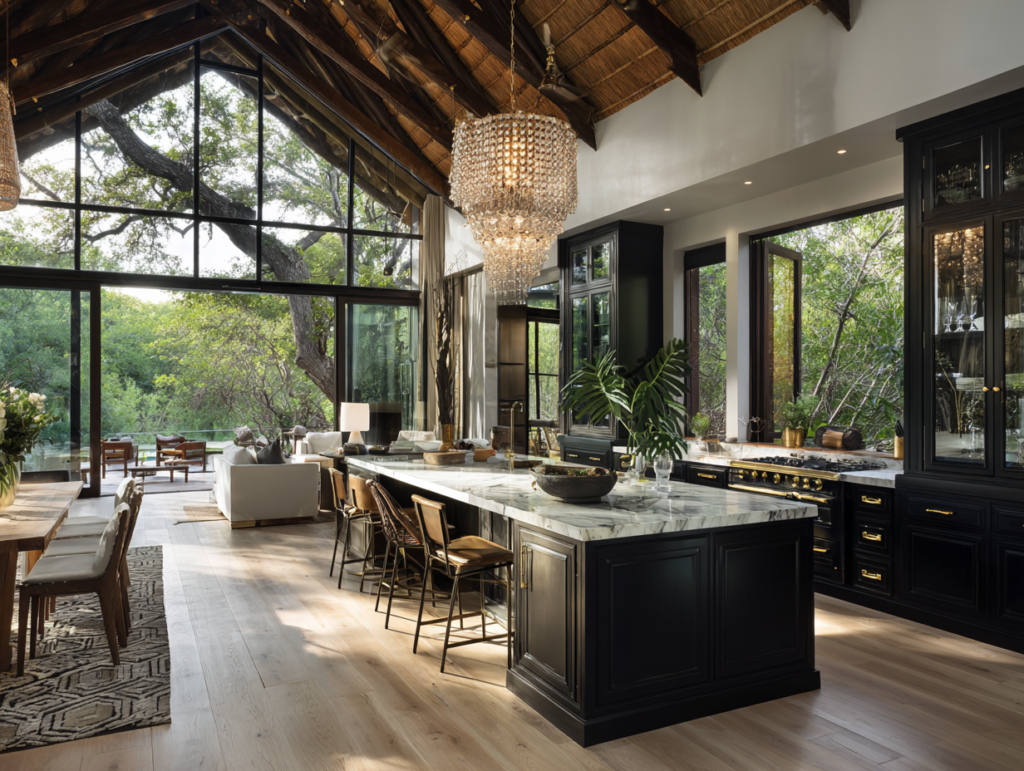
A black-and-white kitchen is more than just a color choice; it’s a timeless design philosophy.
The contrast between these two colors has the power to create a space that’s both stylish and functional. The clean lines, modern aesthetic, and classic appeal of a black and white kitchen can make a bold statement.
However, achieving the perfect balance between these two colors is crucial to ensuring that your kitchen doesn’t feel cold, overwhelming, or monotonous.
In this guide, we’ll take you through the essential steps to create the perfect black and white kitchen. From choosing the right base materials to accenting with textures and lighting, we’ll help you strike the ideal balance between these contrasting colors to create a harmonious, inviting kitchen.
1. Understanding the Power of Black and White
At its core, black and white is the epitome of simplicity and sophistication. Black is often associated with strength, elegance, and depth, while white represents purity, freshness, and openness.
When these two colors are combined, they create a timeless contrast that draws attention and creates a visual impact. However, it’s important to understand how to use both colors strategically to avoid overwhelming the space.
In a black-and-white kitchen, balance is key. Too much black can make the space feel cramped and heavy, while excessive white can leave the room feeling sterile and cold. The trick is to use these colors in a way that highlights the best qualities of each, while maintaining a sense of flow and warmth.
2. Start With the Base: Flooring and Cabinets
When you’re designing a black-and-white kitchen, the foundation of the space—specifically the flooring and cabinets—will set the tone. These two elements not only define the overall vibe of your kitchen, but they also influence how the rest of the colors and design choices will fit together.
Flooring
Your kitchen floor acts as the base canvas for your design. The right flooring choice can tie together your black and white kitchen and make it feel grounded. Here are some ideas:
- Black Floors: Opting for black floors can create a sleek, sophisticated look that adds depth and contrast to the space. Matte black tiles, for example, give a minimalist and modern feel, while glossy black tiles can add a touch of elegance. However, black floors can make the kitchen feel smaller and more enclosed, so this option works best in larger kitchens or when paired with plenty of light to counteract the darker tone.
- White Floors: If you’re looking to brighten up your kitchen, white floors are a great option. White floors can make the space feel larger and airier, reflecting light and opening up the room. However, white floors tend to show dirt, so you’ll need to be prepared for more regular cleaning. A whitewashed wood or light-colored tile can also bring warmth and texture to the space.
- Patterned Floors: Another way to balance the contrast is through patterned floors. Consider using black-and-white checkerboard or geometric tile patterns to add visual interest. This is a playful yet sophisticated way to embrace both colors without making the space feel too one-dimensional.
Cabinets
The cabinetry in your kitchen is arguably the most prominent feature, so it’s important to get it right. Whether you go with all black, all white, or a combination of both, your choice of cabinets will significantly impact the kitchen’s overall look.
- Black Cabinets: Black cabinets can add a sense of luxury and drama. They work particularly well in modern, industrial, or minimalist kitchens. Pair them with a light-colored countertop and backsplash to prevent the space from feeling too heavy. A sleek, matte black finish will add sophistication, while high-gloss black cabinets will bring a glossy, reflective quality to the kitchen.
- White Cabinets: White cabinets are a classic choice and help create a bright, open, and clean atmosphere. They make small kitchens feel larger and lighter. For a timeless look, pair white cabinets with black hardware for added contrast and elegance. White cabinets also provide the perfect backdrop for bold accent colors or intricate details.
- Two-Tone Cabinets: For a more dynamic design, you can combine both black and white in your cabinetry. For example, you could opt for black lower cabinets and white upper cabinets, or the reverse. This creates an interesting visual break while maintaining the contrast between the two colors. Alternatively, you could add subtle patterns, like black-and-white striped or patterned cabinet doors, to introduce texture and depth.
3. The Right Countertops and Backsplashes
When it comes to black-and-white kitchens, the countertops and backsplash are key to unifying the design. These surfaces tie together the cabinetry and flooring, and they also serve as functional workspaces.
Countertops
Choosing the right countertop is crucial to achieving the desired balance between black and white in your kitchen. Here are some ideas:
- White Countertops: White marble or quartz countertops with subtle veins are a beautiful way to integrate a bit of warmth into your kitchen while keeping the space light and airy. The natural veining in marble adds a touch of texture and elegance, making it a perfect companion for black cabinets. White countertops also pair well with contrasting black backsplashes, creating a stunning focal point.
- Black Countertops: If you prefer a more dramatic look, black granite or quartz countertops can add sophistication and elegance. These countertops work well in modern or industrial kitchens. Pair them with white cabinetry and backsplashes to create a striking contrast. Keep in mind that black countertops can show fingerprints and watermarks, so regular cleaning is essential.
- Mixed Countertops: Mixing black and white countertops can add dimension to the space. For example, pairing a white marble countertop with a black accent piece along the edge or on the kitchen island creates an exciting contrast. This adds visual interest without feeling too stark.
Backsplashes
The backsplash is a design element that provides an opportunity to play with color, texture, and pattern. Here are some ideas to bring balance to your black-and-white kitchen:
- White Subway Tiles: These classic tiles never go out of style. A white subway tile backsplash adds a clean, timeless feel to the kitchen. The simplicity of white tiles allows the other elements, like the cabinetry and countertops, to take center stage.
- Black Backsplashes: A black backsplash can make a bold statement in a predominantly white kitchen. Consider using matte black tiles, or go for something more dramatic like black marble with white veins. A black backsplash contrasts beautifully with white cabinets and countertops, providing a sleek, modern touch.
- Checkerboard Patterns: A black-and-white checkerboard backsplash can bring a playful, vintage feel to your kitchen. This pattern works particularly well in a transitional or eclectic design, where the combination of bold patterns and clean lines creates an interesting juxtaposition.
4. Incorporating Textures and Materials
To avoid a flat, monotone look, texture and material variety are essential in a black-and-white kitchen. Different materials can soften the contrast between black and white, bringing warmth and dimension to the space.
- Wood Accents: Integrating wood elements into a black-and-white kitchen introduces warmth and a natural feel. Wooden shelves, butcher block countertops, or a wooden island can help balance the cool tones of black and white. The natural grain of the wood adds texture and visual interest without overpowering the design.
- Stainless Steel Appliances: Stainless steel appliances are a perfect fit for black-and-white kitchens. The metallic sheen reflects light and complements both black and white tones, creating a polished, contemporary look. Stainless steel works especially well when paired with matte black cabinets and white countertops.
- Glass and Mirrors: Adding glass or mirrored finishes to your kitchen can brighten up the space and create an open, airy feel. Glass-fronted cabinets or mirrored light fixtures help reflect light and make the kitchen feel more expansive, adding a touch of sophistication.
5. Accentuating with Accessories
Now that you’ve set the foundation with your flooring, cabinetry, countertops, and backsplash, it’s time to accent the space with accessories. Thoughtfully selected accessories can add personality and style to your black-and-white kitchen without overwhelming it.
Lighting
Lighting plays a crucial role in a black-and-white kitchen. It helps to highlight the design elements and creates an inviting atmosphere.
- Pendant Lights: Black or white pendant lights work well over the kitchen island or dining table. Choose fixtures with sleek, minimalist designs that complement the modern aesthetic of a black-and-white kitchen. Opt for matte black, brushed gold, or chrome finishes to add an extra layer of contrast.
- Under-Cabinet Lighting: Under-cabinet lighting is a great way to brighten up the space. LED strip lights installed beneath your cabinets will illuminate your countertops and backsplash, enhancing the contrast between black and white. This creates a sleek, modern look while improving functionality.
Decorative Items
Small accessories like plants, artwork, and textiles can help bring life to your kitchen.
- Artwork: Framed black-and-white photography or modern art can help tie together the color scheme. Choose simple, abstract pieces or vintage black-and-white prints to complement the overall design.
- Textiles: Black and white dish towels, rugs, or even black-and-white striped curtains can bring a sense of coziness to the kitchen. These accessories add texture and pattern without disrupting the overall balance.
- Plants: Plants add a refreshing touch of greenery to the space. Consider placing plants in black or white pots to maintain the color scheme while introducing some natural elements. Plants will add life to your kitchen while softening the sharp contrast of black and white.
6. Embrace the Minimalist Approach
In a black-and-white kitchen, less is often more. To avoid a cluttered look, keep surfaces clear and embrace a minimalist aesthetic. Choose simple, clean lines and avoid over-accessorizing. By focusing on quality over quantity, you’ll create a balanced and serene space.
7. Experiment with Accent Colors
While black and white are the main colors in the design, adding a touch of color can add depth and personality to the space. Metallic accents like gold, brass, or silver can provide a luxurious touch, while soft pastels or rich jewel tones can create contrast and warmth.
Accents can come in the form of light fixtures, hardware, or even colorful artwork. Just be sure to use accent colors sparingly so they don’t overpower the black-and-white foundation of the space.
Conclusion
Creating a balanced black and white kitchen is all about using contrast thoughtfully. By carefully selecting your flooring, cabinets, countertops, and accessories, you can craft a kitchen that feels stylish, sophisticated, and inviting.
Remember, the key to a successful black-and-white kitchen is balance—too much of either color can create visual chaos. With the right mix of black and white, along with carefully chosen textures and accents, you can create a space that feels both modern and timeless.
By following these tips, you’ll be well on your way to mastering the art of balance and achieving the perfect black-and-white kitchen.