A truly well-designed home feels as good as it looks — calm, comfortable and fresh. When poor ventilation traps humidity indoors, it can damage your interiors and create a stuffy, unhealthy environment. The solution isn’t to compromise your aesthetic with bulky hardware. Instead, learn how sophisticated, modern ventilation systems can preserve your design, protect your health and ensure your home is the sanctuary it was meant to be.
Humidity’s Attack on Your Home’s Interiors

Humidity should not be an afterthought in interior design because trapped moisture can cause visible damage to furniture and walls.
Materials and surfaces may unevenly expand and contract as humidity levels shift. For instance, wood is porous, allowing it to easily absorb moisture from the air and swell. When the humidity lowers, this moisture is released, causing the wood to shrink. As a result, the wood used in your flooring, trim and furniture may warp. Humidity can also cause paint, finishes or wallpapers to bubble and peel.
Poor air quality also poses health implications. High humidity can make dust more prone to sticking to surfaces, creating a breeding ground for dust mites. Additionally, dark spots or musty odors in high-moisture areas indicate potential mold or mildew growth within the home.
How to Beautifully Ventilate Your Home

Effective ventilation is an investment that helps maintain healthy oxygen levels and reduces the buildup of pollutants or allergens. Fortunately, it no longer requires loud, unattractive exhaust fans. Discreet systems can reduce humidity while suiting modern interior design. Consider these practical, aesthetic-focused solutions.
Whole-Home Systems
Modern whole-home ventilation systems are compact and can be easily integrated into existing HVAC systems, minimizing the need for additional ductwork. When you conceal your system within your home’s walls and ceilings, it doesn’t compromise your aesthetics.
Homeowners can obtain fresh, filtered air by using energy recovery ventilators, which manage both heat and moisture in humid climates and reduce the load on your AC unit, or heat recovery ventilators, which transfer heat in colder, drier climates. Both whole-home systems require regular filter replacements to effectively trap allergens and pollutants.
Kitchen and Bath Specifics
The kitchen and bathroom are especially prone to excess moisture, sometimes requiring specialized humidity control. In the kitchen, consider ceiling-cassette vents that sit flush with the ceiling or robust downdraft systems that mechanically rise from countertops. Popular options for bathroom ventilation include in-line fans, recessed fans and flush-mount grilles.
Some ventilation systems come with smart features for improved humidity monitoring and control. For example, a fan could automatically turn on when you’re cooking or taking a shower.
Architectural Elements
Strategically placed operable windows and transoms can support natural airflow in a house, reducing stuffiness and moisture buildup. Open floor plans and fans also facilitate air circulation. During warmer months, your ceiling fans should rotate counterclockwise to create a downward breeze and evaporate moisture.
Other Ventilation Solutions
Consider these supplemental methods of improving home ventilation:
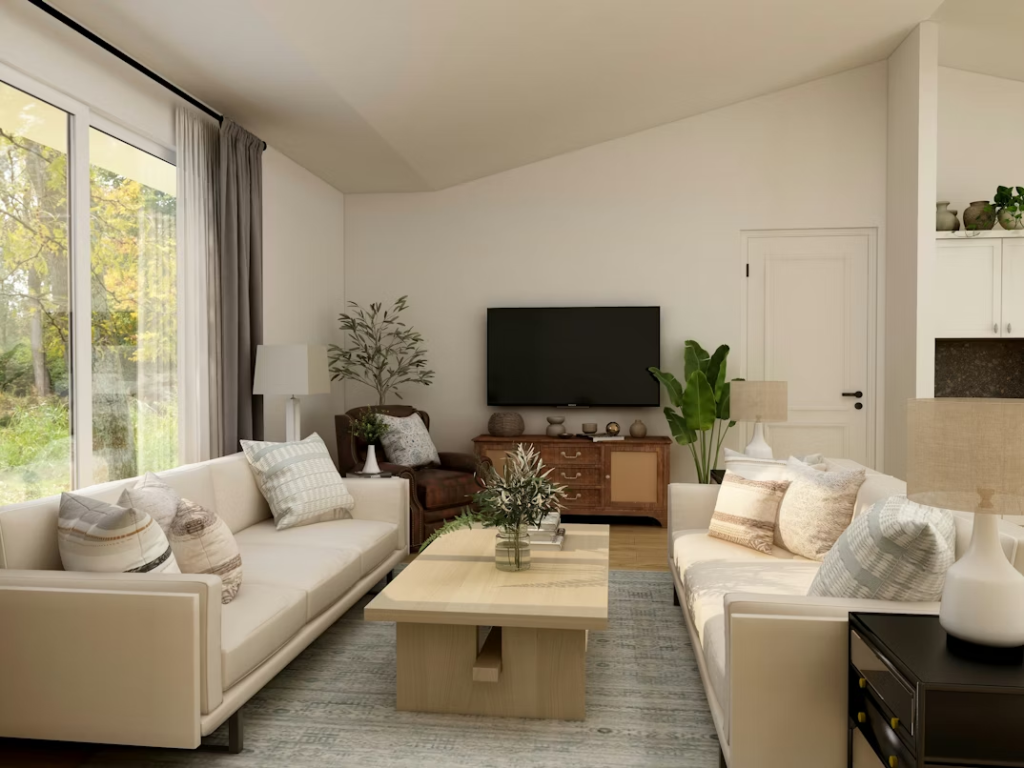
- Strategic vegetation: Incorporate indoor plants into your interior design. Snakeplants, peace lilies and many other varieties can improve air purity by absorbing CO2 and airborne pollutants.
- Furniture placement: Place large furniture away from windows or vents to keep them from blocking natural airflow.
- Fabric choices: Opt for lightweight fabrics, such as cotton or linen. These don’t trap as much heat or moisture, making them suitable for curtains and upholstery in hot or humid homes.
Protect and Elevate Your Home
Humidity control is crucial in design longevity and home comfort. Although poor ventilation can damage interiors, modern ventilation systems have become a stylish and practical element of well-designed homes. With proper system choices and effective, natural approaches, you create a space that looks and feels great.