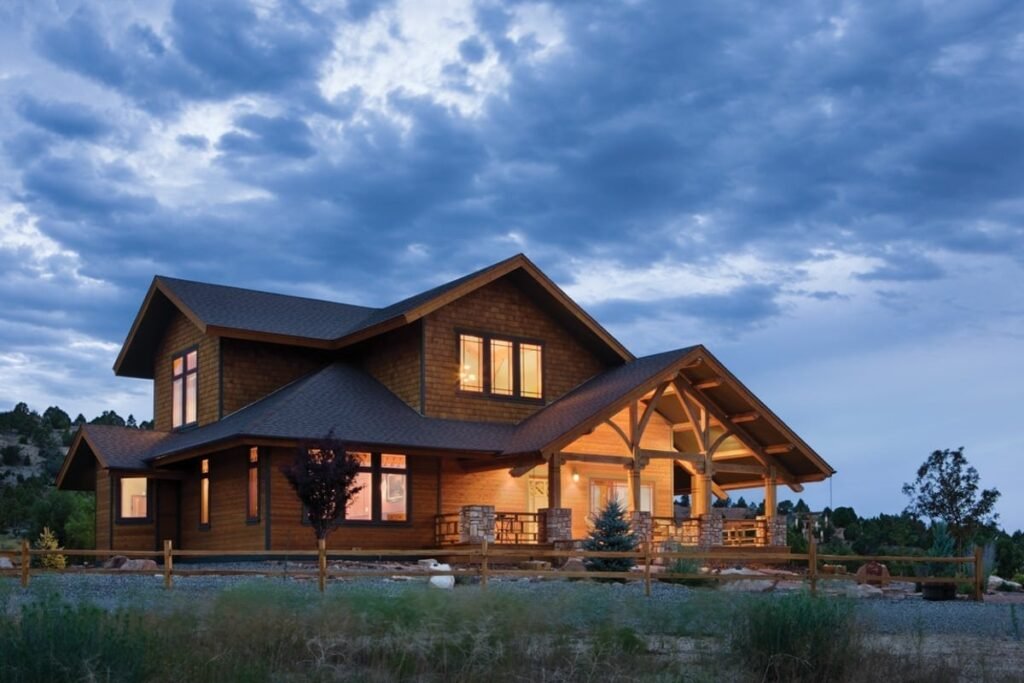
Choosing building materials for outdoor spaces is about more than achieving instant beauty. True lasting value comes from how materials respond to years of sun, rain, wind, freeze and thaw, and everyday life. For many discerning homeowners, longevity is a priority. The goal is outdoor spaces that look authentic, feel connected to the environment, and age with integrity rather than fading, staining, or needing frequent replacement. Thoughtful material selection helps achieve this enduring quality.
When you think about the lifespan of exterior materials it helps to imagine them as participants in an ongoing conversation with their surroundings. Natural materials like wood and stone evolve visually over time. Some wood species deepen in color and develop a rich patina that enhances architecture. Other woods may require protective coatings or regular upkeep to stave off splintering or warping in harsh climates. Stone often stands up to the elements with grace but can vary widely in response depending on its density and texture. Even engineered materials like concrete and brick have their own character. Concrete may show hairline cracks and subtle surface changes that reflect years of exposure while brick can maintain color stability but often reveals aged mortar long before the brick itself shows wear.
Understanding how climate influences material performance is essential. Materials that fare beautifully in mild temperate zones may require additional treatment in coastal salt air or regions that experience wide temperature swings. Homeowners should consider how sunlight exposure in different orientations will affect fading and surface degradation. Wind-blown debris and moisture cycles can influence the choice of finish and fasteners. It makes sense to consult with professionals who can anticipate these environmental interactions and guide material choices accordingly.
Predictable aging does not mean static appearance. A material with a well-planned patina is one that develops a natural surface quality over time without uneven blotches or premature breakdown. This quality is especially prized in custom home projects where character and durability go hand in hand. Thoughtful detailing around transitions between materials prevents unsightly wear and allows materials to perform as expected for decades.
Maintenance expectations should factor into early planning discussions. Materials like wood and timber offer unmatched warmth and architectural interest but come with maintenance considerations such as sealing and inspection. Less demanding materials might be selected for areas with less visual emphasis to balance the maintenance load. Architects and builders often create a hierarchy of materials so that higher maintenance elements are positioned where they can be easily accessed and cared for.
Pairing materials intentionally elevates resilience. Combining softer organic materials with more robust masonry or metal elements can create a harmonious outdoor space that stands up to the rigors of time. The interplay between form and function results in environments that feel alive and timeless.
Selecting the right materials sets the foundation for spaces that mature beautifully and remain inviting for years to come.
For insights into choosing materials for outdoor spaces that stand the test of time, explore the companion guide from Riverbend Timber Framing, makers of timber frame homes in Colorado.