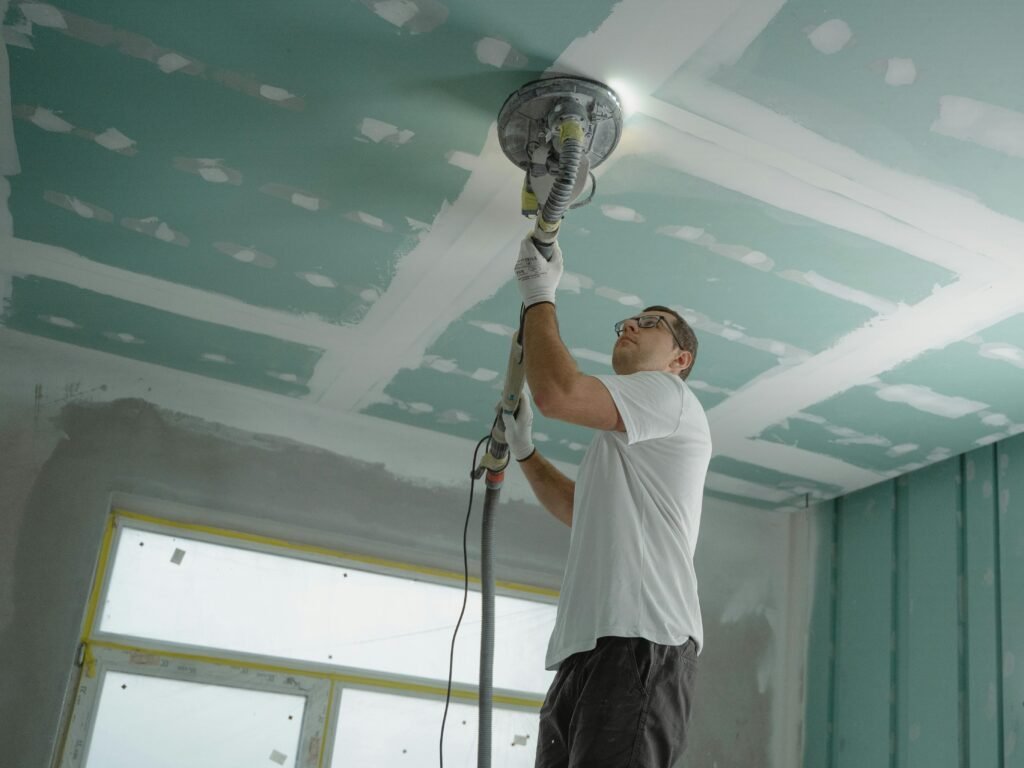
Construction projects often involve cutting, drilling, or coring through concrete structures. While concrete is durable and strong, it can also conceal hidden hazards such as electrical conduits, plumbing pipes, steel reinforcement, and voids. Accidentally hitting these hidden elements can lead to costly damage, project delays, injuries, or even legal liabilities. This is why concrete scanning has become an essential practice for builders, contractors, and engineers across Australia. By locating these hazards before work begins, construction teams can work safely, efficiently, and with confidence.
What Is Concrete Scanning?
Concrete scanning, or Dial Before You Dig in NSW sometimes referred to as non-destructive testing or concrete mapping, is the process of using advanced technology to detect and locate objects within concrete structures. Scanning can identify steel reinforcement (rebar), post-tension cables, electrical conduits, plumbing, and even voids or honeycombing. This information allows construction teams to plan drilling, cutting, and coring without risking structural damage or personal injury.
Common Technologies Used
Ground-Penetrating Radar (GPR)
GPR is one of the most widely used concrete scanning technologies. It works by emitting radar waves into the concrete and detecting reflections from embedded objects. GPR provides detailed images of the concrete’s internal structure, allowing teams to pinpoint the location, depth, and size of hazards.
X-Ray Imaging
X-ray imaging is another method used for concrete inspection, particularly in high-risk or complex structures. X-rays provide highly accurate detection of metallic objects within concrete. While effective, this method often requires safety precautions due to radiation exposure.
Electromagnetic Scanning
Electromagnetic scanning can detect metallic elements such as rebar and conduit by measuring disturbances in electromagnetic fields. This technique is particularly useful for identifying densely packed reinforcement in thick concrete slabs.
Why Concrete Scanning Is Essential
Ensures Safety
The primary reason for concrete scanning is safety. Cutting into a live electrical conduit or severing a post-tension cable can result in serious injury or even fatalities. Locating these hazards beforehand allows builders to take protective measures, reducing the risk of accidents on site.
Prevents Structural Damage
Concrete often houses rebar or post-tension cables that are critical to the building’s structural integrity. Accidental cutting or drilling through these elements can compromise structural stability, leading to costly repairs, project delays, or potential legal ramifications.
Saves Time and Money
Unplanned strikes on hidden elements can halt construction, requiring costly remediation. Concrete scanning helps identify obstacles before work begins, allowing for accurate planning and efficient workflow. Avoiding mistakes reduces the likelihood of unexpected expenses and keeps projects on schedule.
Compliance with Regulations
Australian building codes and occupational health and safety regulations often require hazard identification before cutting or coring concrete. Concrete scanning ensures compliance with these regulations, protecting both the construction company and its workers from legal liabilities.
Situations Where Concrete Scanning Is Critical
Renovations and Retrofits
Older buildings may contain unknown plumbing, electrical wiring, or reinforcement that was not documented in original plans. Renovation projects often involve drilling into walls, floors, or ceilings, making scanning essential to avoid hidden hazards.
Post-Tensioned Slabs
Post-tensioned concrete slabs contain high-tension steel cables that must not be cut or damaged. Concrete scanning accurately maps cable locations, preventing dangerous mistakes that could compromise the slab’s integrity or lead to accidents.
High-Rise and Commercial Buildings
In commercial and high-rise construction, dense concrete structures with extensive reinforcement are common. Concrete scanning provides precise mapping of rebar, conduits, and voids, allowing safe drilling, coring, and structural modifications.
Demolition Projects
Before demolition, scanning concrete structures helps identify hazards such as electrical wiring, plumbing, or structural reinforcement. This ensures safe removal of materials and prevents injury or accidental damage.
Benefits Beyond Safety
Improved Planning and Workflow
Knowing the exact location of embedded objects allows construction teams to plan cutting, drilling, or coring operations more efficiently. This reduces downtime, minimises rework, and ensures tasks are completed accurately the first time.
Protects Equipment
Cutting into hidden metal or cables can damage expensive machinery, leading to repair or replacement costs. Concrete scanning reduces the risk of equipment damage by identifying hazards before work begins.
Reduces Stress for Workers
Knowing that potential hazards have been identified and mapped creates a safer and less stressful work environment. Workers can focus on their tasks without the constant concern of accidentally striking hidden elements.
Documentation for Future Projects
Concrete scanning produces detailed reports and maps that can be stored for future reference. This documentation is valuable for ongoing maintenance, renovations, or further construction work, ensuring long-term safety and efficiency.
Choosing a Concrete Scanning Service
Experience and Certification
Select a scanning company with experienced technicians and proper certifications. Look for providers trained in GPR, electromagnetic scanning, and safety compliance. Certified operators ensure accurate results and adherence to industry standards.
Quality of Equipment
Modern scanning equipment produces higher-resolution images and more accurate detection. Ensure the provider uses up-to-date technology suitable for the specific project and concrete thickness.
Reporting and Analysis
A reliable scanning service will provide detailed reports and visual maps of all detected elements. These reports should include locations, depths, and dimensions of hazards, helping construction teams make informed decisions.
Project Scope Understanding
Choose a provider that understands the specific requirements of your project, including building type, slab thickness, and type of concrete. This ensures that the scanning method chosen is appropriate and effective.
Conclusion
Concrete scanning is no longer an optional step in modern construction—it is a critical practice for safety, efficiency, and compliance. By detecting hidden hazards such as rebar, post-tension cables, plumbing, and electrical conduits, builders can avoid accidents, structural damage, and costly delays. Whether for renovations, post-tensioned slabs, high-rise developments, or demolition projects, scanning ensures informed planning and a safer work environment.
Investing in professional concrete scanning provides peace of mind, protects workers and equipment, and contributes to the overall success of a construction project. With detailed reports and accurate mapping, construction teams can execute their tasks confidently, reduce risks, and complete projects on time and within budget. Every builder in Australia should consider concrete scanning an essential component of modern construction practices, combining safety, precision, and efficiency for optimal results.