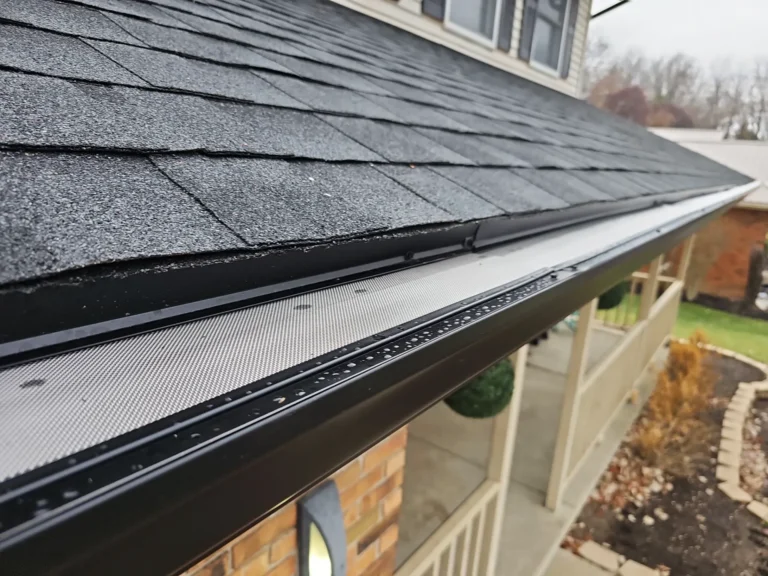
Roofs in Ohio deal with major temperature changes and frequent storms that can affect how materials perform and how well a replacement lasts. The best time for installation is during warm, dry periods when shingles and adhesives can seal correctly and crews can work longer hours. Cold or damp conditions increase the chance of poor sealing, stiff shingles, and later repair problems.
Homeowners planning a roof replacement should consider weather patterns, contractor schedules, and material delivery timelines. Booking early in the year helps avoid higher costs, limited material availability, and schedule conflicts. Selecting the right month, materials, and installation plan improves roof performance, work efficiency, and long-term resistance to seasonal wear.
Seasonal Factors That Drive Timing
In Ohio, the best months for roof replacement are generally from mid-May through early October. During this time, temperatures stay high enough for shingles to remain flexible and sealants to cure correctly. Contractors also report fewer weather delays and better material adhesion, which lowers the chance of early leaks or repairs. Local frost dates and long rainy stretches should always be checked before final scheduling.
A Columbus roofing company familiar with regional weather cycles can recommend the most stable installation windows and manage scheduling around local climate patterns. Starting early in the season makes it easier to secure preferred crews and special materials, such as impact-resistant shingles or metal panels that may take weeks to arrive. Late-summer or early-fall projects benefit from mild temperatures and dry roof decks, which help achieve reliable sealing and reduce weather-related interruptions.
Material Performance Across Weather Cycles
Modern roofing materials respond differently to Ohio’s temperature swings. Impact-rated asphalt shingles remain flexible in cooler weather, preventing edge cracking and early granule loss. Metal panels perform well through heating and cooling cycles when installed with clips and fasteners that permit controlled movement. Quality underlayments block moisture and protect adhesives and flashings from humidity.
Manufacturers specify installation temperature ranges to protect warranties. Using correct sealants and keeping surfaces dry prevents bond failures. Homeowners should confirm that flashing, fasteners, and adhesives suit local temperature conditions. Careful material selection and dry-weather installation strengthen roof performance and lower the risk of early maintenance.
Contractor Scheduling and Crew Efficiency
Effective project scheduling depends on clear planning and favorable weather. Longer daylight hours allow full workdays, improving alignment and sealing quality. Booking dates early increases the chance of securing experienced crews and coordinating deliveries and inspections. When materials and equipment arrive on time, crews work efficiently without repeated setup.
Homeowners should confirm that the contractor assigns a steady team leader and provides a clear daily plan. Communication before the start date avoids confusion about timing, access, or cleanup. Including one weather-contingency day maintains progress. Structured scheduling, timely deliveries, and stable crew assignments support faster completion and reduce mid-project interruptions.
Cost and Supply Chain Considerations
Material prices and availability in Columbus often change by season. Before the busy summer period, suppliers may raise prices and limit stock on popular shingles, underlayments, and flashing. Ordering early reduces price risk and avoids delays. Getting multiple supplier quotes also helps compare delivery timelines and cost differences.
Homeowners planning upgrades—such as better ventilation, new drip edges, or stronger underlayments—can save money by combining them under one project contract. Doing so reduces per-item labor costs, simplifies permit handling, and keeps the inspection process efficient. Asking contractors for current lead times and written cost estimates helps prevent surprises and keeps the project on schedule from ordering through final inspection.
Optimal Conditions for Long-Term Durability
Scheduling roof work during the right temperature range improves sealing and prevents early shingle lifting. Most adhesives and shingles cure best between 50°F and 85°F. Working on a completely dry roof deck prevents trapped moisture and future decay. Using vapor-resistant underlayments also protects the structure from humidity.
Good ventilation in the attic and ridge areas keeps temperatures balanced and reduces heat buildup that can shorten material life. Contractors should verify that ridge and soffit vents are open, flashings are sealed, and fasteners are correctly installed. A short inspection six to twelve months after completion helps confirm proper settling and keeps warranty records valid for long-term durability and weather resistance.
Proper timing for replacements in Ohio supports longer material life and stronger installation results. The period from mid-May to early October provides the best balance of temperature and daylight for correct sealing. Ordering key materials before peak season stabilizes pricing and prevents supply shortages. Combining upgrades such as ventilation or underlayment improvements saves labor time and reduces inspection delays. Confirming temperature requirements, aligning delivery schedules, and setting clear workdays all help achieve consistent quality. Following these practical steps gives homeowners stronger roof performance, improved weather protection, and fewer long-term maintenance issues while maintaining cost stability and warranty compliance.