Cooling Comfort Without the Price Tag
Anyone who’s stepped from a sunbaked driveway into the shade of a tree knows the difference instantly. That simple shift in temperature is more than a comfort—it’s a saving. For homeowners and renters alike, trees play an underrated role in keeping living spaces cooler during Australia’s hot summers. Less direct heat on walls, roofs, and windows means less reliance on air conditioning, and in turn, lower electricity bills.
How Trees Naturally Cool Homes
Trees cool in two ways. First, their canopies act as a shield, blocking harsh sunlight before it hits a house. A well-placed tree can reduce the temperature of external walls by several degrees, keeping interiors noticeably cooler. Second, through a process called transpiration, trees release moisture into the air, creating a cooling effect in the immediate area.
This combination helps break down the “urban heat island” effect, common in suburbs where concrete and asphalt soak up and radiate heat long into the evening. By introducing greenery, households benefit from both shade and a naturally moderated microclimate.
Savings That Add Up
Energy bills are one of the biggest household costs, and cooling accounts for a major share in summer. Strategic tree placement can cut this demand significantly. A tree shading the western side of a home, for example, can reduce late-afternoon heat, which is when air conditioning usually works its hardest. Over time, the savings can be substantial—not just in money, but in reduced wear and tear on cooling appliances.
Renters Benefit Too
It’s easy to assume that only homeowners reap the rewards of shade, but renters benefit as well. A shaded property feels more comfortable, which means less need for portable air conditioners or fans running overnight. Cooler homes are also more appealing, and landlords often find that properties with established greenery attract tenants faster and at better rental prices.
For renters who can’t plant long-term trees, potted greenery and temporary shade solutions still make a noticeable difference, especially in smaller courtyards or balconies.
Trees as Privacy Screens
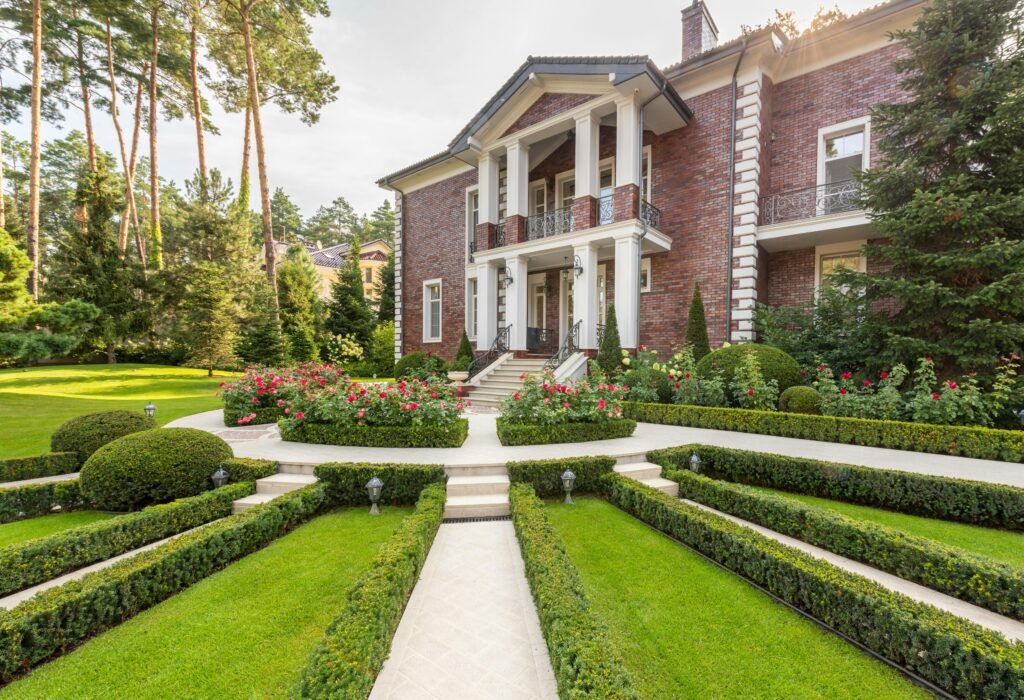
The cooling benefits of trees go hand in hand with another perk: privacy. A leafy tree or hedge near a boundary can block direct views into windows, allowing households to enjoy both cooler interiors and a greater sense of seclusion. For many, this dual function adds to the value of maintaining greenery around the home.
Balancing Shade With Safety
As useful as they are, trees aren’t maintenance-free. Overgrown branches can block too much light, interfere with roofs or power lines, or become hazardous during storms. Regular pruning ensures trees continue to provide shade without creating risks. In some cases, households rely on services such as Tree Lopping in Gold Coast to manage growth safely and professionally. The goal isn’t to strip trees back but to keep them healthy, well-shaped, and effective in delivering cooling benefits.
The Environmental Edge
Cooling homes naturally also means reducing reliance on electricity, much of which is still generated from fossil fuels. By lowering energy use, households cut their carbon footprint. Multiply this by thousands of homes across a suburb, and the environmental gains become significant. Beyond bills and comfort, trees are a community-wide climate solution.
Choosing the Right Trees
Not all trees provide the same benefits. Fast-growing deciduous species are ideal for areas where you want summer shade but winter sun, as they drop leaves in the cooler months. Evergreen trees are better for year-round privacy screens, though their placement needs careful consideration to avoid blocking too much light. Native species are often the most resilient and sustainable choice, thriving in local conditions while supporting biodiversity.
A Long-Term Investment
Unlike installing an air conditioner, trees take time to deliver their full value. A sapling planted today may take several years before it casts meaningful shade. But that patience pays off, both in financial savings and in the added appeal of a greener, more comfortable property. Many households view tree planting as an investment that benefits not just them, but future residents as well.
Final Thoughts
Shade isn’t just a relief on a hot day—it’s a practical and cost-saving feature that trees bring to our homes. By reducing reliance on cooling systems, they lower bills, protect household comfort, and contribute to a healthier environment. With regular care, including professional support like Tree Lopping in Gold Coast, trees remain an asset that grows in value year after year. For both homeowners and renters, the shade dividend is a reminder that sometimes the simplest solutions are also the smartest.