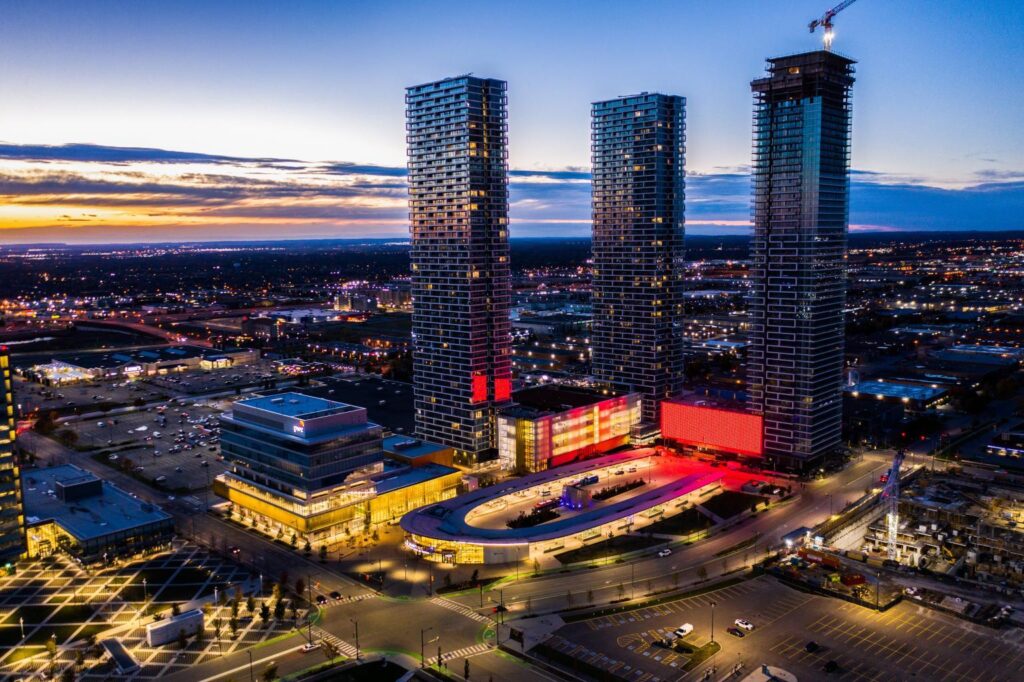
As urban density continues to rise, the risk of nuisance disputes in multi-unit developments increases. High-density housing projects often involve shared infrastructure, limited outdoor space, and overlapping property rights, which can lead to conflicts between owners, tenants, and developers. These disputes can range from excessive noise and odors to encroachment and improper waste disposal, all of which can undermine property values and strain community relations.
Those seeking modern housing in fast-growing urban regions are increasingly looking toward professionally managed developments that implement effective legal frameworks. For renters exploring options such as rent townhouses in Vaughan, understanding how nuisance prevention is handled within a community can be an important factor in assessing long-term comfort and investment stability.
Defining Nuisance in Property Law
In legal terms, a nuisance is an act that unlawfully interferes with another person’s enjoyment of their property. Common law divides nuisance into two categories: public and private. Public nuisance affects the general public or a community, while private nuisance involves interference between individual property owners. High-density projects often blur these distinctions since shared walls, common areas, and centralized systems can amplify the effects of a single resident’s or business’s actions.
Municipal bylaws, environmental regulations, and noise control statutes supplement common law principles. Developers and property managers must ensure their projects align with both statutory obligations and the expectations of surrounding communities. Failure to do so can result in enforcement actions, fines, or reputational harm.
Developer and Municipal Responsibilities
Developers bear a significant responsibility for minimizing potential nuisance sources during planning and construction. This includes ensuring proper sound insulation, waste management systems, and air circulation designs. In many jurisdictions, development approvals are contingent upon environmental impact assessments and community consultation reports that address nuisance risks.
Municipalities also play a role by setting zoning standards and requiring developers to meet certain environmental and design benchmarks. Zoning bylaws may restrict the placement of noise-generating facilities, specify setbacks, and mandate landscaping buffers to reduce potential conflict between residential and commercial uses.
Role of Condominium and Strata Governance
In condominium or strata-titled properties, nuisance prevention is embedded within the declaration, bylaws, and rules of the corporation. These documents empower boards to enforce behavioral standards, impose fines, and mediate disputes. The legal framework provides residents with recourse when issues arise while protecting the community’s collective interest.
However, enforcing nuisance-related bylaws can be complex. Boards must balance fairness and due process with the need to act swiftly. Courts generally uphold restrictions if they are reasonable and proportionate to the harm being addressed. Increasingly, dispute resolution is shifting toward arbitration and mediation to reduce litigation costs and preserve community harmony.
Environmental and Health-Based Nuisances
Beyond interpersonal conflicts, modern nuisance law increasingly incorporates environmental and health considerations. Odor emissions, air quality, and stormwater runoff have become recurring issues in dense developments. Property owners and managers must adhere to provincial environmental regulations and building code standards designed to mitigate these impacts.
For example, failure to maintain HVAC or waste systems can lead to mold growth or pest infestations, which may be classified as actionable nuisances. Municipal inspectors can issue orders requiring remediation, and residents may pursue claims if the problem persists. Developers are therefore incentivized to adopt proactive maintenance schedules and ensure that shared systems meet regulatory performance thresholds.
Legal Remedies and Risk Mitigation
When nuisance claims arise, affected parties may seek injunctions, damages, or abatement orders. Developers and property managers can mitigate these risks through well-drafted covenants and indemnification clauses within purchase or lease agreements. These provisions define responsibilities for noise control, waste disposal, and maintenance, minimizing ambiguity in enforcement.
Insurance coverage also plays a crucial role. Some commercial liability policies include limited protection against nuisance-related claims, though exclusions often apply. Legal advisors recommend comprehensive policy reviews to confirm coverage for issues arising from construction defects or operational negligence.
Policy and Market Outlook
As density-driven projects continue to shape modern urban landscapes, nuisance prevention will remain an integral aspect of real estate governance. Policymakers are emphasizing collaborative frameworks that combine legal enforcement with urban design solutions. Emerging best practices include acoustic zoning, green buffers, and smart ventilation systems that reduce noise and air pollutants.
For investors and residents, understanding these legal safeguards is vital. Communities that proactively manage nuisance risks not only preserve livability but also sustain long-term property value. As municipalities refine regulations to balance growth and quality of life, high-density housing will depend increasingly on well-defined, enforceable legal tools to prevent nuisance and protect residents’ rights.